
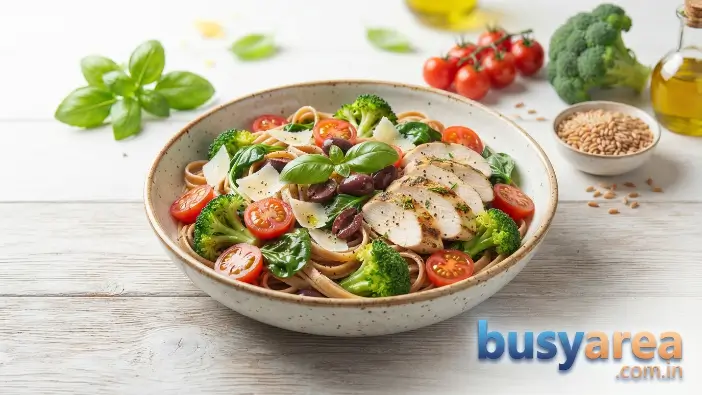
Welcome to Busy Area. If you’ve ever wondered is pasta good for health, the answer depends on the type of pasta you eat, your portion size, and how you prepare it. Pasta is a popular food that provides carbohydrates for energy. Although some people avoid it because they associate carbohydrates with weight gain, pasta can be part of a healthy diet when eaten in moderation.
Pasta provides complex carbohydrates that fuel the body. Whole wheat pasta can offer more fiber than refined pasta, while high-protein pasta can help increase protein intake. Combining pasta with vegetables, lean protein, and healthy ingredients can make it a nutritious meal. Understanding is pasta good for health helps you make informed food choices and enjoy pasta as part of a balanced diet.
Is Pasta Good for Health?
Yes, pasta can be healthy when eaten in appropriate portions and prepared with nutritious ingredients. It provides carbohydrates for energy and contains some protein. Whole wheat pasta generally offers more fiber than refined pasta, which can support digestion and help you feel full for longer. Choosing suitable portions and adding vegetables and lean protein can make pasta a nutritious part of your daily diet.
What Makes Pasta Nutritious?
Pasta provides carbohydrates and other nutrients that contribute to a balanced diet. Its nutritional value depends on the ingredients, processing method, and variety you choose. Both refined and whole wheat pasta can fit into a healthy eating pattern when consumed in reasonable portions.
Nutritional Value of Pasta
Pasta is primarily a source of carbohydrates, which provide energy for everyday activities. A typical serving of cooked pasta contains approximately 200 calories, depending on the type and serving size. It also supplies some protein, while most traditional pasta varieties contain little fat. Enriched pasta may provide additional vitamins and minerals, including B vitamins and iron.
Whole wheat pasta contains more fiber than refined pasta. Fiber supports digestion and helps maintain fullness after meals. Pasta can also provide nutrients that contribute to normal energy production and body functions. Pairing it with vegetables, lean protein, and healthy fats improves the nutritional balance of your meal.
Refined vs Whole Wheat Pasta
The main difference between refined pasta and whole wheat pasta is their fiber and nutrient content. Refined pasta is made from processed wheat flour, which loses much of its natural fiber during manufacturing. Whole wheat pasta uses the entire grain and generally provides more fiber and certain minerals. Both varieties contain carbohydrates and can be included in a balanced diet.
| Feature | Refined Pasta | Whole Wheat Pasta |
| Processing | Made from refined wheat flour | Made from the entire wheat grain |
| Calories | Similar | Similar |
| Carbohydrates | High | High |
| Fiber | Low | High |
| Protein | Moderate | Slightly Higher |
| Vitamins | Often enriched | Contains naturally occurring vitamins |
| Minerals | May be enriched with iron and B vitamins | Contains minerals such as iron and magnesium |
| Satiety | Moderate | May provide greater fullness due to fiber |
| Best For | General meals | Increasing whole-grain and fiber intake |
Health Benefits of Pasta
Pasta can contribute to a healthy diet when consumed in moderate portions and combined with nutritious ingredients. Its complex carbohydrates provide energy, while whole wheat varieties supply additional fiber. Choosing balanced toppings and sauces can improve the nutritional value of pasta meals.
- Pasta provides carbohydrates that supply energy for daily activities.
- Whole wheat pasta contains fiber that supports digestion and regular bowel movements.
- Fiber-rich pasta may help you feel full for longer and support weight management.
- Pasta can be part of a heart-conscious diet when served with vegetables, legumes, olive oil, and lean protein.
- Enriched pasta provides B vitamins that help the body convert food into energy.
- Iron in enriched pasta supports red blood cell production and oxygen transport.
- Whole-grain pasta provides fiber and minerals that contribute to a balanced diet.
- Pasta can fit into the Mediterranean diet when combined with vegetables, legumes, seafood, and healthy fats.
- Pairing pasta with lean protein and vegetables creates a balanced meal containing carbohydrates, protein, fiber, and essential nutrients.
Read Also: is soya chunks good for health
Is Pasta Good for Weight Loss?
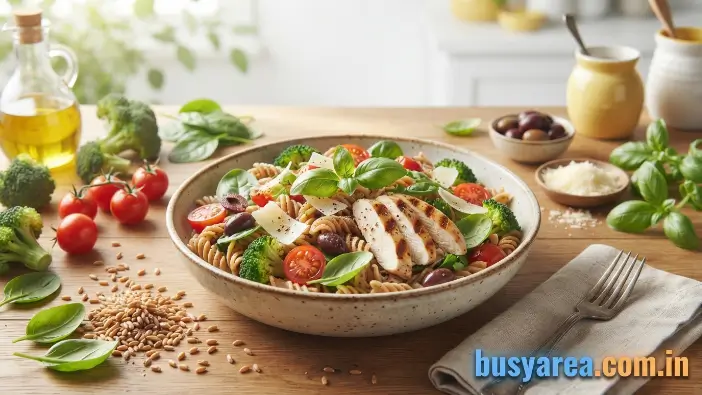
Many people believe they must stop eating pasta to lose weight, but pasta can fit into a healthy diet. Whether pasta is good for health depends on portion size, ingredients, and preparation methods. Choosing whole wheat pasta, adding protein, and including vegetables can make meals more filling and nutritious.
Portion Size Matters
Eating large portions of pasta can increase calorie intake. A moderate serving, combined with vegetables and protein, can help create a balanced meal. Adjust portion sizes according to your energy needs and health goals.
Choose Better Ingredients
Choose whole wheat pasta or legume-based varieties for additional fiber or protein. Combine pasta with vegetables, lean protein, and tomato-based sauces to improve its nutritional value.
Best Pasta Meals for Weight Loss
Balanced pasta meals can support weight management when portions and ingredients suit your nutritional needs.
- Whole wheat pasta with grilled chicken and spinach.
- Chickpea pasta with vegetables and tomato sauce.
- Lentil pasta with mushrooms and broccoli.
- Shrimp pasta with zucchini and olive oil.
- Whole wheat pasta salad with tuna and tomatoes.
- Vegetable pasta with tofu and peppers.
Is Pasta Good for People With Diabetes?
Pasta can be included in a diabetes-friendly diet when portion sizes and carbohydrate intake are managed appropriately. Whether pasta is good for health for someone with diabetes depends on the pasta variety, serving size, and accompanying foods. Pairing pasta with vegetables and protein can help create a balanced meal.
Glycemic Index Explained
The glycemic index (GI) measures how quickly carbohydrate-containing foods raise blood sugar levels. Pasta’s effect on blood glucose varies according to its ingredients and preparation. Cooking pasta al dente and choosing varieties with more fiber may help moderate its glycemic response.
Best Pasta Choices
Pasta varieties containing more fiber or protein can improve the nutritional balance of meals. Suitable choices include:
- Whole wheat pasta – Provides more fiber than refined pasta.
- Chickpea pasta – Supplies plant-based protein and fiber.
- Lentil pasta – Provides protein, iron, and fiber.
- High-protein pasta – Offers additional protein, depending on its ingredients.
Tips for Better Blood Sugar Control
People with diabetes can enjoy pasta by choosing suitable portions and balancing carbohydrates with other nutrients. Whole wheat pasta and other fiber-rich varieties can be useful options, while cooking pasta al dente may influence how quickly carbohydrates are digested. Individual blood sugar responses can vary.
Pair pasta with lean protein, non-starchy vegetables, and moderate amounts of healthy fats. Monitor portion sizes and follow personalized dietary advice from your healthcare professional to support blood glucose management.
Which Type of Pasta Is the Healthiest?
The healthiest pasta depends on your nutritional needs and dietary preferences. Whole wheat pasta provides additional fiber, while chickpea and lentil pasta offer plant-based protein. People requiring gluten-free pasta can choose suitable alternatives made from rice or other gluten-free ingredients.
| Pasta Type | Fiber | Protein | Best For |
| White Pasta | Lower | Moderate | Everyday meals |
| Whole Wheat Pasta | Higher | Moderate | Increasing whole-grain and fiber intake |
| Chickpea Pasta | Higher | High | Increasing plant protein and fiber |
| Lentil Pasta | Higher | High | Plant-based diets |
| Brown Rice Pasta | Varies | Moderate | People following a gluten-free pasta diet |
| Protein Pasta | Varies | Higher | Increasing protein intake |
Common Mistakes When Eating Pasta
Pasta is good for health when consumed in suitable portions and prepared with nutritious ingredients. Oversized servings, heavy sauces, and a lack of vegetables or protein can reduce the nutritional balance of pasta meals.
- Eating oversized portions can increase calorie intake.
- Large restaurant servings may contain multiple portions of pasta.
- Heavy cream sauces can add substantial calories and saturated fat.
- Tomato-based sauces are often lower in saturated fat.
- Meals containing too little protein may be less filling.
- Adding chicken, fish, beans, tofu, or lentils increases protein content.
- Skipping vegetables reduces fiber and nutrient intake.
- Adding vegetables improves the nutritional value of pasta meals.
- Whole-grain and legume-based pasta can provide more fiber than refined varieties.
- Managing portion sizes helps pasta fit into a balanced diet.
Healthy Ways to Make Pasta More Nutritious
Whether pasta is good for health depends partly on how it is prepared. Choosing nutritious pasta varieties and combining them with protein, vegetables, and balanced sauces can improve the overall quality of your meals.
Add Lean Protein
Adding chicken, fish, eggs, tofu, beans, or lentils increases the protein content of pasta meals. Protein supports muscle maintenance and tissue repair while helping you feel satisfied after eating.
Combining pasta with protein and vegetables creates a more balanced meal. For example, whole wheat pasta with grilled chicken and vegetables provides carbohydrates, protein, and fiber.
Include Plenty of Vegetables
Vegetables such as spinach, broccoli, zucchini, mushrooms, peppers, and tomatoes provide vitamins, minerals, and dietary fiber. Adding them to pasta improves its nutritional value and creates a more balanced meal.
Use Tomato-Based Sauces
Tomato-based sauces are often lower in calories and saturated fat than heavy cream sauces. Tomatoes also contain lycopene, a plant compound with antioxidant properties. Preparing sauces with tomatoes, garlic, onions, herbs, and moderate amounts of olive oil can improve flavor without adding excessive fat.
Control Portion Sizes
Eating excessive portions of pasta can increase calorie intake. Choose an amount that matches your nutritional needs and serve it with vegetables and protein. A moderate serving can help pasta fit into a balanced eating plan.
Cook Pasta Al Dente
Cooking pasta al dente means keeping it firm while ensuring it is fully cooked. Preparation methods can influence starch digestion and blood sugar responses, although the effects vary. Pairing pasta with nutritious ingredients and appropriate portions remains important for overall health.
Expert Tips for Eating Pasta the Healthy Way
Pasta can be part of a balanced diet when you choose nutritious ingredients and manage portion sizes. Selecting higher-fiber varieties and combining pasta with protein and vegetables can improve its nutritional value.
- Plan pasta meals with balanced ingredients and appropriate portions.
- Prepare sauces using tomatoes, vegetables, herbs, and other nutritious ingredients.
- Measure servings to manage calorie and carbohydrate intake.
- Combine pasta with vegetables, protein, and healthy fats.
- Use the plate method by filling half your plate with vegetables, one-quarter with protein, and one-quarter with pasta.
- Include chicken, fish, beans, or tofu to increase protein intake.
- Check nutrition labels for fiber, protein, sodium, and ingredients.
- Choose whole wheat, chickpea, or lentil pasta for additional fiber or plant-based protein.
- Select pasta varieties that suit your dietary needs and restrictions.
- Enjoy pasta in moderate portions as part of a varied and balanced diet.
Frequently Asked Questions
Is pasta good for health every day?
Yes, you can eat pasta daily if you keep portions moderate and pair it with vegetables, lean protein, and healthy ingredients.
Is whole wheat pasta healthier than white pasta?
Yes. Whole wheat pasta contains more fiber and nutrients, making it a better choice for digestion, fullness, and overall health.
Can pasta help with weight loss?
Yes, when eaten in controlled portions with vegetables and lean protein, pasta can fit into a healthy weight-loss diet.
Is pasta safe for people with diabetes?
Yes. Choosing whole wheat or legume-based pasta and eating it with protein and vegetables can help support better blood sugar control.
What is the healthiest way to eat pasta?
Choose whole grain pasta, add plenty of vegetables and lean protein, use tomato-based sauces, and avoid oversized portions.
Conclusion
Is pasta good for health? The answer is yes, provided it is eaten in moderation and prepared with nutritious ingredients. Pasta is a good source of energy and can supply important nutrients that support overall well-being. Choosing healthy pasta options such as whole wheat pasta or legume-based varieties, along with controlling portion sizes, helps create meals that are both satisfying and nourishing. Pairing pasta with vegetables, lean protein, and healthy fats further improves its nutritional value and makes it suitable for a wide range of healthy eating plans.
Rather than avoiding pasta because of its carbohydrates, focus on the quality of your meals and your overall eating habits. Including pasta as part of a balanced diet, selecting wholesome sauces, and practicing mindful portion control allow you to enjoy this popular food without compromising your health goals. By making informed choices and following evidence-based nutrition principles, pasta can remain a delicious and nutritious part of your everyday lifestyle.
