
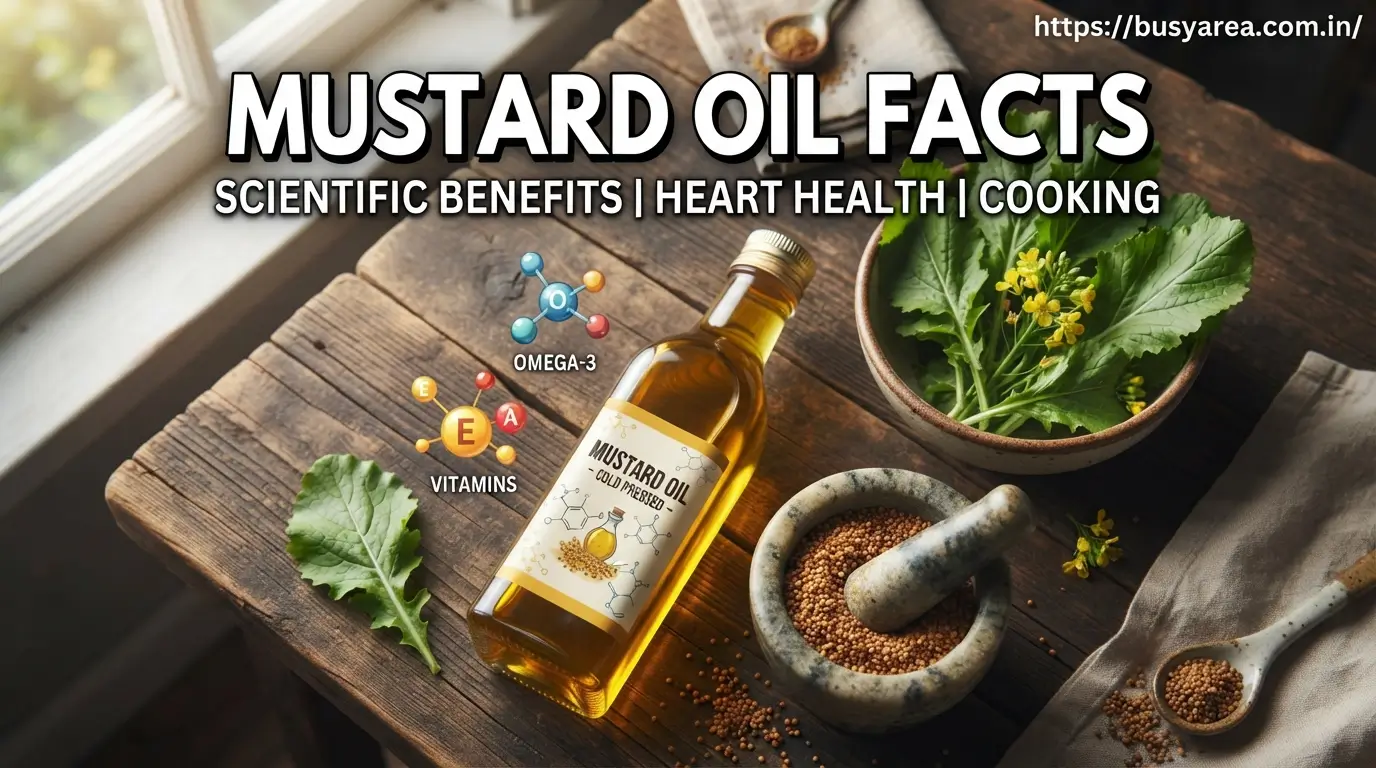
Mustard oil has been an essential part of traditional cooking and wellness practices for centuries, especially across South Asia. Its strong aroma, distinctive pungent taste, and deep cultural roots have made it a preferred choice in households for generations. Today, as people become more health-conscious and actively search for better cooking oils, the question of whether mustard oil is good for health has become increasingly important in nutrition discussions.
What makes this oil so interesting is its unique nutritional profile. It contains a high amount of unsaturated fats, including omega fatty acids, which are often linked with heart and metabolic health. At the same time, it also contains cold-pressed mustard oil compounds, antioxidants, and naturally occurring bioactive substances that may support overall wellness. However, it is also surrounded by debate due to the presence of erucic acid, a component that has raised safety concerns in certain studies and regulatory discussions. This dual nature—both beneficial and controversial—is the reason mustard oil continues to attract attention from researchers, health experts, and everyday consumers. Some consider it one of the healthiest traditional cooking oils when used in moderation, while others recommend limiting its intake depending on dietary needs and regional guidelines.
What Is Mustard Oil?
Mustard oil is a traditional edible oil extracted from the seeds of the mustard plant, widely used in South Asian cooking and traditional wellness practices. Known for its strong aroma and pungent flavor, it plays a major role in regional cuisines where bold taste and high-heat cooking are common. In modern nutrition discussions, whether mustard oil is good for health is a frequently asked question because of its unique balance of beneficial fats and naturally occurring bioactive compounds that may influence overall wellness.
Unlike many neutral vegetable oils, mustard oil stands out due to its distinctive chemical composition and cultural significance. It contains natural antioxidants and fatty acids that make it both flavorful and functionally interesting from a nutritional perspective. However, it also includes compounds like erucic acid, which have led to ongoing debates about their long-term safety and usage levels in daily diets.
How Mustard Oil Is Made
Mustard oil is produced by extracting oil from mustard seeds using mechanical pressing or industrial refining methods. The extraction process plays a crucial role in determining the oil’s flavor, aroma, and nutritional quality. Traditional methods preserve more natural compounds, while modern refining focuses on purity, stability, and shelf life. This difference is one of the reasons why discussions around whether mustard oil is good for health often depend on the type and processing method of the oil being consumed.
The production process also influences the concentration of beneficial nutrients such as antioxidants and fatty acids. While cold-pressed methods retain more of these compounds, refined versions are often milder and more suitable for people who prefer less intense flavor. Understanding these differences helps consumers choose the right type of mustard oil based on both taste preferences and health considerations.
Types of Mustard Oil
Mustard oil is available in different forms depending on how it is processed. Each type varies in flavor intensity, nutrient retention, and suitability for cooking. Choosing the right type can influence both the culinary experience and nutritional intake, especially for those evaluating whether mustard oil is good for health in everyday use.
The main types of mustard oil include cold-pressed, refined, and Kachi Ghani varieties. Each has its own processing method and benefits, making it important to understand their differences before including them in a regular diet.
Cold-Pressed Mustard Oil
- Extracted using mechanical pressing without high heat
- Retains natural antioxidants and nutrients
- Strong aroma and pungent taste
- Commonly used in traditional and regional cooking
Refined Mustard Oil
- Processed under heat and filtration
- Milder aroma and taste
- Longer shelf life compared to raw versions
- Suitable for general frying and cooking
Kachi Ghani Mustard Oil
- Extracted using traditional cold-press methods
- Strong, authentic flavor and aroma
- Preserves more natural nutrients
- Popular in Indian and South Asian cooking
Read Also: Is mustard oil good for health
Is Mustard Oil Good for Health?
Mustard oil has long been a topic of debate in nutrition and health circles, especially due to its unique composition of fats and bioactive compounds. When people ask whether mustard oil is good for health, they are usually trying to understand whether its traditional reputation as a beneficial cooking oil truly matches modern scientific evidence. The answer depends on how it is used, the quantity consumed, and the overall dietary pattern it is part of.
From a nutritional standpoint, mustard oil contains a mix of monounsaturated and polyunsaturated fats, along with natural antioxidants that may support general wellness. However, it also contains erucic acid, a naturally occurring fatty acid that has raised safety concerns in high amounts. Because of this combination of benefits and controversies, mustard oil is neither strictly “good” nor “bad”—its impact on health largely depends on moderation and context.
What Research Says
Scientific studies suggest that mustard oil contains a good proportion of unsaturated fats, which are generally associated with improved cholesterol balance and reduced risk of cardiovascular issues when used appropriately. Research also highlights the presence of alpha-linolenic acid (ALA), a plant-based omega-3 fatty acid that supports heart and brain health.
Several dietary studies, particularly in South Asian populations, have observed potential links between mustard oil consumption and lower rates of certain heart-related conditions. However, these findings are not conclusive, as many lifestyle and dietary factors also influence these outcomes.
Why Experts Have Mixed Opinions
Health experts remain divided when discussing whether mustard oil is good for health because it presents both nutritional benefits and potential concerns. On one hand, its high content of unsaturated fats and natural antioxidants makes it appealing as a cooking oil compared to those high in saturated fats.
On the other hand, the presence of erucic acid has led some regulatory bodies to restrict or limit its use in edible form in certain countries. While typical dietary consumption levels are generally considered safe for most healthy adults, experts still recommend moderation and dietary diversity rather than relying heavily on a single oil source.
Top Health Benefits of Mustard Oil
Mustard oil has been traditionally valued not only for its strong flavor but also for its wide range of potential health-supporting properties. When exploring whether mustard oil is good for health, it is important to understand that its benefits come mainly from its rich content of unsaturated fats, natural antioxidants, and essential fatty acids. These compounds may contribute to overall wellness when the oil is consumed in moderation as part of a balanced diet. Modern nutrition research also highlights its possible role in supporting heart health, digestion, skin nourishment, and inflammatory balance, making it a widely discussed cooking oil choice.
Key Benefits of Mustard Oil
- May support heart health by improving cholesterol balance through healthy unsaturated fats intake regularly.
- Contains antioxidants that help protect body cells from oxidative stress and free radical damage naturally.
- Provides omega-3 fatty acids that support brain function, memory, and overall cognitive health development.
- May reduce inflammation in the body due to its natural anti-inflammatory compounds and bioactive nutrients.
- Supports digestive health by stimulating enzyme production and improving gut metabolism for better absorption.
- Helps nourish skin deeply, keeping it soft, hydrated, and protected from environmental damage daily.
- Promotes healthy hair growth by strengthening roots and improving scalp circulation with regular application.
- May have antibacterial properties that help protect against certain harmful microbes and infections effectively.
- Acts as a natural massage oil, improving blood circulation and reducing muscle stiffness or fatigue.
- Enhances flavor in cooking while allowing the use of smaller quantities due to its strong aroma.
Nutritional Value of Mustard Oil
Mustard oil is one of the most widely used traditional cooking oils, especially in South Asian households, due to its strong flavor and dense energy content. When analyzing whether mustard oil is good for health, its nutritional composition becomes extremely important because it is almost entirely made of fats that directly influence heart health, metabolism, and energy balance. Unlike refined oils that are stripped of many natural compounds, mustard oil retains a variety of naturally occurring fatty acids and minor bioactive components that contribute to its overall nutritional profile.
From a scientific perspective, mustard oil is not just a source of calories but also a functional fat that interacts with the body’s lipid metabolism. It contains a mix of monounsaturated fats, polyunsaturated fats, and small amounts of natural antioxidants like tocopherols. These compounds may help reduce oxidative stress in the body when consumed in moderation. However, because it is still a high-fat food, its health impact depends heavily on portion size and dietary balance.
Calories
Mustard oil provides approximately 120 calories per tablespoon, making it one of the most energy-dense cooking ingredients in everyday diets. These calories come entirely from fat, which means even small quantities can significantly contribute to daily energy intake.
This high caloric density is beneficial in terms of energy supply but also requires careful portion control. Overconsumption of mustard oil can lead to excessive calorie intake, which may increase the risk of weight gain if not balanced with physical activity and other dietary factors.
Healthy Fats
A major reason mustard oil is discussed in nutrition science is its high content of healthy fats, particularly monounsaturated fatty acids (MUFA) and polyunsaturated fatty acids (PUFA). These fats are considered “heart-friendly” because they may help maintain healthier cholesterol levels when they replace saturated fats in the diet.
These fats also play essential roles in hormone production, brain function, and cell membrane integrity. This is why mustard oil is good for health, which is often linked to cardiovascular wellness discussions, especially in diets where it replaces less healthy cooking oils such as trans-fat-rich or heavily processed fats.
Vitamins
Mustard oil contains small amounts of fat-soluble vitamins, especially vitamin E, which acts as a powerful antioxidant. Vitamin E helps protect cells from damage caused by free radicals and supports skin health, immune function, and overall cellular repair processes.
Although mustard oil is not a primary vitamin source, its vitamin E content adds functional nutritional value. When combined with a nutrient-rich diet, it contributes to antioxidant intake, which is important for long-term health maintenance and reducing oxidative stress in the body.
Omega-3 and Omega-6 Fatty Acids
Mustard oil naturally contains both omega-3 and omega-6 fatty acids, which are essential fats that the human body cannot produce on its own. Omega-3 fatty acids are associated with anti-inflammatory effects, brain health, and cardiovascular protection, while omega-6 fatty acids support skin health, growth, and overall cellular function.
The balance between these two fatty acids is crucial for maintaining optimal health. In modern diets, omega-6 intake is often higher than omega-3 intake, which can create an imbalance. Mustard oil provides both, and when used appropriately, it can contribute to a more balanced fatty acid profile—one of the key reasons why mustard oil is good for health continues to be an important nutritional question.
Mustard Oil vs Other Cooking Oils
When comparing different cooking oils, it becomes clear that each one has its own nutritional profile, benefits, and limitations. To properly understand whether mustard oil is good for health, it is important to compare it with commonly used oils such as olive oil, sunflower oil, coconut oil, and canola oil. Mustard oil stands out for its strong flavor, high content of monounsaturated and polyunsaturated fats, and traditional use in high-heat cooking. However, other oils may offer advantages in areas like milder taste, higher smoke points, or different fatty acid compositions, making the choice highly dependent on dietary needs and cooking methods.
Comparison of Mustard Oil vs Other Cooking Oils
| Oil Type | Fat Profile | Smoke Point | Key Benefits | Limitations |
| Mustard Oil | High MUFA & PUFA | Medium-High | Rich flavor, omega fats, traditional use | Contains erucic acid, strong taste |
| Olive Oil | High MUFA | Medium | Heart-healthy, antioxidants | Expensive, lower heat stability (extra virgin) |
| Sunflower Oil | High PUFA | High | Neutral taste, widely available | High omega-6 may cause an imbalance |
| Coconut Oil | High Saturated Fat | High | Stable for cooking, long shelf life | High saturated fat content |
| Canola Oil | Balanced fats | High | Neutral flavor, heart-friendly | Highly processed in many cases |
Potential Risks and Side Effects
Mustard oil is often praised for its nutritional benefits, but like any concentrated cooking oil, it also carries certain risks that should not be ignored. When evaluating whether mustard oil is good for health, it is essential to look at both its advantages and limitations to form a balanced understanding. Its strong chemical profile, high fat content, and natural bioactive compounds mean that its effects can vary depending on how it is used, how much is consumed, and the individual’s health condition. From a scientific and dietary perspective, mustard oil is not inherently dangerous for most healthy adults when used in moderation. However, concerns arise mainly from long-term excessive intake, improper cooking practices, and sensitivity in certain individuals. Compounds such as erucic acid, along with their intense nature, make it important to use mustard oil thoughtfully rather than excessively.
Erucic Acid Concerns
One of the most debated aspects of mustard oil is its erucic acid content, a naturally occurring fatty acid found in mustard seeds. Some animal studies have suggested that very high intake of erucic acid may affect heart tissue health, which has led to strict regulations in certain countries regarding edible oil standards.
Despite these concerns, typical dietary use of mustard oil in cooking is generally considered safe for most healthy adults when consumed in reasonable amounts. The discussion around whether mustard oil is good for health often centers on this compound, but current evidence suggests that normal culinary use does not pose a significant risk, especially when the oil is part of a varied diet that includes multiple fat sources.
Allergic Reactions
Allergic reactions to mustard oil are relatively uncommon but can occur in individuals who are sensitive to mustard seeds or related plant compounds. These reactions may appear as skin redness, itching, or mild inflammation after topical use, while ingestion may cause digestive discomfort in sensitive individuals.
In more sensitive cases, even small amounts can trigger immune responses, especially in people with a known history of food allergies. Because of this, it is always advisable to start with small quantities and observe how the body responds before making mustard oil a regular part of the diet or skincare routine.
Smoke Point Considerations
Mustard oil has a moderate to relatively high smoke point, which makes it suitable for sautéing, shallow frying, and everyday cooking. However, when it is heated beyond its smoke point, it begins to break down and may release harmful compounds along with a loss of beneficial nutrients.
This is an important consideration when discussing whether mustard oil is good for health, because improper heating practices can reduce its nutritional value and potentially create unwanted by-products. It is best used on medium heat rather than extremely high-temperature deep frying, especially when reused multiple times.
Skin Irritation
Mustard oil is commonly used in traditional massage and hair treatments, but its strong natural compounds can sometimes irritate sensitive skin. This may include redness, warmth, or a tingling sensation, especially when applied in large amounts or without dilution.
The irritation is usually due to its natural pungent compounds and bioactive elements, which can be too intense for delicate skin types. To reduce risk, a patch test is recommended before regular use, particularly for individuals with dry, sensitive, or allergy-prone skin.
When to Avoid Mustard Oil
Although mustard oil can be beneficial for many people, there are specific situations where its use should be limited or avoided. Individuals with known mustard allergies should avoid both dietary and topical use completely to prevent adverse reactions.
It may also not be suitable for infants, individuals with sensitive digestive systems, or those following strict medical dietary restrictions. In such cases, the question of whether mustard oil is good for health depends heavily on personal health conditions, and professional medical advice should be considered before regular use.
How to Choose High-Quality Mustard Oil
Choosing the right mustard oil is essential for maximizing both its nutritional benefits and culinary value, especially when considering whether mustard oil is good for health in daily use. High-quality mustard oil retains more natural nutrients, has better flavor, and is less likely to contain harmful impurities or excessive processing residues. With many brands and processing methods available in the market, consumers must understand key quality indicators such as extraction method, purity, aroma, and labeling standards. Selecting the right oil ensures better health outcomes, improved taste, and safer long-term consumption in everyday cooking practices.
Key Points to Choose High-Quality Mustard Oil
- Prefer cold-pressed or kachi ghani mustard oil for maximum nutrients and authentic, strong,g natural flavor quality.
- Check the label for purity, ensuring no mixing with cheaper refined or adulterated vegetable oils is present.
- Look for dark glass bottles or food-grade packaging that protects oil from sunlight and oxidation damage.
- Choose oil with a strong pungent aroma, indicating natural extraction and minimal chemical processing during production.
- Verify manufacturing and expiry dates to ensure freshness and safe consumption without rancidity or spoilage risks.
- Avoid oils with excessive refining, bleaching, or deodorizing, which reduce nutritional value and natural compounds significantly.
- Check for certification marks like FSSAI or food safety approval, ensuring regulated production standards and quality.
- Store oil in a cool, dry place to maintain freshness and prevent oxidation or nutrient degradation.
- Prefer trusted brands with transparent sourcing and clearly mentioned mustard seed origin for quality assurance purposes.
- Ensure oil color appears natural golden-yellow, not overly pale or artificially modified during processing stages.
Is Mustard Oil Safe for Cooking?
Mustard oil is a traditional cooking fat that has been used for centuries, especially in South Asian households, due to its strong aroma, sharp flavor, and ability to enhance the taste of food. When analyzing whether mustard oil is good for health, its cooking safety becomes a crucial factor because the way it is heated, reused, and combined with foods directly influences its nutritional stability. In general, mustard oil is considered safe for cooking when it is used appropriately, but its safety depends on temperature control, quantity, and cooking frequency. From a biochemical perspective, mustard oil contains a unique combination of fatty acids along with pungent compounds such as allyl isothiocyanate, which give it its characteristic taste and aroma. These compounds can offer certain antimicrobial properties, but they are also sensitive to excessive heat. When overheated or reused multiple times, the oil may lose beneficial nutrients and develop undesirable compounds, which is why proper cooking methods are essential.
Best Cooking Methods
Mustard oil performs best in cooking methods that use controlled heat and short cooking durations. It is especially effective in traditional cuisines where spices are tempere,d and foods are cooked quickly to retain flavor and nutrition. When considering whether mustard oil is good for health, the cooking method plays a major role in determining whether it remains beneficial or becomes less healthy.
Gentle heating methods such as sautéing, stir frying, and light frying allow mustard oil to maintain its nutritional integrity while releasing its signature flavor. Proper pre-heating (until the oil slightly smokes and then cools slightly) is also a traditional practice used to reduce pungency and improve safety before cooking.
Frying
Mustard oil can be used for shallow frying, where food is cooked in a moderate amount of oil at controlled temperatures. This method is commonly used for vegetables, fish, eggs, and meat preparations in traditional cooking styles.
However, frying must be done carefully because excessive heat can degrade the oil’s beneficial fatty acids and produce unwanted oxidation products. For those evaluating whether mustard oil is good for health, shallow frying is acceptable occasionally, but it should not become the primary cooking method in a daily diet.
Deep Frying
Deep frying with mustard oil is common in many regional cuisines because it enhances flavor and gives food a crisp texture. Its relatively stable fat composition allows it to withstand higher temperatures compared to some other traditional oils.
Despite this, repeated deep frying or reusing the same oil multiple times can significantly reduce its quality. Over time, oxidation and breakdown of fats may occur, which can negatively impact health. Therefore, even though mustard oil can handle deep frying, moderation is key when considering whether mustard oil is good for health in long-term dietary habits.
Stir Frying
Stir-frying is one of the most suitable and health-friendly ways to use mustard oil. This method involves quick cooking at medium to high heat, which helps preserve the oil’s natural flavor while minimizing nutrient loss.
In this cooking style, mustard oil blends well with spices and vegetables, enhancing both taste and aroma. Because cooking time is short, the oil remains relatively stable, making stir-frying one of the better choices for those who want to include mustard oil in a balanced and health-conscious diet.
Salad Dressings
Mustard oil is rarely used as a raw salad dressing in its pure form due to its strong pungent flavor. However, in traditional recipes, small amounts are sometimes mixed with lemon juice, spices, or other milder oils to create flavorful dressings.
When consumed raw, mustard oil retains its maximum natural compounds, but it should be used sparingly. Excess raw consumption may be too intense for some individuals, which is why its role in evaluating whether mustard oil is good for health often focuses more on cooked usage rather than direct consumption in salads.
How Much Mustard Oil Should You Use?
Mustard oil can be a healthy cooking fat when used in controlled amounts, but its benefits depend heavily on portion size and overall diet quality. When evaluating whether mustard oil is good for health, quantity becomes one of the most important factors because even nutrient-rich oils are calorie-dense and can negatively affect health if overused. Since mustard oil is almost entirely fat-based, even small increases in daily intake can significantly impact total calorie consumption and long-term weight balance. From a nutritional science perspective, mustard oil should be viewed as a functional fat source rather than something to be consumed freely. It contains beneficial compounds such as monounsaturated fatty acids and polyunsaturated fatty acids, which support heart and metabolic health when balanced correctly.
Daily Intake
For most healthy adults, a reasonable daily intake of mustard oil typically falls between 2 and 4 teaspoons per day, depending on cooking style and overall fat consumption from other foods. This amount is usually enough to cook meals while still keeping total fat intake within recommended dietary limits.
It is important to understand that this is not a fixed rule but a general guideline. Individuals who consume other fat-rich foods such as nuts, dairy, or fried snacks may need to reduce oil intake further. When considering whether mustard oil is good for health, moderation ensures that its benefits are achieved without exceeding safe calorie and fat levels.
Balanced Diet Tips
A balanced approach to mustard oil consumption means integrating it into a diverse diet rather than relying on it as the sole cooking fat. Rotating between different healthy oils can help maintain a better balance of omega-3 and omega-6 fatty acids, which is important for reducing inflammation and supporting overall health.
It is also essential to focus on overall dietary patterns rather than isolating one ingredient. Pairing mustard oil with fiber-rich vegetables, whole grains, and lean proteins helps improve digestion and nutrient absorption. At the same time, limiting processed foods and repeated deep-fried items ensures that mustard oil is good for health remains a positive answer within the context of a well-structured, nutrient-rich diet.
Expert Tips for Using Mustard Oil Safely
Using mustard oil safely requires understanding its nutritional strengths, cooking behavior, and potential limitations to maximize health benefits while minimizing risks. When evaluating whether mustard oil is good for health, experts emphasize that proper usage, moderation, and cooking techniques play a major role in determining its overall impact on the body. Mustard oil contains beneficial fatty acids and antioxidants, but it can lose its advantages if overheated, overused, or consumed without balance in the diet. Following expert recommendations ensures safer consumption, better nutrient retention, and improved long-term health outcomes in daily cooking practices.
Expert Safety Tips for Mustard Oil
- Always heat mustard oil until it slightly smokes, then cool slightly before cooking for safer usage.
- Use moderate amounts daily to avoid excess calorie intake and maintain a healthy body weight balance overall.
- Avoid reheating the same mustard oil multiple times to prevent harmful oxidation and nutrient degradation effects.
- Combine mustard oil with other healthy oils to maintain balanced fatty acid intake and nutritional diversity.
- Store mustard oil in airtight containers away from sunlight to preserve freshness and prevent rancidity.
- Choose cold-pressed or kachi ghani varieties for higher nutrient retention and better overall natural quality.
- Use mustard oil mainly for sautéing and stir-frying instead of excessive deep frying for health safety.
Frequently Asked Questions
Is mustard oil safe for daily cooking?
Mustard oil is generally safe for daily cooking when used in moderation. When considering whether mustard oil is good for health, the key factor is portion control and balanced use with other oils. Excessive intake should be avoided due to its high calorie content.
Can mustard oil improve heart health?
Mustard oil contains unsaturated fats that may support healthy cholesterol levels when used instead of saturated fats. However, its benefits depend on overall diet quality, not just one ingredient.
Why is mustard oil restricted in some countries?
Some countries limit edible mustard oil due to concerns about erucic acid, a natural compound linked to heart effects in high doses. Normal culinary use is generally considered safe within regulated limits.
Is cold-pressed mustard oil better than refined oil?
Yes, cold-pressed mustard oil retains more natural nutrients and antioxidants compared to refined versions. It is often preferred when evaluating whether mustard oil is good for health due to its higher nutritional value.
Can mustard oil be used for frying and cooking?
Mustard oil is suitable for sautéing, stir frying, and moderate deep frying. However, it should not be overheated or reused multiple times to maintain its nutritional quality and safety.
Conclusion
Mustard oil has long held a strong place in traditional cooking, and modern nutrition science continues to evaluate its role in a balanced diet. When answering whether mustard oil is good for health, the most accurate conclusion is that it can be beneficial when used responsibly and in moderation. Its rich profile of unsaturated fats, natural antioxidants, and essential fatty acids may support heart health, digestion, and overall wellness when it replaces less healthy cooking fats.
At the same time, mustard oil is not without limitations. The presence of erucic acid, its high calorie density, and its sensitivity to overheating mean it should be used thoughtfully. It works best as part of a varied diet that includes multiple healthy fat sources rather than being the sole cooking oil. Ultimately, mustard oil is neither a superfood nor a harmful ingredient on its own. Its health impact depends entirely on how it is used, how much is consumed, and the overall quality of the diet. With mindful usage and proper cooking practices, it can be a valuable and flavorful addition to a healthy lifestyle.
