
It is the question behind a million quick errands: how busy is Target right now? Not on a typical Saturday, not last week — now, at the store you are about to drive to, in the next half hour. Google Maps can answer it, because most Target listings carry a live busyness bar that compares the store’s current activity with its usual level for this hour. This guide shows you where that bar lives, how to read it honestly, and how to back it up with the store’s typical graph when the live signal is missing.
If the idea of live visit data is new, the busy area explainer walks through how Maps turns anonymised visits into these panels. Here we put it to work on a single, practical question.
is target busy right now
The fastest honest answer comes from the store’s own listing, in this order:
- Search for your Target store and open its listing — the specific branch, not the chain’s generic page.
- Look for the live busyness line under the Popular Times graph: phrases like “busy as it gets”, “busier than usual”, “a little busy” or “usually not too busy”, with a live bar drawn over today’s typical curve.
- Read the two together. The phrase tells you the level; the bar’s position against the outline tells you whether the store is peaking early, late, or on schedule.
If there is no live line, the store is not publishing live data right now — Google only shows it when there are enough current visits to describe the crowd without guessing. In that case the typical graph for this day and hour is your answer, read with the caveats in the sections below. What the live line never gives you is a headcount or a checkout-queue length; it is a level, honestly labelled, and for a shopping decision a level is usually enough.
how busy is target
Strip away the “right now” and the question becomes: what does busy mean at a Target? The scale is relative — every phrase compares the store with itself, not with other shops. “As busy as it gets” at a small city-format store may involve fewer people than a quiet morning at a suburban superstore, because each store’s peak is its own. That relativity is a feature for regulars: you shop at your store, so its own scale is the one that predicts your trip.
In practice the labels translate like this for a Target run:
- “Usually not busy” / “a little busy” — walk in, short or no checkout line, staff available. The errand stays an errand.
- “Busy” / “busier than usual” — full aisles in the popular departments, a real but moving checkout queue. Budget the listed visit duration plus a margin.
- “As busy as it gets” — the store is at its weekly-peak level, whatever the clock says. Expect the complete experience: car park pressure, busy fitting rooms, the longest tills of the day.
how busy is target near me
“Near me” is doing quiet work in the question, because the answer changes by branch. Two Targets three miles apart can show different live levels at the same moment — one beside a mall rides the mall’s wave; one in a residential district follows the school and commute clock. To get your answer:
- Search “Target near me” and open the map view, not just the list; cards for nearby stores often preview their live status, letting you compare two or three branches at a glance.
- Tap the branch you would actually visit. Averages across the chain are useless; the panel on your branch is the data.
- Check the hours while you are there. A store closing within the hour shows a live level that is about to fall off a cliff — and a last entry time that may bite before the level does.
how busy is target right now near me
This is the combined question — live level, your branch — and it has one more refinement worth thirty seconds: compare the neighbours. If your usual store reads “busier than usual” but the next branch over reads “a little busy”, the difference is real information about where the local crowd has gone, and a five-minute longer drive can buy a fifteen-minute shorter shop. This compare-the-alternatives move generalises to every errand type, and our guide to whether it is busy right now builds a whole checking routine around it.
One caution on timing: live data updates continuously but reflects the store as it was minutes ago, and a crowd can build while you drive. For a trip longer than twenty minutes, re-glance at the bar before you set off rather than relying on a check from an hour ago — the level you want is the one closest to your arrival.
target busy times
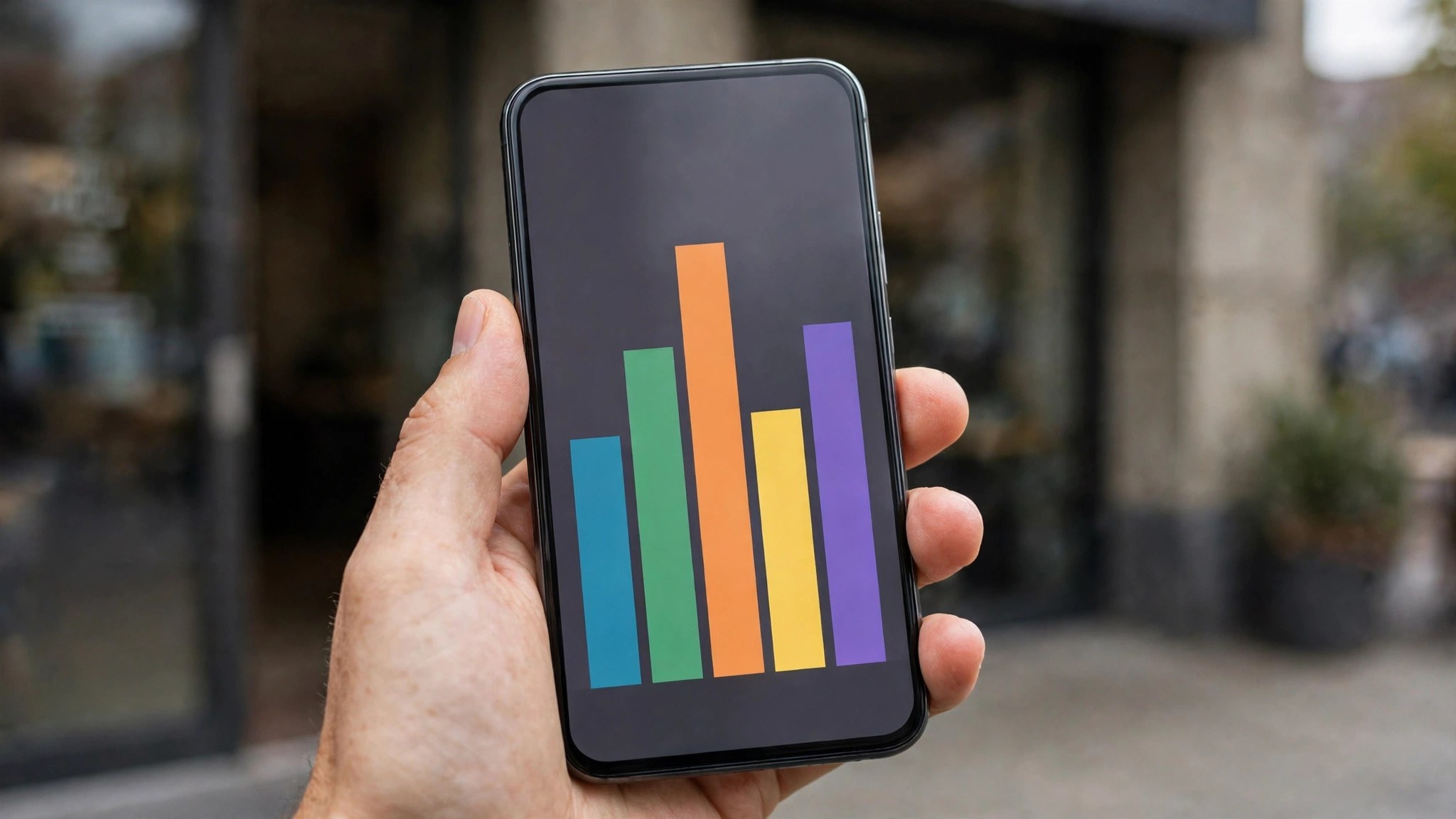
Behind the live answer sits the typical pattern — the one mapped fully in our Target popular times guide. The short version: Saturday is the peak day, with a long afternoon plateau; weekday evenings around 5–7 pm carry the daily surge; weekday mid-mornings, especially Tuesday to Thursday, are the valley. The typical graph is what the live bar is compared against, which is why learning your store’s shape once makes every future live reading instant to interpret: you are no longer reading a level, you are reading a deviation from a pattern you know.
how busy is target today
“Today” adds the day’s identity to the question, and day identity changes the reading:
- A weekday today behaves like its graph, with the after-work surge as the moment to dodge.
- A Saturday today starts building late morning; a calm live bar at 9 am is genuine but temporary — the wave is scheduled, and the graph shows its arrival time.
- A sale or event today can detach the live bar from the graph entirely, which is the subject of the next section.
- A holiday-eve today imports tomorrow’s crowd into this afternoon, especially at stores combining groceries, gifts and travel goods — which is to say, at Target precisely.
Reading today’s curve on the graph — the whole day at a glance, not just this hour — turns the live check into a plan: you see not only how busy it is, but when it will stop being busy, and whether waiting an hour actually helps.

how busy is target on black friday
On Black Friday the honest answer is: as busy as the store ever gets, from earlier than you expect. Doors-open surges have softened in the era of week-long online sales, but the in-store day still builds to the year’s summit and holds it for hours, and the typical graph — built from ordinary weeks — understates the morning entirely. The live bar is the only panel telling the truth, and even it lags a fast-forming queue by a few minutes.
Practical Black Friday readings: if the live bar already says “as busy as it gets” before your planned departure, the store will not calm down by the time you arrive — go for a specific item with a fallback plan, or shift to the evening fade, when the day’s crowd drains and the store, though picked over, becomes navigable again. And remember that busyness data says nothing about stock: a quiet 8 pm store may simply be a sold-out one.
What day is Target most busy?
Saturday — shopper research and the stores’ own graphs agree, as they do across most of American retail. Weekends in general, and Saturdays especially, bring the worst crowds and longest checkout lines; Sunday is the runner-up, and Friday evening opens the build. If your Target run can live on a weekday, the data’s advice is unambiguous: midweek, mid-morning, and the famous quick errand stays quick.
When the live bar and the graph disagree
Most days the two panels tell one story. The interesting days are when they argue — and knowing which one to believe is the whole skill of the pre-trip check.
Live higher than typical. Something is happening: a sale you had not heard about, a nearby event emptying into the store, weather driving people indoors, or a rival store’s closure diverting its crowd. Believe the live bar for today’s trip — it is measuring the store as it is — and treat the gap as a mystery your errand does not need to solve. If the trip is flexible, the gap usually closes within an hour or two as the cause passes.
Live lower than typical. The pleasant surprise: a quieter-than-usual morning, often after bad weather clears, on a holiday-adjacent day when everyone assumed the store would be mobbed, or simply a local rhythm the averages have not caught up with. Believe it, and go — these windows are the entire reward for checking. They are also perishable; a “less busy than usual” reading at 10 am can be history by noon as word effectively spreads through everyone’s identical check.
No live bar at all. Not a disagreement but an absence, and common at the day’s edges. The graph, read with the day-type context from earlier in this guide, is the intended fallback — that is what it is for.
Frequently asked questions
Why does my Target listing show no live busyness?
Live data appears only when Google has enough current, anonymised visits at that store to describe the crowd. Quiet hours, smaller stores and new listings often show the typical graph alone — use it, with today’s day-type in mind.
How current is the live bar?
It updates continuously from visits happening now, so it is minutes-fresh rather than instant. A queue that formed two minutes ago may not show yet; a trend over the last half hour shows clearly.
Is “busier than usual” a warning to stay away?
Not necessarily — it is a comparison, not a verdict. At a normally calm hour, “busier than usual” can still mean a perfectly manageable store. Compare it with the store’s peak label before deciding.
Can I check before a future trip, not just now?
For later today or another day, use the Popular Times graph for that day and hour. Live data only describes the present; the graph is the planning tool, live is the departure check. Google’s guide to popular times, wait times and visit duration data explains how both are produced.
The bottom line
“How busy is Target right now” has a real answer, and it lives on your branch’s listing: the live bar for the level, the typical graph for the pattern, the day’s identity for the context. Thirty seconds of checking before you leave turns a gamble into a decision — and when the bar says the store is at its peak, the calmest move is often simply to go in an hour, when the graph promises the wave has passed.
