
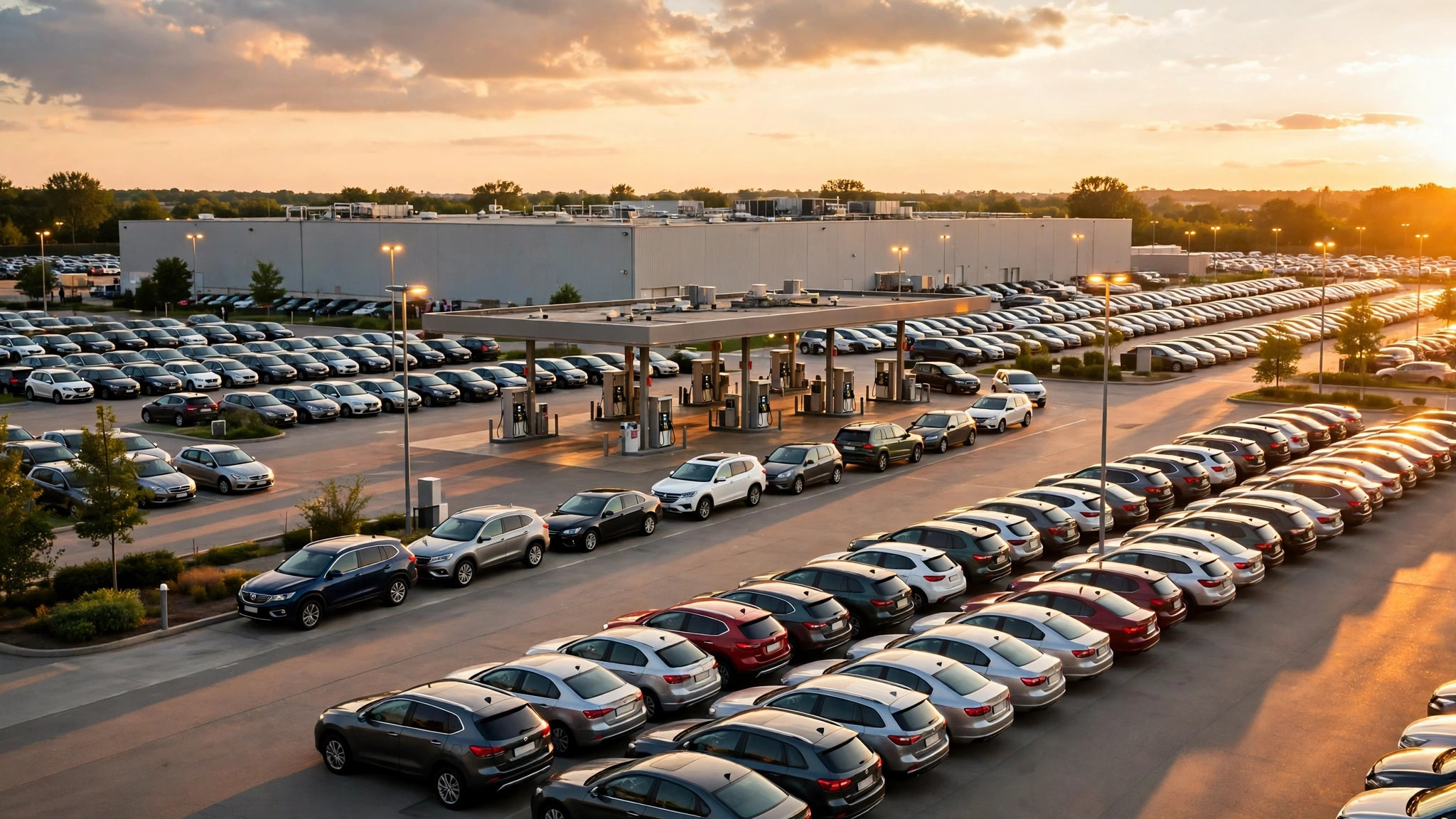
Warehouse clubs look interchangeable from the motorway: a vast box, a vast car park, a vast trolley. Inside their crowd rhythms, though, the big three — Costco, Sam’s Club and BJ’s Wholesale Club — each keep their own time. Warehouse club crowd patterns decide whether your bulk shop is a calm forty minutes or a Saturday siege, and the patterns differ enough between the chains that a member of two clubs can shop them on different days and win at both.
This comparison reads the three chains the way Google Maps shows them: through each location’s popular times graph and live busyness, the peaks their membership models create, and the quiet windows all three share. It extends our single-chain deep dives — start with how busy is Costco right now for the checking routine itself.
The shape all three share
First, the common skeleton, because it is strong. Every warehouse club wears the same week: a midweek trough, a Friday build, a Saturday summit late morning to mid-afternoon, and a Sunday secondary peak with a pre-week stock-up character. The reasons are structural and identical across chains: bulk shopping is a planned expedition, expeditions happen when households are free, and households are free at weekends.
The graphs also share the same supporting features: a visit duration measured in the better part of an hour, fuel stations that queue before the store does, food courts that spike at lunchtime independently of the floor, and a pre-holiday season that stretches the Saturday shape across the whole week. If you learn to read one club’s graph, you can read them all — the differences live in the details below.
Costco: the destination peak
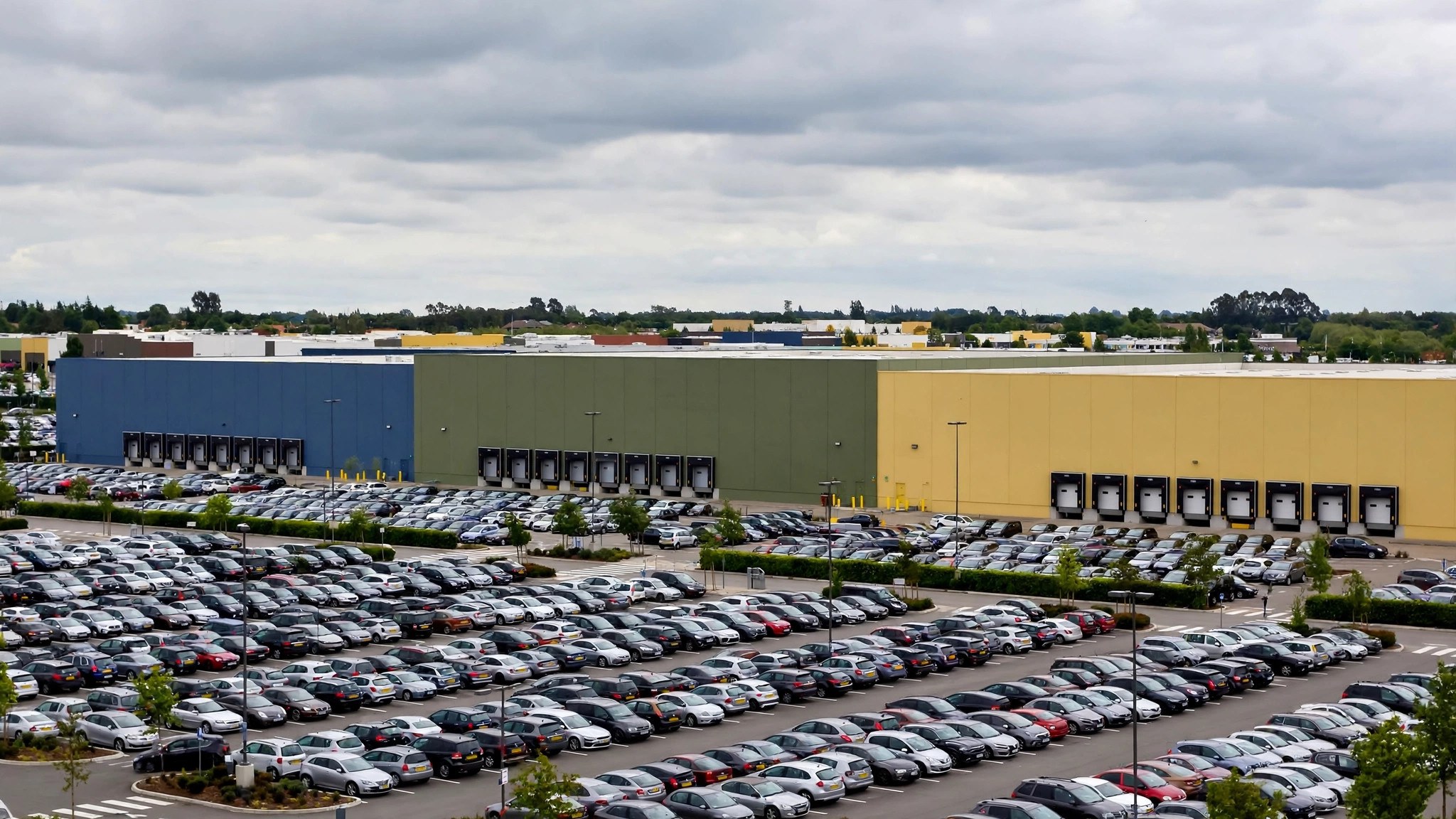
Costco’s crowds are the most destination-like of the three. Its membership skews toward planned, large-basket trips, and its warehouses are fewer and larger, drawing from wide catchments. The graph signature: the tallest Saturday peak of the three, a pronounced Sunday afternoon, and genuinely deep midweek troughs — the contrast between its best and worst hour is the widest in the category.
Two Costco-specific patterns stand out on listings. The fuel queue at many warehouses peaks earlier and harder than the store, functioning as a separate crowd system with its own morning rush. And coupon-book cycles move the whole graph: the first days of a new savings book lift even weekday bars, an effect regulars learn to schedule around — or to exploit, since restocked promotional stock rewards the early crowd-tolerators.
Our Costco popular times guide reads this chain’s graph hour by hour.
Sam’s Club: the flatter curve
Sam’s Club (Walmart’s warehouse arm) tends to wear a flatter graph. Its locations are more numerous in its heartlands, its membership includes more small-business and convenience traffic, and the result is a crowd curve with a lower summit and fuller shoulders: weekday evenings carry more weight, the Saturday peak spreads wider across the day, and the midweek trough is shallower than Costco’s.
Practical consequences: the best hour at Sam’s Club is less miraculous than Costco’s best, but the worst hour is less punishing too — a forgiving graph for members whose schedules cannot hunt the perfect window. Business-member early hours, where offered, skim the trade crowd off the morning and can leave the first regular hour pleasantly calm. Against its parent chain’s rhythm, the contrast with the Walmart busiest day pattern is instructive: the supercenter’s peak is broader and later, the club’s sharper and earlier.
BJ’s: the regional rhythm
BJ’s Wholesale Club, concentrated in the eastern United States, keeps the most regional crowd signature. With no fuel at some locations and a stronger grocery-and-everyday mix than its rivals, many BJ’s graphs show a pattern closer to a giant supermarket: a meaningful weekday-evening trade, a Saturday peak that arrives a touch earlier, and holiday patterns tied to its coastal catchments — including summer-weekend effects near shore communities that neither rival feels as strongly.
BJ’s smaller footprint also means thinner data at some locations: you will occasionally find a BJ’s listing with a graph but no live bar at quiet times, where a comparable Costco shows live data. That is a measurement artefact of visitor volume, not a comment on the store — fall back on the typical graph, which is built from months of visits and needs less traffic to stay honest.
The quiet windows, chain by chain
| Window | Costco | Sam’s Club | BJ’s |
|---|---|---|---|
| Best weekday slot | Tue–Thu mid-morning; 3–5 p.m. lull | Weekday mid-morning; early regular hours after business entry | Weekday mid-morning; mid-afternoon |
| Best weekend slot | First hour after opening, Saturday | Saturday opening hour; Sunday late afternoon decline | Saturday opening hour; Sunday evening |
| Worst slot | Saturday 11 a.m.–3 p.m. | Saturday late morning–afternoon (spread wider) | Saturday mid-morning–early afternoon |
| Signature trap | Fuel queue; coupon-book launches | Fuller weekday evenings than expected | Holiday and shore-season surges |
Treat the table as a prior, not a verdict — each location’s own popular times graph is the authority, and Google’s Business Profile Help is clear that these graphs are built per location from its own visits.
Membership tiers bend the curve
All three chains sell tiered memberships, and tiers with early entry reshape the morning. Where executive or business tiers enter before regular hours, the keenest shoppers — often the biggest baskets — clear the floor early, and the graph can show a curious pattern: a busy-looking opening that is actually the tail of the early crowd leaving. If your tier includes early access, your best window is one the public graph cannot even show you; if it does not, arriving just as the early wave checks out is the closest approximation.
The side-crowds: fuel, food courts and fresh departments
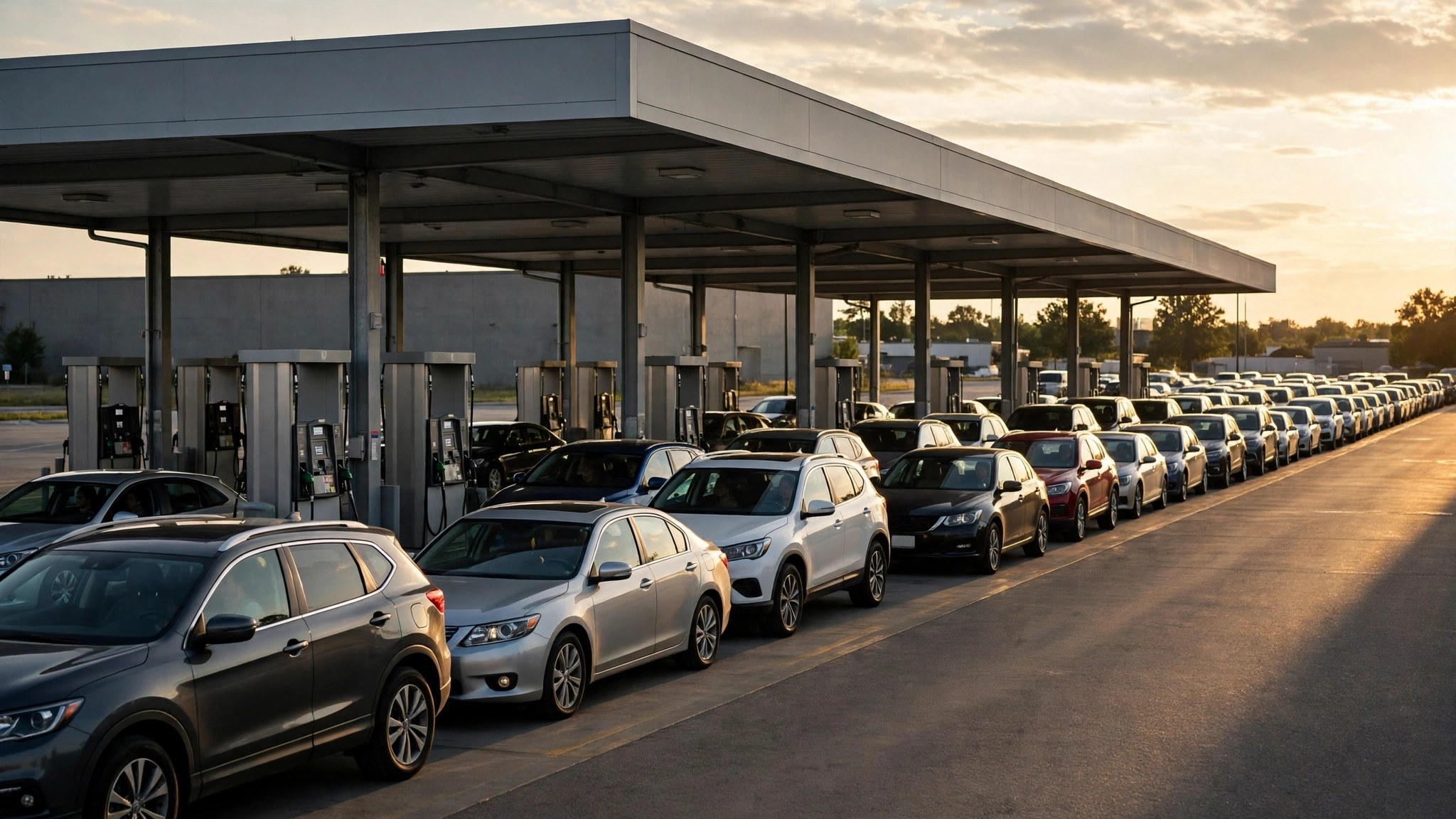
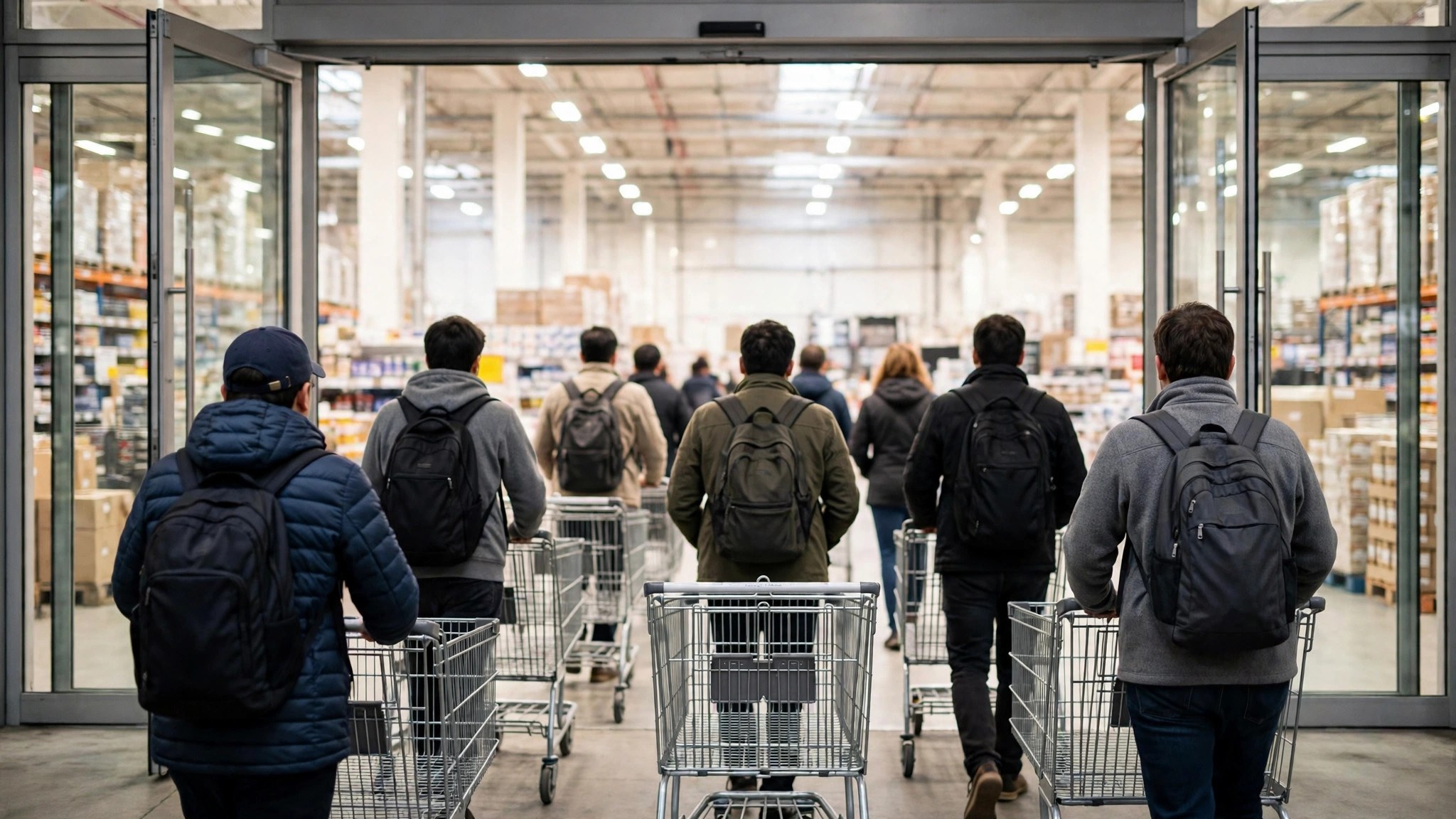
A warehouse trip is three crowds wearing one coat, and the chains differ in how their side-crowds behave. The fuel stations are the clearest case. Costco’s fuel — priced keenly and open long hours — builds queues that can peak before the store does, a commuter morning rush plus a weekend wall. Sam’s Club fuel runs a similar but generally softer curve, tracking its flatter store graph. BJ’s fuel presence varies by location, and where it is absent the trip simply loses that bottleneck — one reason some BJ’s graphs look calmer on weekend mornings.
The food courts spike at mealtimes everywhere, but their weight differs: at destination Costcos the food court is an attraction in itself and stays busy through the afternoon; at Sam’s Club it tracks store traffic more obediently; at BJ’s it behaves most like a supermarket café. The fresh and service departments — bakeries, pharmacies, tyre centres — keep weekday-professional hours at all three, and their Saturday-morning surge is a shared trap for the unbooked.
The planning lesson is to time the trip for its worst component. If you need fuel and a Saturday shop, the fuel queue sets your arrival time, not the floor graph; arrive at opening for the pumps and let the store absorb you afterwards.
Comparing two clubs before joining: a graph method
If you are choosing between memberships, popular times offer a rare like-for-like test, because the graphs are measured the same way at every location:
- Pick the two or three warehouses you would genuinely drive to, one per chain at most.
- For each, screenshot or note the graph for the two days you shop most — typically a weekday and Saturday.
- Compare the bars at your hours, not the peaks. The chain whose graph is lowest at 6 p.m. on your weekday and 10 a.m. on your Saturday is your least crowded club, whatever the national averages say.
- Check the live bar on two or three real shopping occasions before deciding — the graphs give the pattern, the live bars confirm the present.
Households that run this comparison are often surprised: the “busier” chain’s warehouse across town can be the calmer building at the hours that matter to them, simply because its catchment shops at different times.
Which club is “least crowded”?
Members ask this as if it were a league table, but the honest answer is local: the least crowded warehouse is the one whose graph fits your free hours. A Costco member with Tuesday mornings free shops in deeper calm than a Sam’s Club member restricted to Saturday noon, whatever the chains’ averages say. Compare the three graphs nearest you, at the hours you can actually shop, and the winner picks itself.
Frequently asked questions
Do all warehouse clubs peak on Saturday?
Yes — the weekend expedition pattern is structural across the category. Saturday late morning to mid-afternoon is the summit at the great majority of locations of all three chains.
Why does the Sam’s Club graph look flatter than Costco’s?
More locations per member, more small-business and top-up traffic spread through the week, and less of the single-destination weekend surge. The shape follows the membership model.
Can I compare two specific warehouses before joining?
Yes — popular times are public on each location’s Google listing. Comparing the graphs of the warehouses you would actually use is one of the most practical pre-joining checks there is.
Does the live bar work the same at all three?
The mechanism is identical — it appears when enough current visitors are reporting — but thinner-traffic locations show it less consistently, which is a data effect rather than a chain policy.
If I hold two memberships, how do I decide where to go on a given day?
Compare the two live bars an hour before the trip. The chains’ peaks are similar but rarely identical, and on any given Saturday one of your two warehouses will usually be running kinder than the other — sale cycles, local events and weather all push them apart. Dual members who check both listings shop measurably calmer warehouses than single-club loyalists who check none.
The short version
Three chains, one skeleton: weekend summits, midweek troughs, fuel and food-court side-crowds. Costco swings widest between its calm and its chaos, Sam’s Club runs flatter and more forgiving, and BJ’s keeps an eastern, grocery-tinged rhythm of its own. Read each location’s own graph, match it to the hours you actually have, and the warehouse run becomes the easiest big shop of your week. The deeper point travels beyond the clubs: every big-box crowd in this batch’s guides obeys the same logic — a published pattern, a live reading, and a shopper who bothers to check both. The warehouses simply show it at the largest scale, in the clearest bars and the longest queues, which is why they are the best classroom anywhere for learning to read a crowd before you join it.
