
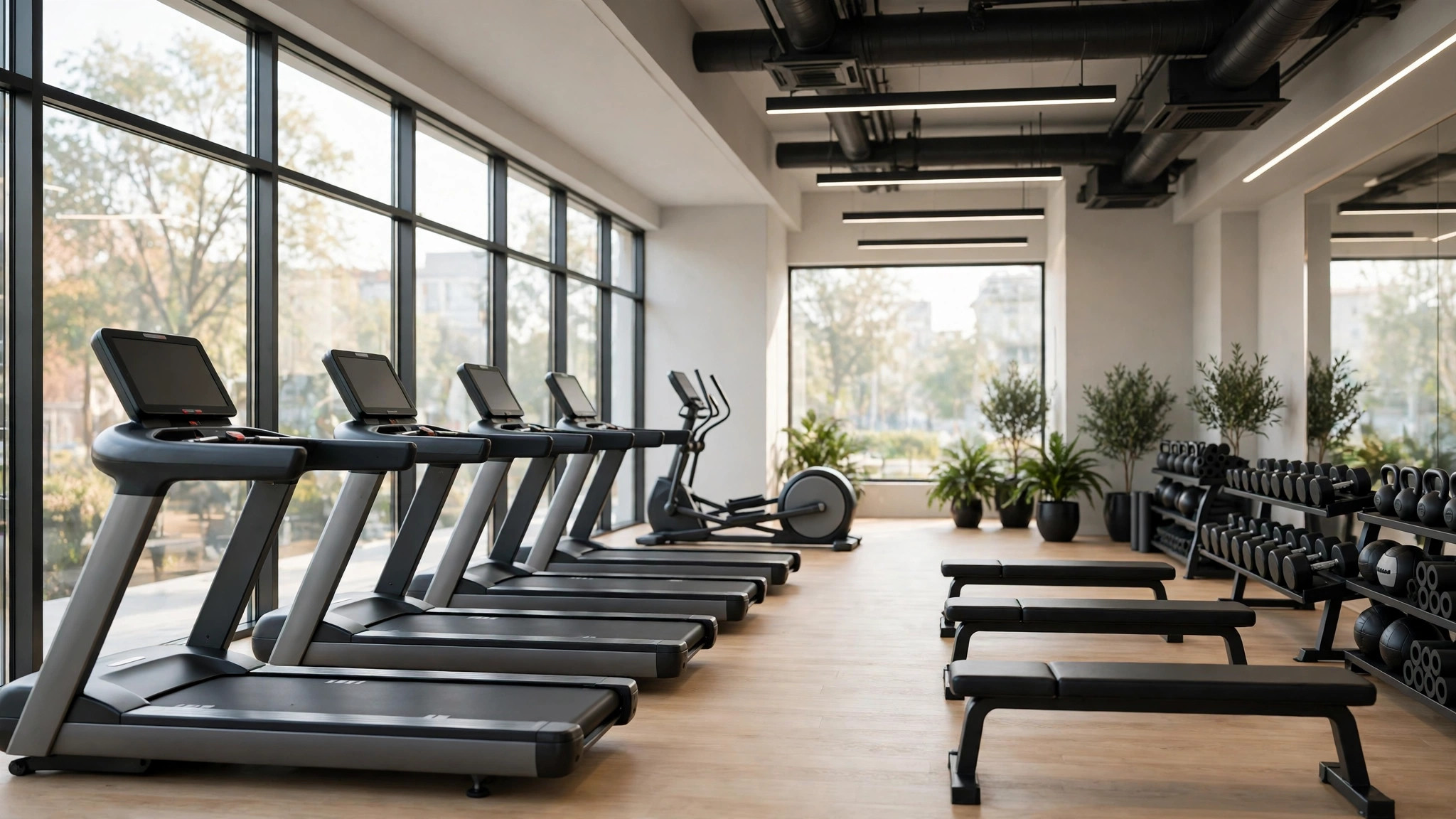
Few things kill a workout faster than arriving at a packed gym where every rack is taken, and that is exactly the problem gym popular times on Google Maps are built to solve. Every gym listing carries a Popular Times graph built from real visit patterns, showing which hours are typically crowded and which are calm — and many busy gyms also show a live bar telling you how busy it is right now. Learn to read that graph once, and you can plan sessions around the crowds instead of competing with them.
This guide walks through the questions people ask most about gym crowds: the least busy hours, the worst peaks, why Mondays explode, and what 5 AM and 7 PM really look like. Treat the patterns as typical patterns — your gym’s own graph, checked on the day, always has the final word. For a deeper look at checking a gym’s live reading before you set out, see our companion guide on checking how busy your gym is right now.
How to read gym popular times on Google Maps
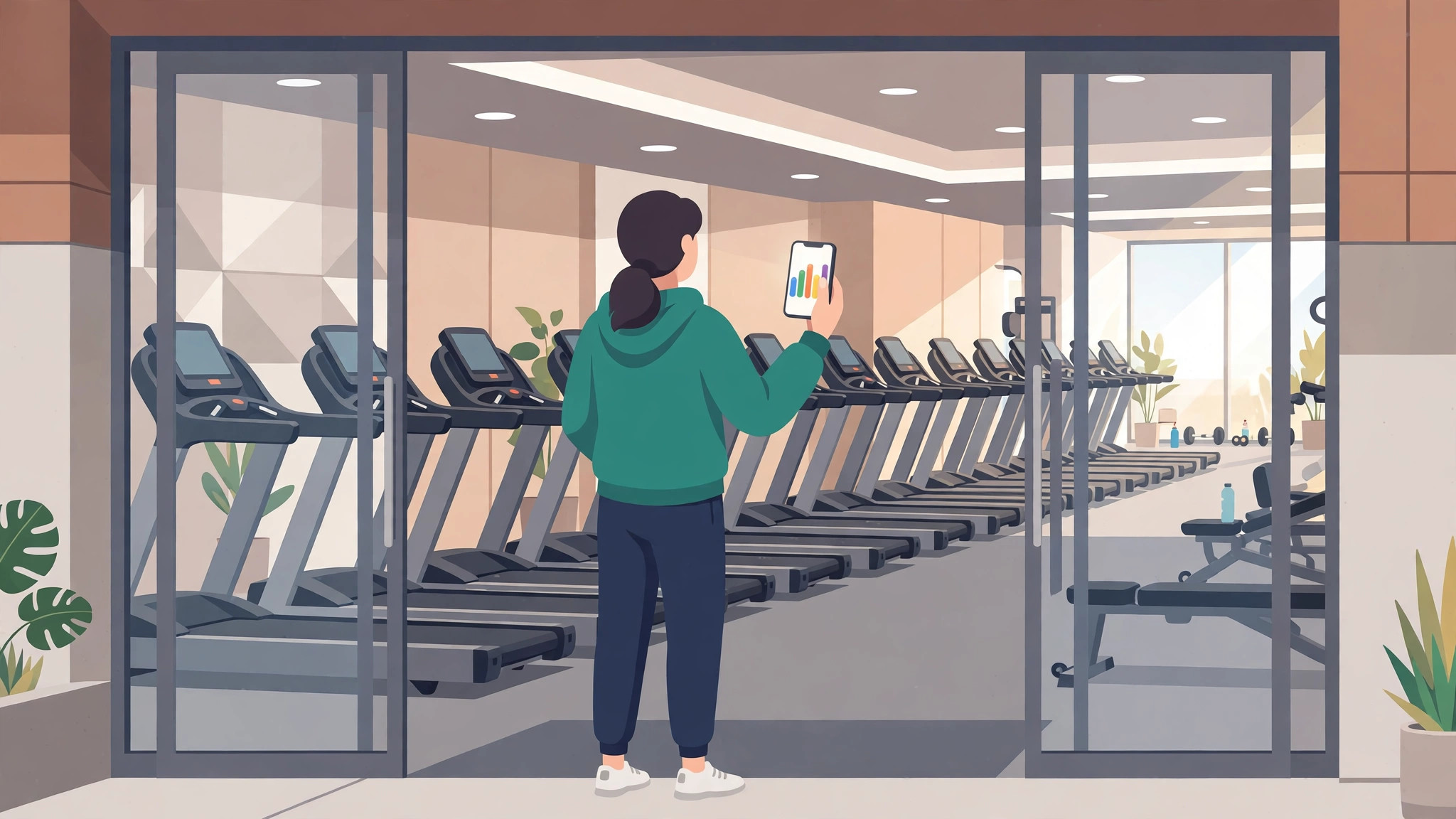
Open your gym’s listing in Google Maps, tap through to its profile and scroll to the Popular Times graph. Pick the day you plan to train. The bars show typical busyness hour by hour; a darker or higher bar means a fuller floor. If a live bar appears, it compares this moment with the usual pattern for that hour and may carry labels such as “usually not busy” or “as busy as it gets”.
Two details make the graph more useful. The visit duration note tells you how long people typically stay — at gyms it is often around an hour or more, which means a peak that starts at 6 PM does not clear the moment the bar dips; the floor empties as sessions end, not as arrivals stop. And the pattern is per-gym: a budget gym near offices, a university gym and a premium club in a residential area can have noticeably different curves, so always check the specific branch you attend. The mechanics behind these graphs are explained in our Busy Area pillar guide.
What time is the gym least busy?
For most gyms, the least busy window on weekdays falls in the late morning to early afternoon, roughly 10 AM to 2 PM, with the deepest lull often around late morning. The morning exercisers have left for work, the lunch crowd is small and brief, and the after-work wave is still hours away. Equipment is free, classes are emptier, and staff have time to help.
Late evening — the last hour or two before closing — is the second quiet window at many gyms, though it suits shorter sessions and depends heavily on closing time. A 24-hour gym adds a third option: the overnight hours are the emptiest of all, for those whose schedule and safety comfort allow them.
The exact lull moves with the gym’s audience. Gyms near offices can spike at lunch instead of dipping. Gyms popular with students dip during class hours and surge in the late afternoon. Your gym’s own graph settles it — look for the shortest bars on your training days and aim there first.
What are the least busy times to go to the gym?
Pulling the whole week together, the least busy times to go to the gym, in rough order of reliability, are:
- Weekday late mornings and early afternoons — the workday lull, and the single most dependable quiet window for most gyms.
- Mid-afternoon on weekdays (about 2 PM–4 PM) — slightly busier than the late-morning lull at gyms near schools or colleges, but still far calmer than any peak.
- Sunday afternoons — after the weekend morning crowd leaves, many gyms drift into a long, quiet stretch.
- Late evenings — the final hour before closing, once the after-work sessions have wound down.
- Saturday afternoons — the morning weekend crowd fades fast after lunch.
The common thread: the gym is quietest when most people are at work, at lunch, or done for the day. If your schedule allows even one session a week to move into the weekday lull, you will feel the difference immediately — no waiting for racks, no queuing for showers, and a calmer floor overall.
What time is gym most crowded?
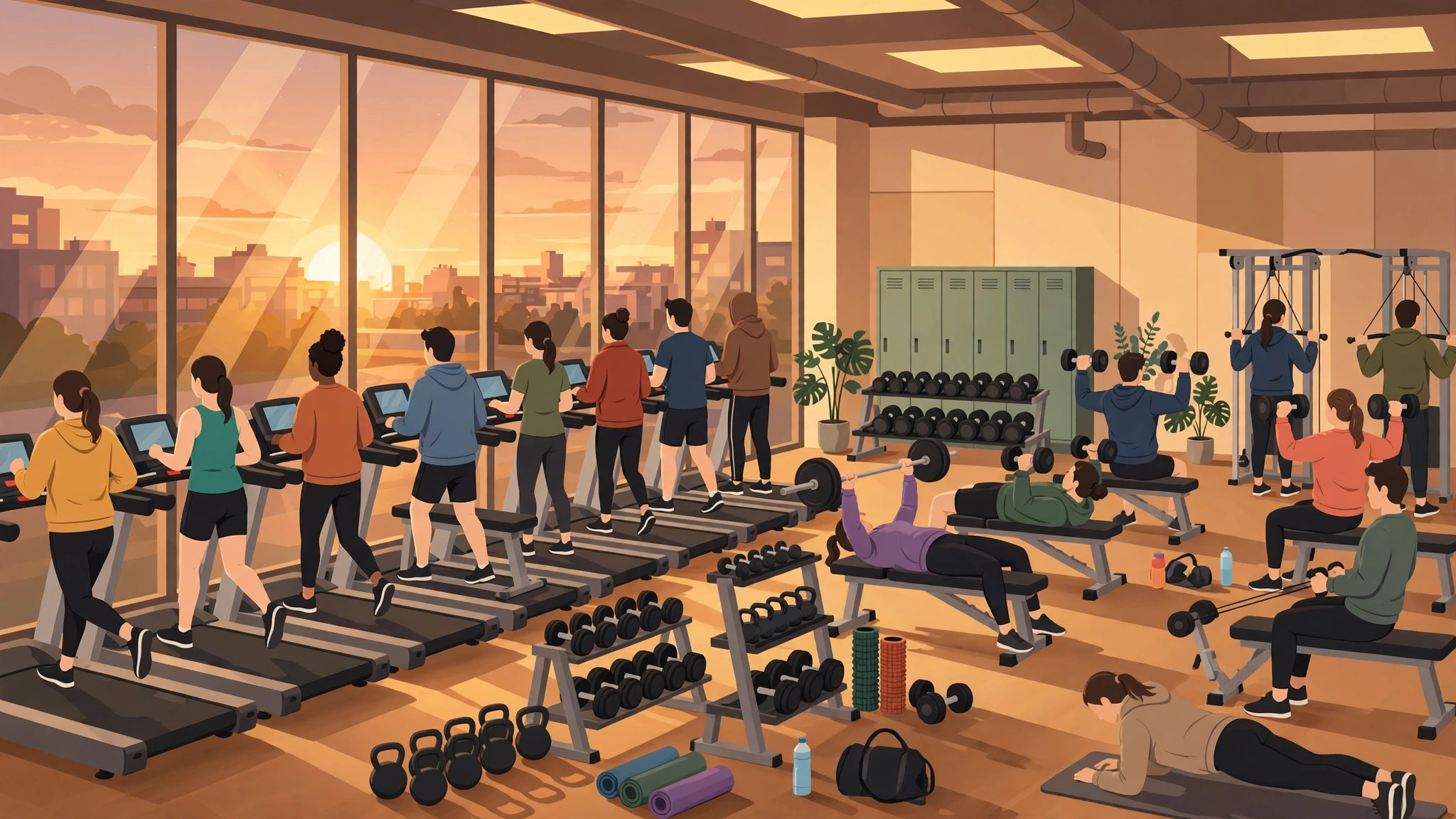
The gym is most crowded during the after-work peak, roughly 5 PM to 8 PM on weekdays, with the sharpest point often around 6 PM to 7 PM. Everyone who could not train in the morning arrives at once, stays for a full session, and concentrates on the same popular equipment — free weights, racks and treadmills.
The second peak is the pre-work morning rush, about 6 AM to 8:30 AM. It is shorter and more disciplined than the evening peak — people are on a clock — but the popular stations still fill.
Weekend mornings, roughly 8 AM to noon, form a third, broader peak. It rarely reaches the weekday evening maximum, but it lasts longer and brings a more social, slower-moving crowd. If you train at any of these times, arrive with a flexible plan: swap exercise order, share equipment politely, and treat the session as a bonus rather than a precision workout.
Why is the gym so busy on Mondays?
Monday’s crowd is real, and the graph for most gyms shows it clearly. Three forces combine:
- Fresh-start psychology. Monday is when good intentions reset. People who drifted off their routine over the weekend — or over several weeks — pick Monday to restart, so attendance spikes beyond the weekly average.
- Weekend compensation. Rich weekend food and rest prompt a “make up for it” session, and Monday is the nearest opportunity.
- Programme structure. Many training plans and class schedules start their week on Monday, concentrating coached sessions and planned workouts on the same day.
The effect fades as the week goes on: Tuesday is still busy, Wednesday settles, and by Friday evening many gym floors feel half-empty. January shows the same pattern at a larger scale — the first Mondays of the year are among the busiest gym days anywhere. If Monday is your only option, go early or late rather than into the 6 PM centre of the peak.
Is the gym busy at 5 AM?
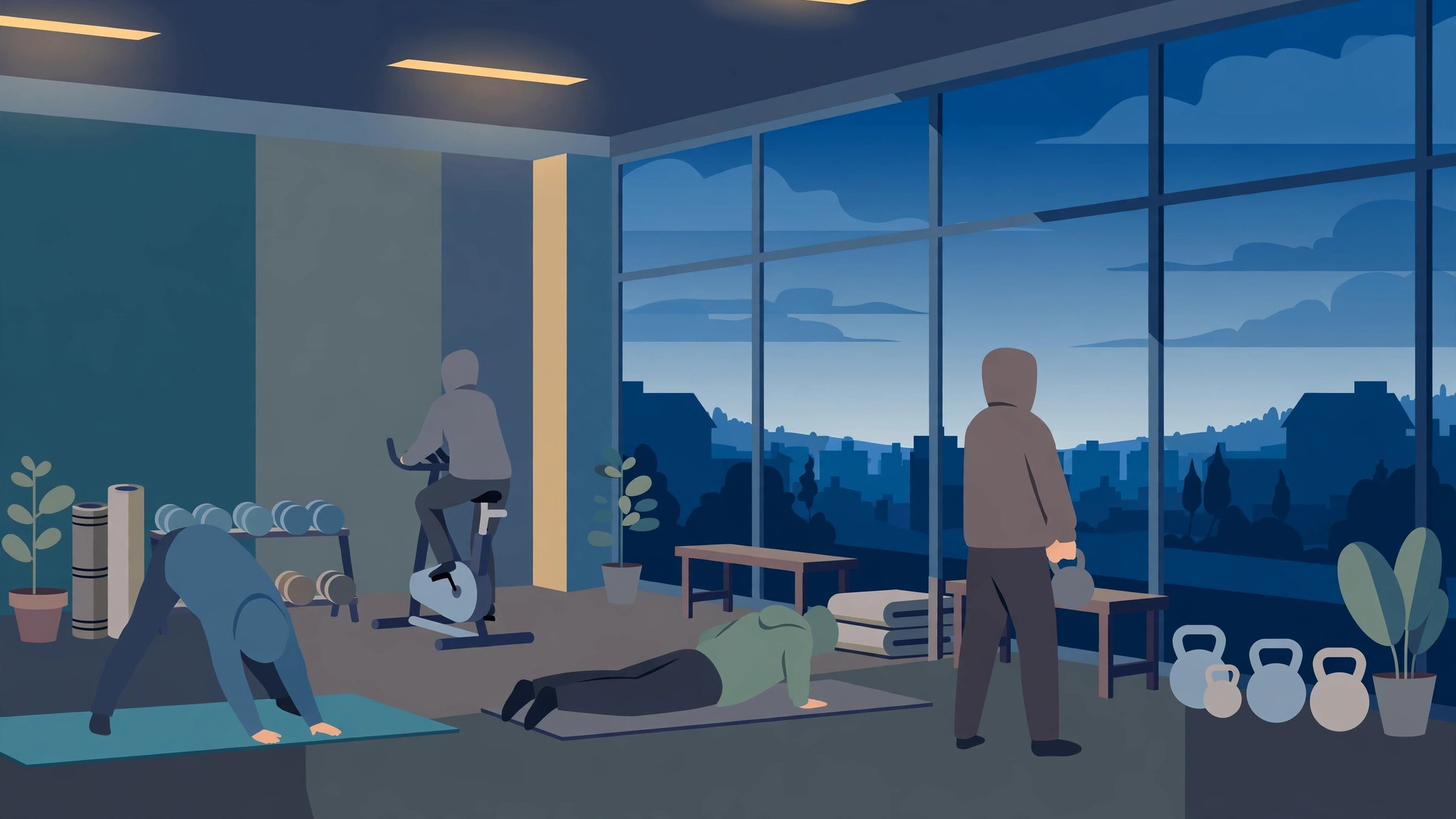
At most gyms, 5 AM is quiet — but it is not empty, and it is getting less empty than it used to be. The 5 AM crowd is a small, committed group: early-shift workers, parents fitting training in before the household wakes, and dedicated lifters who choose that hour precisely because the floor is calm.
What to expect: the gym has just opened or is in its first hour, the most popular equipment is usually free, and the atmosphere is focused rather than social. The one exception is January and other resolution seasons, when the 5 AM club temporarily swells. Check the live bar on a couple of mornings if you are considering the switch — one of the easiest checks on this list, since our guide to whether a place is busy right now shows exactly how the live reading works. If your gym is a 24-hour location, 5 AM sits at the tail of the overnight lull and is about as peaceful as the gym ever gets.

Are gyms busy at 7 PM?
Yes — 7 PM is inside the busiest window of the weekday for most gyms. It is the overlap point where the after-work arrivals are still training, the early-evening class crowd is in full flow, and dinner has not yet pulled people away. Expect competition for racks, benches and popular machines, full classes, and a busy changing room.
There are shades of busy, though. A large gym spreads 7 PM across more equipment and feels manageable; a small neighbourhood gym can feel genuinely saturated. Friday at 7 PM is a different story — noticeably calmer as social plans win. If 7 PM is your slot, strategies that help include training less-contested equipment first, booking classes ahead where the gym allows it, and shifting your longest sessions to a weekend morning or a weekday lull so the 7 PM session can be a shorter top-up.
Are gyms busy on Saturday mornings?
Saturday mornings are busy, but in a different way from weekday evenings. The crowd builds from about 8 AM, peaks through mid-to-late morning, and is made of people with no time pressure: longer sessions, more social training, more time on each station. The floor can look full while actually moving slowly — people rest longer between sets and chat more.
For many members this is a feature, not a bug: Saturday morning is when the gym feels like a community. If you want the equipment rather than the atmosphere, the edges are better — the first hour after opening, or Saturday afternoon once the morning wave has gone home for lunch. Sunday mornings repeat the pattern at a slightly lower level, and Sunday afternoons are often the quietest weekend hours of all.
The January surge and other seasonal waves
One month breaks every gym’s pattern: January, when new-year resolutions fill the floor from the first week and the evening peak stretches later and wider than at any other time of year. The surge fades through February as routines settle, which the graph shows only in hindsight — during January itself, the live reading on the day is the only honest signal. Smaller waves follow the calendar too: pre-summer months build a spring bulge, and the weeks after major festivals dip as members travel. Plan January workouts for the earliest or latest windows of the day, and treat every other month’s graph as the calmer baseline it is.
Frequently asked questions
Does the Popular Times graph match reality at small gyms?
Usually well for typical patterns, since it is built from actual visits. Very small or new gyms may lack a graph until Google has enough data, and one-off events — a class launch, a local challenge — can bend a single day away from the pattern. Google documents how this data is gathered and anonymised in Google Maps Help.
Is the gym busier in January than the graph suggests?
The graph reflects longer-term patterns, so a January surge can exceed it. The live bar, where shown, is your correction for the day.
What’s the best single change to avoid gym crowds?
Move one weekday session out of the 5 PM–8 PM window into the late-morning or early-afternoon lull. Members who do this consistently describe it as training at a different gym.
Conclusion
Gym crowds run on a dependable clock: a pre-work rush, a long midday lull, the big after-work peak, a Monday surge, and lively Saturday mornings. Gym popular times on Google Maps put that clock in front of you for your exact branch — check the graph, pick the lull that fits your life, and use the live bar on the day. The workout is the same; only the waiting disappears.
