
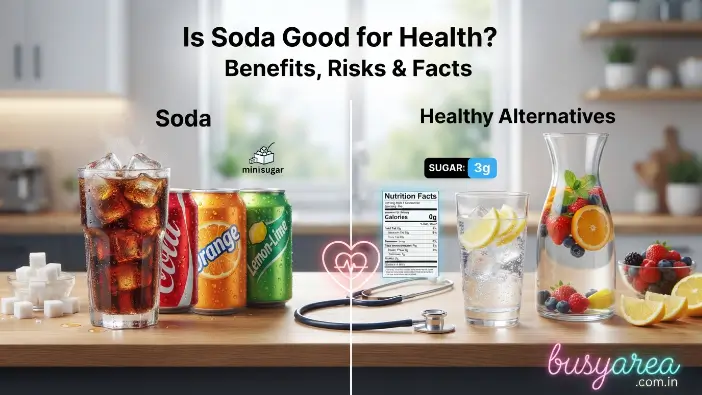
Welcome to Busy Area. Whether you’re enjoying a fizzy cola with a meal or reaching for a refreshing soft drink on a hot day, you’ve probably wondered, “Is soda good for health?” It’s a common question, especially as more people become aware of the impact their daily food and drink choices have on long-term wellness. While soda is one of the most widely consumed beverages worldwide, its nutritional value and health effects remain a topic of ongoing discussion among researchers and healthcare professionals. Understanding what soda contains and how it affects the body is essential for making informed dietary decisions.
The answer to “Is soda good for health?” isn’t as simple as a yes or no. It depends on factors such as the type of soda you drink, how often you consume it, and your overall eating habits. Regular soft drinks are typically high in added sugar and calories, while diet soda and zero-sugar beverages use artificial sweeteners instead. This article explores the nutritional profile of different carbonated beverages, examines their potential benefits and risks, reviews the latest scientific evidence, and offers practical tips to help you make healthier beverage choices without sacrificing enjoyment.
What Is Soda?
Before answering “Is soda good for health?” it’s important to understand what soda actually is. Soda is a flavored beverage made by combining carbonated water with sweeteners, flavorings, acids, and sometimes caffeine or preservatives. The bubbles in soda come from dissolved carbon dioxide, giving it its refreshing fizz. While many people use the terms soft drinks and carbonated beverages interchangeably, there are several different types of soda, each with its own ingredients and nutritional profile. Knowing these differences can help you make informed decisions about your beverage choices and understand how they may affect your health.
Types of Soda
Soda is available in a wide variety of flavors and formulations to suit different consumer preferences. Although all sodas share a carbonated base, they differ in the type of sweetener used, calorie content, caffeine levels, and overall nutritional value. Some are made with traditional sugar, while others use artificial or natural low-calorie sweeteners to reduce calories without sacrificing sweetness.
The most common categories include regular soda, diet soda, zero-sugar soda, and sparkling flavored drinks. Understanding the characteristics of each type is essential when evaluating “is soda good for health,” as the health effects can vary depending on the ingredients and the amount consumed.
Regular Soda
Regular soda is the traditional form of soda that most people recognize. It is sweetened with sugar or high-fructose corn syrup, which gives it its characteristic sweet taste. Popular cola, lemon-lime, orange, and grape sodas all fall into this category. A standard 12-ounce (355 ml) serving typically contains between 140 and 160 calories along with 35 to 40 grams of added sugar, making it one of the largest dietary sources of sugary drinks for many people.
Because regular soda provides significant amounts of sugar without essential nutrients such as vitamins, minerals, or fiber, it is often described as a source of “empty calories.” Drinking it occasionally may fit into a balanced diet, but frequent consumption has been linked to health concerns such as weight gain, tooth decay, and an increased risk of chronic diseases. For this reason, health experts generally recommend limiting the intake of regular soft drinks.
Diet Soda
Diet soda was introduced as a lower-calorie alternative to regular soda for people who wanted the same fizzy taste without the added sugar. Instead of sugar, these beverages use artificial sweeteners such as aspartame, sucralose, saccharin, or acesulfame potassium. As a result, most diet sodas contain little to no calories while maintaining a sweet flavor that closely resembles traditional soda.
Many people choose diet soda to support weight management or reduce their sugar intake. Although replacing sugary beverages with diet options may lower calorie consumption, researchers continue to study the long-term effects of artificial sweeteners on appetite, metabolism, and gut health. Current evidence suggests that diet soda can be a better option than regular sugary drinks for reducing sugar intake, but it should still be consumed in moderation as part of an overall healthy lifestyle.
Zero-Sugar Soda
Zero-sugar soda is a newer category designed to provide a taste that is even closer to regular soda while containing no added sugar. Unlike traditional diet sodas, zero-sugar varieties often use a carefully balanced combination of artificial sweeteners to recreate the flavor profile of the original drink. These products have become increasingly popular among consumers looking to reduce calories without giving up their favorite beverages.
Although zero-sugar sodas eliminate added sugar, they are still processed carbonated beverages that generally offer little nutritional value. They do not provide important nutrients such as vitamins, minerals, or dietary fiber, so they should not replace healthier beverage options like water or milk. When consumed occasionally, zero-sugar soda can be a practical alternative for individuals trying to reduce their intake of regular soda.
Sparkling Flavored Drinks
Sparkling flavored drinks differ from traditional sodas because they are often made with carbonated water and natural or artificial flavors while containing little or no added sugar. Wide varieties are unsweetened, making them a refreshing option for people who enjoy fizzy beverages but want to avoid excessive calories. Some products also include natural fruit essences or a small amount of fruit juice to enhance flavor without significantly increasing sugar content.
Compared with regular soft drinks, unsweetened sparkling flavored drinks are generally considered a healthier choice because they provide hydration without large amounts of sugar or calories. However, it’s still important to read nutrition labels carefully, as some flavored sparkling beverages contain hidden sweeteners or added sugars that can reduce their nutritional benefits. Choosing plain or lightly flavored sparkling water is often the best option for people looking to enjoy carbonated beverages while maintaining a healthier diet.
Read Also: is pasta good for health
Is Soda Good for Health?

The question “Is soda good for health?” has become increasingly important as more people focus on improving their diets and preventing lifestyle-related diseases. Soda is one of the most commonly consumed carbonated beverages worldwide, but its nutritional value varies depending on the type you choose. While regular soda, diet soda, and zero-sugar options differ in ingredients and calorie content, none of them provide the essential nutrients found in truly healthy beverages. To determine whether soda deserves a place in a balanced diet, it’s important to look at both its potential benefits and its possible health risks.
The Short Answer
The short answer to “Is soda good for health?” is that regular soda is generally not considered a healthy beverage. Most regular soft drinks are high in added sugar and calories while providing virtually no vitamins, minerals, fiber, or other nutrients that support overall health. Drinking soda occasionally is unlikely to cause significant harm for most healthy individuals, but making it a daily habit can increase the risk of several chronic health conditions over time.
That said, not all sodas have the same nutritional profile. Diet soda and zero-sugar varieties contain little or no sugar and fewer calories than traditional sugary drinks, making them a better choice for people trying to reduce calorie intake. However, these alternatives still do not offer meaningful nutritional benefits and should not replace healthier drinks such as water, milk, or unsweetened tea. Moderation remains the key to maintaining a balanced and healthy diet.
Are There Any Benefits?
Although soda is not classified as a nutritious drink, it may provide a few short-term benefits in specific situations. The sugar found in regular soda can offer a quick source of energy, which may temporarily help during periods of low blood sugar or intense physical activity. Likewise, the caffeine in many cola beverages can improve alertness, concentration, and mental performance for a short period. The carbonation also creates a refreshing sensation that many people find enjoyable, making soda a popular beverage for social gatherings and meals.
However, these advantages are relatively limited and do not outweigh the potential health risks associated with frequent consumption. There are healthier ways to gain energy and improve focus, such as eating nutrient-rich foods, staying hydrated, and getting enough sleep. Similarly, if you enjoy fizzy drinks, unsweetened sparkling water can provide the same refreshing carbonation without the excess sugar or calories commonly found in sugary drinks. As a result, soda should be viewed as an occasional treat rather than a regular part of a healthy eating pattern.
Why Soda Isn’t Considered a Healthy Beverage
Health professionals generally agree that soda is not a healthy beverage because it contributes calories without providing essential nutrients. Regular soft drinks are often described as sources of “empty calories” because they contain high levels of added sugar but almost no vitamins, minerals, protein, or dietary fiber. Unlike nutrient-dense foods and beverages that support growth, immunity, and overall wellness, soda offers little nutritional value while increasing total daily sugar intake.
Another reason soda is not considered healthy is its association with long-term health problems when consumed in excess. Regular consumption of sugary drinks has been linked to weight gain, obesity, type 2 diabetes, tooth decay, heart disease, and fatty liver disease. Even though diet soda eliminates sugar, it remains a highly processed beverage and does not provide the nutritional benefits of water, milk, or naturally flavored drinks. For these reasons, most nutrition experts recommend limiting soda consumption and choosing healthier beverage options whenever possible.
Nutritional Value of Soda
Understanding the nutritional value of soda is essential when evaluating is soda is good for health.” While soda is widely consumed around the world, its nutritional profile is generally poor compared to whole foods and healthier beverages. Most regular soft drinks are high in calories and added sugar but contain little to no essential nutrients. In business contrast, diet soda and zero-sugar varieties eliminate sugar and significantly reduce calories by using artificial sweeteners, yet they still provide minimal nutritional value. The table below compares the average nutritional content of regular soda and diet soda per 12-ounce (355 ml) serving.
| Nutrient | Regular Soda (12 oz / 355 ml) | Diet Soda (12 oz / 355 ml) |
| Calories | 140–160 kcal | 0–10 kcal |
| Total Sugar | 35–40 g | 0 g |
| Added Sugar | 35–40 g | 0 g |
| Carbohydrates | 39–41 g | 0–3 g |
| Protein | 0 g | 0 g |
| Total Fat | 0 g | 0 g |
| Saturated Fat | 0 g | 0 g |
| Dietary Fiber | 0 g | 0 g |
| Sodium | 15–50 mg | 20–60 mg |
| Potassium | 0–10 mg | 0–20 mg |
| Calcium | 0–5 mg | 0–5 mg |
| Vitamin D | 0% DV | 0% DV |
| Vitamin C | 0% DV | 0% DV |
| Caffeine* | 30–45 mg | 30–45 mg |
| Artificial Sweeteners | None | Aspartame, Sucralose, Acesulfame K (varies by brand) |
*Note: Caffeine content varies depending on the brand and flavor. Some sodas are caffeine-free.
Health Risks of Drinking Soda Regularly
Drinking soda regularly can have significant effects on overall well-being, which is why many people ask, “Is soda good for health?” Although enjoying an occasional soda is unlikely to cause serious harm, making it a daily habit may increase the risk of several chronic diseases. Regular soft drinks are often loaded with added sugar, contributing to excess sugar intake that can negatively affect metabolic health. Over time, frequent soda consumption has been associated with insulin resistance, weight gain, and other health complications, making moderation an important part of maintaining a balanced diet.
Health Risks
- Regular soda consumption increases daily calorie intake, making it easier to gain weight and develop obesity over time.
- High amounts of added sugar may contribute to insulin resistance, increasing the risk of developing type 2 diabetes.
- Frequent exposure to sugary and acidic drinks can weaken tooth enamel, leading to cavities and long-term dental problems.
- Drinking excessive amounts of soda has been linked to a higher risk of heart disease and poor cardiovascular health.
- Consuming too much fructose from soda may promote fat accumulation in the liver, increasing fatty liver disease risk.
- High intake of sugary drinks may place additional strain on the kidneys and increase the likelihood of kidney disease.
- Some studies suggest excessive cola consumption may negatively affect bone density, especially when replacing calcium-rich beverages.
- Regular intake of excess sugar can disrupt metabolic health and contribute to chronic inflammation throughout the body.
- Sweet-tasting beverages may increase cravings for sugary foods, making it harder to maintain healthy eating habits.
- Replacing water and other nutritious drinks with soda reduces overall diet quality and limits essential nutrient intake.
Is Diet Soda a Healthier Choice?
When discussing “is soda good for health,” one of the most common follow-up questions is whether diet soda is a healthier alternative to regular soda. Because diet soda contains little or no sugar and significantly fewer calories, many people choose it to reduce their intake of sugary drinks. However, replacing sugar with artificial sweeteners does not automatically make a beverage healthy. Understanding how these sweeteners work, what current research says, and who may benefit from choosing diet soda can help you make a more informed decision.
Artificial Sweeteners Explained
Artificial sweeteners are sugar substitutes used to provide sweetness without adding significant calories. Common sweeteners found in diet soda include aspartame, sucralose, saccharin, acesulfame potassium, and stevia-based sweeteners in some products. These ingredients are much sweeter than table sugar, allowing manufacturers to use only very small amounts while maintaining the familiar taste of traditional soda.
Unlike regular soft drinks, diet soda contains little or no added sugar, making it an attractive option for people trying to reduce calorie consumption. Although these sweeteners are approved by food safety authorities when consumed within recommended limits, they do not provide vitamins, minerals, or other nutrients that contribute to a healthy diet. Their primary purpose is to reduce sugar intake while preserving flavor.
Current Scientific Evidence
Scientific research suggests that replacing regular soda with diet soda can help reduce calorie and sugar intake, especially for individuals who frequently consume sugary drinks. Health organizations generally agree that switching from sugar-sweetened beverages to diet versions may support weight management and improve blood sugar control when combined with an overall healthy lifestyle.
However, studies examining the long-term effects of artificial sweeteners have produced mixed findings. While many clinical trials indicate that approved sweeteners are safe within acceptable daily intake levels, some observational studies have reported possible associations with changes in appetite, gut microbiota, and long-term metabolic outcomes. Researchers continue to investigate these relationships, and more high-quality evidence is needed before drawing definitive conclusions.
Potential Benefits
One of the biggest advantages of diet soda is its ability to reduce overall calorie intake without sacrificing sweetness. For individuals trying to lose weight or maintain a healthy body weight, replacing regular soda with a sugar-free alternative may help decrease daily energy consumption. This can be particularly beneficial for people who previously consumed multiple servings of sugary beverages each day.
Another potential benefit is improved blood sugar management. Since diet soda contains little or no sugar, it does not produce the same rapid increase in blood glucose levels as regular soda. For some individuals with diabetes or those monitoring their sugar intake, diet soda may serve as an occasional alternative while they transition toward healthier beverages such as water or unsweetened tea.
Possible Concerns
Although diet soda contains fewer calories than regular soda, it is still considered a highly processed beverage. Some researchers have raised questions about whether frequent consumption of artificial sweeteners may influence appetite, food preferences, or cravings for sweet foods. While evidence remains inconsistent, relying heavily on sweetened beverages—whether sugary or sugar-free—may make it more difficult to develop healthier eating habits.
Another concern is that people may mistakenly view diet soda as a “healthy” drink simply because it is sugar-free. In reality, it provides very little nutritional value and should not replace water, milk, or other nutrient-rich beverages. Drinking large amounts of diet soda while neglecting healthier options may reduce overall diet quality, even if calorie intake is lower.
Who Should Choose Diet Soda?
Diet soda may be a reasonable choice for adults who regularly drink sugar-sweetened beverages and want to reduce their intake of added sugar and calories. For individuals trying to lose weight, manage diabetes, or improve blood sugar control, replacing regular soda with a diet version can be a helpful short-term strategy when combined with balanced nutrition and regular physical activity.
However, diet soda is not necessary for everyone and should not become the primary source of hydration. Water remains the healthiest beverage for most people because it supports normal body functions without adding calories, sugar, or artificial ingredients. If you enjoy fizzy drinks, alternating diet soda with sparkling water or other unsweetened beverages can help reduce dependence on sweet flavors while supporting a healthier lifestyle. Ultimately, when considering “is soda good for health,” the healthiest approach is to limit both regular and diet sodas and prioritize nutrient-rich beverage choices whenever possible.
Can Soda Ever Be Part of a Healthy Diet?
Although many health experts advise limiting soda consumption, this does not necessarily mean it must be eliminated from every diet. When discussing “is soda good for health,” the key factor is how much and how often it is consumed. A balanced eating pattern focuses on overall dietary habits rather than a single food or drink. While regular soft drinks and other carbonated beverages offer little nutritional value, enjoying them occasionally as part of an otherwise healthy lifestyle is generally considered acceptable for most healthy adults.
Moderation Matters
Moderation is one of the most important principles of healthy eating. Drinking soda once in a while is unlikely to have a major impact on your health if your overall diet is rich in fruits, vegetables, whole grains, lean proteins, and healthy fats. Problems usually arise when soda becomes a daily habit or replaces healthier beverages such as water, milk, or unsweetened tea. Limiting the frequency and portion size of sugary drinks can help reduce unnecessary calorie and sugar intake.
Practicing moderation also means paying attention to serving sizes. Many bottled or fountain sodas contain more than one serving, making it easy to consume far more added sugar than intended. Choosing a smaller serving, sharing a drink, or reserving soda for special occasions can help you enjoy it without significantly affecting your overall nutrition. These simple habits support better long-term health while allowing room for occasional treats.
Recommended Sugar Intake
Health organizations recommend limiting added sugar because excessive consumption is linked to weight gain, heart disease, and type 2 diabetes. According to dietary guidelines, added sugars should make up less than 10% of your total daily calorie intake. The American Heart Association goes even further, suggesting that most women consume no more than 25 grams (6 teaspoons) of added sugar per day and most men no more than 36 grams (9 teaspoons).
A single 12-ounce can of regular soda often contains 35 to 40 grams of sugar, which can meet or even exceed the recommended daily limit in just one serving. This is one of the main reasons nutrition experts encourage people to reduce their intake of soft drinks and choose healthier beverages more often. Monitoring nutrition labels can help you stay within recommended sugar limits while making more informed beverage choices.
Occasional vs Daily Drinking
There is a significant difference between drinking soda occasionally and consuming it every day. Having a soda once in a while, especially during celebrations or social events, is unlikely to negatively affect your health if the rest of your diet is balanced and nutritious. Occasional consumption allows you to enjoy your favorite beverage without consistently exposing your body to high amounts of sugar and empty calories.
Daily soda consumption, however, can gradually contribute to excessive calorie intake, poor dietary quality, and an increased risk of chronic diseases. Replacing water and other nutrient-rich drinks with carbonated beverages may also reduce your intake of essential nutrients needed for overall wellness. When considering “is soda good for health,” the evidence suggests that moderation is the healthiest approach. Choosing soda as an occasional indulgence rather than an everyday drink allows you to enjoy it while minimizing its potential health risks.
Tips to Reduce Soda Consumption
If you’ve been wondering “is soda good for health,” reducing your soda intake is one of the simplest steps you can take to improve your overall well-being. Regular consumption of soft drinks and other sugary drinks can increase your intake of calories and added sugar, making it more difficult to maintain a balanced diet. Fortunately, you don’t have to quit soda overnight. Small, consistent changes can help you build healthier habits, reduce cravings, and make it easier to replace carbonated beverages with more nutritious alternatives over time.
Tips to Reduce
- Reduce soda intake gradually by decreasing the number of servings each week instead of quitting suddenly to improve long-term success.
- Replace one soda each day with water, herbal tea, or sparkling water to build healthier beverage habits over time.
- Read nutrition labels carefully to identify hidden sugars, calorie content, caffeine levels, and serving sizes before purchasing any beverage.
- Choose smaller cans or bottles to naturally reduce portion sizes and limit your daily intake of added sugar.
- Keep a reusable water bottle nearby to stay hydrated and reduce the temptation to reach for soft drinks.
- Flavor plain water with fresh fruits, cucumber, mint, or lemon to create a refreshing alternative to sugary drinks.
- Handle caffeine withdrawal gradually by switching to lower-caffeine beverages before eliminating caffeinated soda from your daily routine.
- Avoid stocking your home with soda, making healthier beverage choices more convenient and reducing impulse consumption throughout the week.
- Pair meals with water or unsweetened beverages instead of carbonated beverages to reduce unnecessary calorie and sugar intake consistently.
- Celebrate small milestones and track your progress to stay motivated while developing healthier, long-lasting drinking habits.
Frequently Asked Questions
Is “Is soda good for health?” a common concern?
Yes. Most experts agree that soda should be consumed in moderation because regular soft drinks are high in added sugar and provide little nutritional value.
Is diet soda healthier than regular soda?
Diet soda contains fewer calories and no sugar, but it is still not as healthy as water or other nutritious beverages.
Can drinking soda every day be harmful?
Yes. Daily consumption of sugary drinks may increase the risk of obesity, type 2 diabetes, heart disease, and tooth decay.
Is sparkling water better than soda?
Yes. Plain sparkling water is a healthier carbonated beverage because it contains no added sugar or calories.
How can I reduce my soda intake?
Gradually replace soda with water or other healthy drinks, read nutrition labels, and limit soda to occasional consumption.
Conclusion
After examining the evidence, it’s clear that “Is soda good for health?” does not have a simple yes-or-no answer. While drinking soda occasionally is unlikely to cause significant harm for most healthy adults, regular consumption of soft drinks and other sugary drinks can increase the risk of weight gain, type 2 diabetes, tooth decay, heart disease, and other health concerns. Additionally, soda provides very little nutritional value, making it a poor substitute for healthier beverage choices.
The key to enjoying soda responsibly is moderation. Limiting your intake of carbonated beverages, monitoring your added sugar consumption, and choosing water, herbal tea, or other nutrient-rich drinks most of the time can help support long-term health. Whether you prefer regular or diet soda, making informed choices and maintaining a balanced lifestyle are the best ways to protect your overall well-being while still enjoying your favorite beverages occasionally.
