
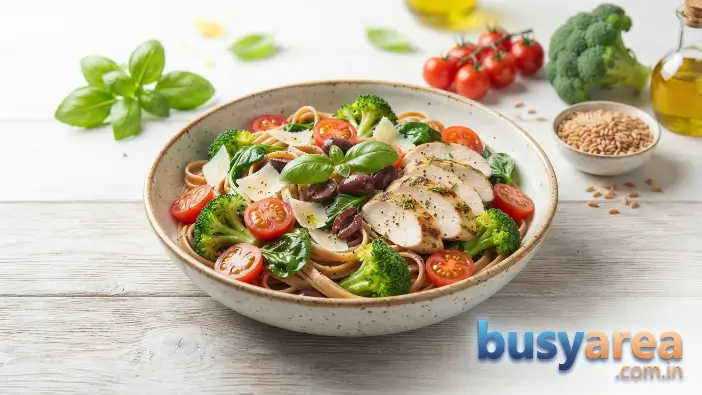
Welcome to Busy Area. If you’ve ever wondered is pasta good for health, you’re not alone. Pasta is one of the most widely consumed foods around the world, yet it often sparks debate among nutrition experts and health-conscious individuals. Some people avoid it because they believe carbohydrates automatically lead to weight gain, while others include them regularly as part of a balanced eating plan. The reality is much more nuanced. Whether pasta is a healthy choice depends on several factors, including the type of pasta you eat, your portion size, how it’s prepared, and the foods you pair it with. Understanding its nutritional profile can help you make informed choices rather than relying on common myths or diet trends.
Pasta can provide valuable nutrients and long-lasting energy when enjoyed in moderation and combined with wholesome ingredients. Traditional pasta supplies complex carbohydrates that fuel your body, while whole wheat pasta and high-protein pasta offer additional fiber and protein to support fullness and digestive health. Pairing pasta with lean protein, colorful vegetables, healthy fats, and nutrient-rich sauces creates a satisfying meal that fits into many healthy eating patterns, including the Mediterranean diet. In this guide, you’ll discovwhether the science behind is pasta good for health, explore its nutritional benefits and potential drawbacks, compare different types of pasta, and learn practical tips to enjoy it as part of a balanced lifestyle.
Is Pasta Good for Health?
The simple answer to is pasta is good for health is yes, it can be a nutritious part of your meals when eaten in moderation and prepared wisely. Despite its reputation as a high-carbohydrate food, pasta is not inherently unhealthy. Scientific research shows that its impact on your health depends on factors such as the type of pasta you choose, the portion size you eat, and the ingredients you pair it with. For example, healthy pasta options like whole wheat or legume-based varieties provide more fiber and protein than refined pasta, helping you stay fuller for longer. Likewise, combining pasta with vegetables, lean protein, and healthy fats creates a more balanced diet that supports overall wellness. Understanding pasta nutrition also reveals that pasta supplies essential vitamins, minerals, and carbohydrates, which are the body’s primary source of energy. Instead of eliminating pasta from your diet, evidence-based nutrition encourages choosing higher-quality ingredients, controlling portions, and building balanced meals that fit your individual health goals.
What Makes Pasta Nutritious?
To understand is pasta good for health, it’s important to look beyond its reputation as a carbohydrate-rich food and examine what it actually provides. Pasta contains several essential nutrients that support the body’s daily functions, including energy production, muscle maintenance, and overall health.
Its nutritional value varies depending on whether you choose traditional or whole wheat pasta, but both types can fit into a healthy eating pattern when eaten in appropriate portions. Learning about pasta nutrition helps you make informed choices and build meals that are both satisfying and nutritious.
Nutritional Value of Pasta
Pasta is best known for its carbohydrate content, but it also contains several other important nutrients that contribute to a balanced diet. A typical serving of cooked pasta provides around 200 calories, making it a moderate-energy food that fuels your daily activities. The carbohydrates in pasta serve as the body’s preferred energy source, supplying the brain and muscles with the fuel they need for normal function. In addition to carbohydrates, pasta contains a moderate amount of protein, which supports muscle growth, tissue repair, and overall body maintenance. While regular pasta is widely low in fat, many enriched varieties also provide essential nutrients that improve their overall nutritional profile.
Another valuable component of pasta is its fiber content, especially in whole wheat pasta. Fiber helps support healthy digestion, promotes a feeling of fullness, and may contribute to better blood sugar and cholesterol management. Pasta also supplies important vitamins and minerals, including B vitamins such as thiamin, riboflavin, niacin, and folate, which help convert food into energy and support healthy cell function. Minerals like iron play an essential role in oxygen transport throughout the body. Although pasta should not be your only source of nutrients, it can be a valuable part of a balanced meal when paired with vegetables, lean proteins, and healthy fats.
Refined vs Whole Wheat Pasta
Choosing between refined pasta and whole wheat pasta can significantly influence the nutritional quality of your meal. Refined pasta is made from processed wheat flour, which removes much of the bran and germ during manufacturing. This process gives the pasta a softer texture and lighter color but also reduces its natural fiber and nutrient content. Although many refined pasta products are enriched with vitamins and minerals, they still contain less fiber than whole wheat varieties, which means they may not keep you feeling full for as long.
| Feature | Refined Pasta | Whole Wheat Pasta |
| Processing | Made from refined wheat flour | Made from the entire wheat grain |
| Calories | Similar | Similar |
| Carbohydrates | High | High |
| Fiber | Low | High |
| Protein | Moderate | Slightly Higher |
| Vitamins | Often enriched | Naturally higher in nutrients |
| Minerals | Enriched with iron and B vitamins | Naturally rich in iron, magnesium, and zinc |
| Satiety | Moderate | Higher due to more fiber |
| Best For | Occasional meals | Everyday healthy eating |
Health Benefits of Pasta
Understanding that pasta is good for health becomes easier when you examine the many nutritional benefits pasta can provide as part of a balanced eating pattern. Although often criticized because of its carbohydrate content, pasta can support overall wellness when consumed in appropriate portions and paired with nutritious ingredients. It supplies complex carbohydrates that provide steady energy, along with vitamins, minerals, and protein that contribute to daily body functions. Choosing whole-grain or legume-based varieties further increases fiber and nutrient intake, making pasta an even healthier option. When incorporated into the Mediterranean diet and served with vegetables, lean protein, and healthy fats, pasta becomes a satisfying meal that supports long-term health rather than harming it.
- Pasta provides slow-release carbohydrates that deliver steady energy, helping fuel the brain, muscles, and daily physical activities without rapid crashes.
- Rich in healthy carbs, pasta replenishes glycogen stores, making it an excellent meal choice for active individuals and endurance athletes.
- Whole wheat pasta contains dietary fiber that supports digestion, encourages beneficial gut bacteria, and promotes regular bowel movements for better health.
- Higher-fiber pasta varieties help increase fullness, reducing unnecessary snacking and supporting healthy weight management when portions remain appropriate and balanced.
- Pasta can contribute to heart health when paired with vegetables, olive oil, legumes, and lean proteins instead of high-fat cream sauces.
- Enriched pasta supplies essential B vitamins, supporting energy metabolism, healthy nerves, red blood cell production, and overall cellular function every day.
- Iron found in many pasta varieties helps transport oxygen throughout the body, reducing fatigue and supporting healthy physical and mental performance.
- Choosing pasta made from whole grains increases intake of antioxidants, minerals, and plant compounds that contribute to long-term wellness and disease prevention.
- Pasta naturally fits within the Mediterranean diet, emphasizing balanced meals with vegetables, seafood, legumes, herbs, and heart-healthy olive oil for nutrition.
- Enjoying pasta alongside lean proteins and colorful vegetables creates balanced meals rich in complex carbohydrates, fiber, vitamins, and lasting nourishment.
Read Also: is soya chunks good for health
Is Pasta Good for Weight Loss?
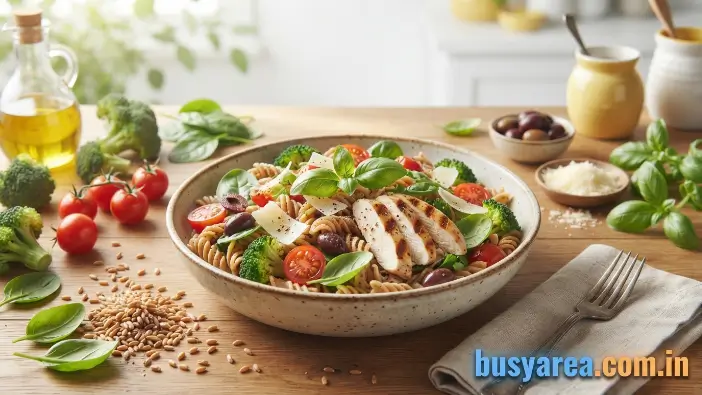
Many people assume they must eliminate pasta to lose weight, but that’s a common misconception. The answer to is pasta is good for health and weight management depends more on how you prepare and serve it than on the pasta itself. Pasta can fit into a calorie-controlled eating plan when consumed in sensible portions and paired with nutrient-rich foods. Choosing whole wheat pasta or other high-fiber varieties, adding lean protein, and including plenty of vegetables can increase fullness while helping you maintain a balanced calorie intake. Rather than avoiding pasta completely, focusing on quality ingredients and mindful eating is a more sustainable approach to healthy weight loss.
Portion Size Matters
One of the biggest reasons pasta is linked to weight gain is oversized portions rather than the food itself. A standard serving is about 1 cup of cooked pasta or approximately 75–100 grams of dry pasta before cooking. Many restaurant meals contain two to four servings in a single plate, making it easy to consume far more calories than intended. Measuring portions before cooking helps you stay within your daily calorie goals while still enjoying your favorite meals.
Pairing a moderate serving of pasta with vegetables and lean protein creates a filling meal without excessive calories. A simple way to build a balanced plate is to fill half with vegetables, one-quarter with pasta, and one-quarter with protein such as grilled chicken, fish, tofu, or beans. This approach improves satiety, supports healthy digestion, and makes pasta suitable for long-term weight management.
Choose Better Ingredients
The ingredients you combine with pasta have a greater impact on its nutritional value than the pasta alone. Choosing whole wheat pasta or legume-based pasta increases fiber and protein, helping you feel satisfied for longer. Replacing heavy cream sauces with tomato-based sauces, olive oil, garlic, herbs, or homemade vegetable sauces can significantly reduce saturated fat and calorie intake while adding more vitamins and antioxidants.
Adding nutrient-dense ingredients also transforms pasta into a balanced meal. Include vegetables such as spinach, broccoli, zucchini, mushrooms, bell peppers, tomatoes, and carrots to increase fiber and micronutrients. Combining these with lean protein sources like grilled chicken, shrimp, turkey, lentils, or chickpeas creates a nutritious meal that supports weight-loss goals without sacrificing flavor.
Best Pasta Meals for Weight Loss
Healthy pasta meals should combine moderate portions, high-quality ingredients, and balanced nutrition. Choosing recipes rich in vegetables, protein, and healthy fats helps keep you full while providing essential nutrients. Whole wheat pasta and legume-based pasta work particularly well because they contain more fiber and protein than traditional refined pasta, making them excellent choices for calorie-conscious meals.
Here are some practical pasta meal ideas for weight loss:
- Whole wheat pasta with grilled chicken, spinach, and cherry tomatoes.
- Chickpea pasta with roasted vegetables and marinara sauce.
- Lentil pasta with mushrooms, broccoli, and garlic.
- Shrimp pasta tossed with zucchini noodles and olive oil.
- Whole wheat pasta salad with tuna, cucumber, tomatoes, and fresh herbs.
- Vegetable pasta with tofu, peppers, onions, and a light tomato sauce.
These meals provide a balanced combination of complex carbohydrates, protein, healthy fats, and vegetables, helping you enjoy pasta while supporting your overall weight-loss journey.
Is Pasta Good for People With Diabetes?
Many people with diabetes believe they need to eliminate pasta, but that is not always necessary. The answer to is pasta is good for people with diabetes depends on the type of pasta, portion size, cooking method, and the overall balance of the meal. Pasta contains complex carbohydrates, which affect blood sugar levels, but choosing higher-fiber options and pairing them with protein and healthy fats can help slow digestion and reduce blood sugar spikes. With thoughtful meal planning, pasta can remain part of a healthy, diabetes-friendly diet.
Glycemic Index Explained
The glycemic index (GI) is a system that ranks carbohydrate-containing foods based on how quickly they raise blood sugar levels after eating. Foods with a lower GI are digested more slowly, leading to a gradual release of glucose into the bloodstream. Since pasta contains complex carbohydrates, its glycemic impact varies depending on the type of pasta and how it is prepared.
Cooking pasta al dente, firm to the bite, can slightly lower its glycemic response because it takes longer to digest than overcooked pasta. Whole grain and legume-based pastas also have a lower glycemic impact than traditional refined varieties because they contain more fiber and protein. Pairing pasta with vegetables, lean protein, and healthy fats further helps slow digestion and promotes more stable blood sugar levels.
Best Pasta Choices
Choosing the right type of pasta can make a significant difference in blood sugar management. Pasta varieties that contain more fiber and protein digest more slowly, helping improve fullness and reduce rapid increases in blood glucose. Selecting nutrient-dense options also supports overall health while allowing you to continue enjoying pasta as part of a balanced meal.
The following pasta options are among the best choices for people with diabetes:
- Whole wheat pasta – Rich in fiber, it digests more slowly than refined pasta and helps support steadier blood sugar levels.
- Chickpea pasta – High in both protein and fiber, making it more filling and reducing rapid glucose spikes after meals.
- Lentil pasta – Provides plant-based protein, iron, and plenty of fiber, supporting better blood sugar control and longer-lasting fullness.
- High-protein pasta – Made with added protein or legumes, it slows digestion and helps create more balanced meals for people managing diabetes.
Tips for Better Blood Sugar Control
Tips for Better Blood Sugar Control
For people managing diabetes, enjoying pasta is possible with a few smart dietary choices. Whether pasta is good for health depends on individual needs; controlling blood sugar is easier when you pay attention to portion sizes, cooking methods, and meal composition. Choosing whole wheat pasta or other high-fiber varieties, cooking pasta al dente, and keeping servings moderate can help slow the digestion of complex carbohydrates. These simple adjustments reduce the likelihood of rapid blood sugar spikes and promote more consistent energy levels throughout the day.
Equally important is what you serve alongside your pasta. Pairing it with lean protein sources such as grilled chicken, fish, tofu, or beans, along with plenty of non-starchy vegetables and healthy fats like olive oil or avocado, creates a balanced meal that supports better glucose control. Limiting creamy or sugary sauces and monitoring your body’s response to different pasta meals can also help you make informed food choices. By combining nutritious ingredients and practicing mindful eating, pasta can remain a satisfying part of a diabetes-friendly eating plan.
Which Type of Pasta Is the Healthiest?
If you’re wondering is pasta is good for health, choosing the right type of pasta can make a noticeable difference in its nutritional value. While all pasta varieties provide carbohydrates for energy, some offer significantly more fiber, protein, vitamins, and minerals than others. The healthiest pasta depends on your dietary goals, whether you’re looking to improve digestion, manage weight, control blood sugar, or follow a gluten-free pasta diet. Options such as chickpea pasta and lentil pasta are naturally higher in protein and fiber, while whole wheat pasta is an excellent everyday choice for most people. Comparing the nutritional benefits of each variety can help you select the best pasta for your individual health needs.
| Pasta Type | Fiber | Protein | Best For |
| White Pasta | Low (2–3 g per serving) | Moderate (7–8 g per serving) | Everyday meals and those who prefer a softer texture. |
| Whole Wheat Pasta | High (5–7 g per serving) | Moderate to High (7–9 g per serving) | Increasing whole-grain intake, digestive health, and weight management. |
| Chickpea Pasta | Very High (7–8 g per serving) | High (13–15 g per serving) | High-protein diets, blood sugar management, and staying full longer. |
| Lentil Pasta | Very High (7–9 g per serving) | High (13–15 g per serving) | Plant-based diets, muscle support, and improved fiber intake. |
| Brown Rice Pasta | Moderate (3–4 g per serving) | Moderate (4–5 g per serving) | People following a gluten-free pasta diet or those with gluten intolerance. |
| Protein Pasta | High (5–8 g per serving) | Very High (15–20 g per serving) | Athletes, fitness enthusiasts, and anyone looking to increase daily protein intake. |
Common Mistakes When Eating Pasta
Although pasta is good for health can often be answered positively, the way pasta is prepared and consumed determines its overall impact. Many people turn a nutritious pasta meal into a less healthy choice by making simple mistakes such as eating excessive portions, using calorie-heavy sauces, or missing important nutrients. Understanding these common errors can help you enjoy healthy pasta while maintaining a balanced diet. By making smarter choices with ingredients, portions, and meal combinations, pasta can remain a nutritious and satisfying part of your regular eating pattern.
- Eating oversized portions increases calorie intake quickly, making weight management more difficult despite choosing nutritious pasta options.
- Large restaurant servings often contain multiple portions, leading to excessive carbohydrates and calories without improving nutritional value.
- Heavy cream sauces add extra saturated fat and calories, reducing the overall health benefits of an otherwise balanced pasta meal.
- Choosing tomato-based sauces instead provides antioxidants, vitamins, and flavor while keeping meals lighter and more nutrient-friendly.
- Adding too little protein can reduce fullness, causing hunger to return quickly after eating a pasta-based meal.
- Including chicken, fish, beans, tofu, or lentils improves protein content and creates a more balanced nutritional profile.
- Skipping vegetables reduces fiber intake and limits important vitamins, minerals, and antioxidants needed for overall health.
- Adding colorful vegetables increases nutrients, improves digestion, and makes pasta meals more filling without excessive calories.
- Relying only on refined pasta may provide fewer nutrients compared with whole grain or legume-based alternatives.
- Ignoring portion balance can prevent pasta from fitting effectively into a healthy lifestyle and balanced eating plan.
Healthy Ways to Make Pasta More Nutritious
When considering is pasta good for health, the answer often depends on how you prepare it rather than the pasta itself. Simple changes in ingredients, cooking methods, and portion control can transform a basic pasta dish into a nutrient-rich meal. Choosing healthy pasta options and combining them with lean protein, vegetables, and wholesome sauces can improve the overall nutritional value. These small adjustments help increase fiber, vitamins, minerals, and protein while allowing pasta to remain a delicious part of a balanced diet.
Add Lean Protein
Adding a source of lean protein is one of the best ways to make pasta meals more satisfying and nutritious. Protein helps support muscle repair, improves fullness, and slows digestion, which can help maintain steady energy levels after eating. Instead of serving pasta alone, consider adding grilled chicken, fish, eggs, tofu, beans, lentils, or shrimp to create a more balanced meal.
Combining pasta with protein also improves its overall nutrient profile by balancing the high carbohydrates naturally found in pasta. For example, a bowl of whole wheat pasta with grilled chicken and vegetables provides a better combination of protein, fiber, and essential nutrients compared with a plain pasta dish. This approach makes pasta more suitable for weight management and long-term healthy eating.
Include Plenty of Vegetables
Adding vegetables is an easy way to increase the nutritional value of any pasta dish. Vegetables such as spinach, broccoli, zucchini, mushrooms, peppers, tomatoes, and carrots provide important vitamins, minerals, antioxidants, and dietary fiber. They also add volume and flavor while keeping the meal lower in calories.
Including a variety of colorful vegetables helps create a more balanced plate and supports digestive health. Increasing vegetable portions allows you to enjoy pasta while improving the meal’s nutrient density. A pasta dish filled with vegetables, herbs, and healthy ingredients can become a satisfying example of a healthy pasta meal.
Use Tomato-Based Sauces
Choosing the right sauce can significantly affect the health benefits of your pasta meal. Tomato-based sauces are often a better choice than heavy cream sauces because they are typically lower in calories and saturated fat. Tomatoes contain antioxidants such as lycopene, which supports overall health when included as part of a balanced eating pattern.
Homemade tomato sauces made with fresh tomatoes, garlic, onions, herbs, and olive oil can add flavor without unnecessary additives. Using lighter sauces allows the natural nutrition of pasta and other ingredients to shine while supporting a healthier meal structure. This is one reason traditional Mediterranean-style pasta dishes are often considered nutritious choices.
Control Portion Sizes
Even nutritious pasta can contribute to excess calorie intake when eaten in very large portions. Managing serving sizes is an important part of creating a balanced meal and ensuring pasta fits into your daily nutritional needs. A typical serving of cooked pasta is around one cup, depending on individual calorie requirements and activity levels.
Practicing portion control does not mean avoiding pasta; it means being mindful when enjoying it. blog Pairing a moderate serving of pasta with vegetables, protein, and healthy fats creates a satisfying meal that supports energy needs without excessive calorie consumption. Balanced portions help pasta remain a practical choice for many health goals.
Cook Pasta Al Dente
Cooking pasta al dente, meaning firm but fully cooked, can improve both texture and digestion. Slightly undercooked pasta takes longer for the body to break down compared with overcooked pasta, which may help create a slower release of glucose into the bloodstream. This makes it a useful cooking technique for people who want better control over blood sugar levels.
Preparing pasta correctly also helps maintain its structure and makes meals more enjoyable. Whether you choose whole wheat, chickpea, or traditional pasta, cooking it al dente and pairing it with nutritious ingredients can help maximize its benefits. Small preparation choices can make a significant difference in creating healthier pasta meals.
Expert Tips for Eating Pasta the Healthy Way
Making pasta healthier does not require eliminating it from your diet; instead, focus on smarter preparation and mindful eating habits. If you are asking is pasta good for health, the answer depends on choosing quality ingredients, controlling portions, and creating balanced meals. Simple strategies like meal preparation, following the plate method, and checking nutrition labels can help you enjoy pasta while supporting your health goals. By making informed choices, pasta can provide complex carbohydrates, energy, and valuable nutrients as part of a balanced eating pattern.
- Plan pasta meals through meal prep to control ingredients, portions, and nutritional balance throughout the busy week.
- Prepare healthier sauces at home using vegetables, herbs, olive oil, and fresh ingredients instead of processed alternatives.
- Follow a portion guide by measuring cooked pasta servings to avoid consuming excessive calories or carbohydrates during meals.
- Keep pasta portions moderate and balance your plate with protein, vegetables, and healthy fats for better nutrition.
- Use the plate method by filling half your plate with vegetables, one-quarter with pasta, and one-quarter with protein.
- Include lean protein sources like chicken, fish, beans, or tofu to make pasta meals more filling and balanced.
- Read nutrition labels carefully to compare fiber, protein, sodium, and ingredient quality before purchasing packaged pasta products.
- Choose pasta varieties with higher fiber and protein content, such as whole wheat, chickpea, or lentil options.
- Avoid products with unnecessary additives, excessive sodium, or refined ingredients that provide fewer nutritional benefits.
- Combine mindful preparation techniques with healthy ingredients to enjoy pasta while maintaining a nutritious and balanced lifestyle.
Frequently Asked Questions
Is pasta good for health every day?
Yes, you can eat pasta daily if you keep portions moderate and pair it with vegetables, lean protein, and healthy ingredients.
Is whole wheat pasta healthier than white pasta?
Yes. Whole wheat pasta contains more fiber and nutrients, making it a better choice for digestion, fullness, and overall health.
Can pasta help with weight loss?
Yes, when eaten in controlled portions with vegetables and lean protein, pasta can fit into a healthy weight-loss diet.
Is pasta safe for people with diabetes?
Yes. Choosing whole wheat or legume-based pasta and eating it with protein and vegetables can help support better blood sugar control.
What is the healthiest way to eat pasta?
Choose whole grain pasta, add plenty of vegetables and lean protein, use tomato-based sauces, and avoid oversized portions.
Conclusion
Is pasta good for health? The answer is yes, provided it is eaten in moderation and prepared with nutritious ingredients. Pasta is a good source of energy and can supply important nutrients that support overall well-being. Choosing healthy pasta options such as whole wheat pasta or legume-based varieties, along with controlling portion sizes, helps create meals that are both satisfying and nourishing. Pairing pasta with vegetables, lean protein, and healthy fats further improves its nutritional value and makes it suitable for a wide range of healthy eating plans.
Rather than avoiding pasta because of its carbohydrates, focus on the quality of your meals and your overall eating habits. Including pasta as part of a balanced diet, selecting wholesome sauces, and practicing mindful portion control allow you to enjoy this popular food without compromising your health goals. By making informed choices and following evidence-based nutrition principles, pasta can remain a delicious and nutritious part of your everyday lifestyle.
