
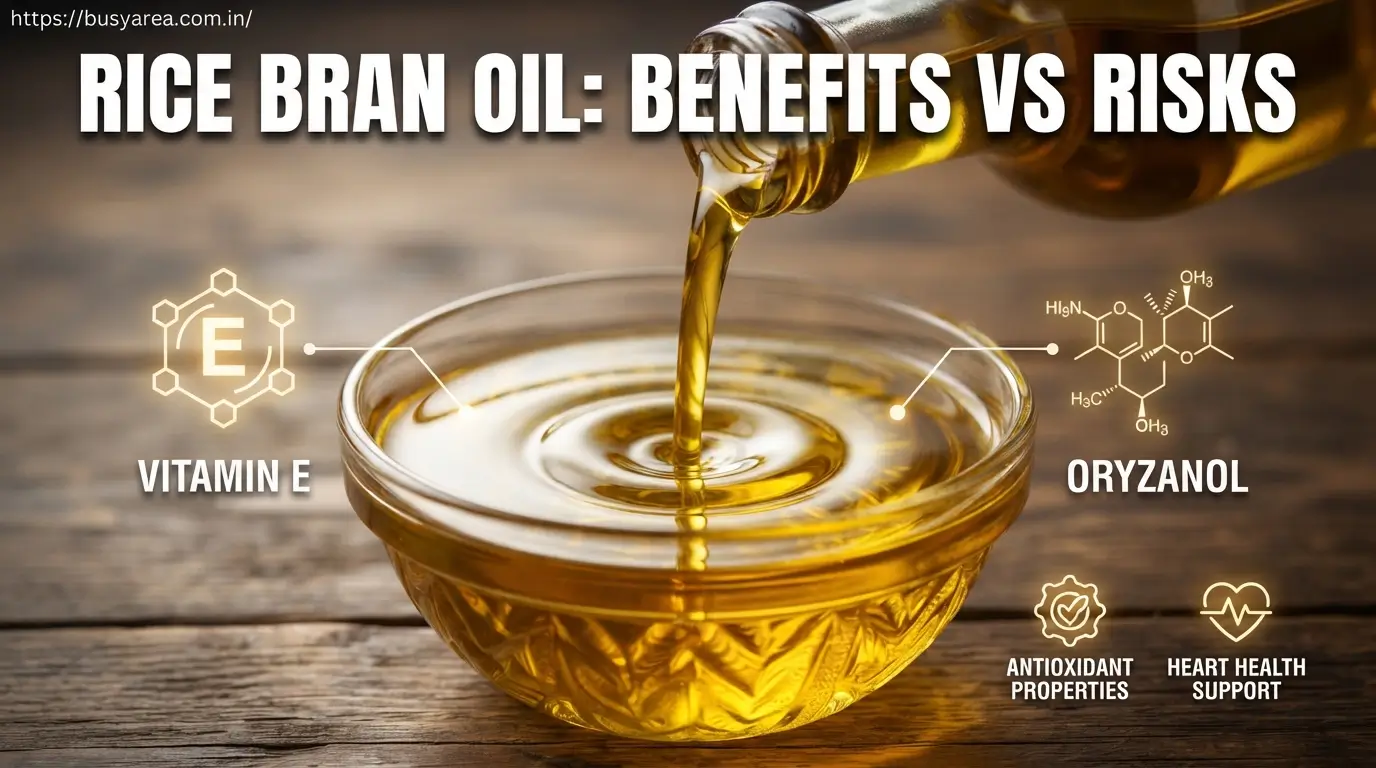
Rice bran oil has become a widely discussed cooking oil in modern nutrition because of its balanced fat composition and natural antioxidant content. Many health-conscious individuals often wonder Is rice bran oil is good for health when compared to traditional cooking oils used in everyday meals. Extracted from the outer layer of rice grains, this oil contains compounds that may support better heart function and improved lipid balance when used correctly.
What makes it especially interesting is its unique nutrient profile, including rice bran oil, heart-health, and cholesterol-management properties that are frequently highlighted in dietary studies. It also contains natural antioxidants such as oryzanol and vitamin E, which may help reduce oxidative stress in the body. However, understanding whether it is truly beneficial depends on how it is processed, how much is consumed, and how it fits into an overall balanced cooking oil strategy in daily nutrition.
What Is Rice Bran Oil?
Rice bran oil is a nutrient-rich vegetable oil extracted from the outer brown layer of rice grains, known as rice bran. This layer is usually removed during the milling of white rice, but instead of being wasted, it is processed to produce oil. People often ask Is Rice Bran Oil Good for Health? ” because it is promoted as a healthier alternative to many commonly used cooking oils, especially in heart-focused diets and modern nutrition plans. Its mild flavor, high smoke point, and stable fat composition make it suitable for a wide range of cooking methods, from frying to sautéing. Beyond its culinary use, rice bran oil is also valued for its bioactive compounds, including antioxidants and healthy fats that may support overall wellness. It is often positioned as a functional cooking oil due to its potential role in supporting heart health and maintaining balanced cholesterol levels when used in moderation. However, its actual health impact depends on the level of processing and how consistently it replaces less healthy fats in the diet.
How rice bran oil is extracted
Rice bran oil is extracted from the outer layer of rice called rice bran, which is collected during the milling process. This bran contains oil trapped inside its fibrous structure, along with nutrients like antioxidants and fatty acids. To release the oil, manufacturers use either mechanical pressing or solvent-based extraction methods. In most large-scale production, solvent extraction is preferred because it yields a higher amount of oil from the raw material.
Once the crude oil is extracted, it cannot be consumed directly. It goes through multiple refining stages such as degumming, neutralization, bleaching, and deodorization. These steps remove impurities, free fatty acids, and unwanted odors, resulting in a clear, stable oil suitable for cooking. The final product becomes a refined vegetable oil with a high smoke point, making it resistant to breakdown during high-temperature cooking like frying and grilling.
Refined vs cold-pressed rice bran oil
Refined rice bran oil is the most commonly available type in supermarkets. It undergoes heavy processing to ensure purity, longer shelf life, and a neutral taste that does not interfere with the flavor of food. Because of its high smoke point, it is widely used in restaurants and households for deep frying and everyday cooking. Most commercial cooking oils fall into this refined category due to their stability and affordability.
Cold-pressed rice bran oil is produced using a gentler extraction method that avoids high heat and chemical solvents. This helps preserve more natural compounds such as oryzanol, vitamin E, and other antioxidants that may support health. However, because it is less processed, it has a stronger aroma, shorter shelf life, and lower smoke stability compared to refined versions. While it is often considered closer to its natural form, it is less commonly used for high-heat cooking.
Global usage and popularity
Rice bran oil is especially popular in Asian countries such as India, Japan, China, and Thailand, where rice is a major agricultural product. In these regions, it is commonly used as an everyday vegetable oil for cooking, frying, and food manufacturing. Its affordability, neutral taste, and cooking versatility have helped it become a practical choice for both home kitchens and the food industry.
In recent years, rice bran oil has gained global attention due to rising awareness of diet-related diseases and the importance of heart health. Many consumers are now exploring it as an alternative to traditional oils like palm oil or sunflower oil. Its reputation as a balanced cooking oil with potential cholesterol-lowering properties has contributed to its growing presence in health-conscious markets worldwide.
Nutritional Profile of Rice Bran Oil
The nutritional profile of rice bran oil is one of the key reasons it is often considered a healthier cooking option compared to many conventional oils. It contains a balanced mix of fats, antioxidants, and bioactive compounds that may contribute to better overall health when used appropriately. Many readers searching for ” Is rice bran oil good for health are specifically interested in understanding what nutrients make this oil different from other vegetable oil options commonly used in daily cooking. Unlike oils that are high in either saturated or unstable fats, rice bran oil offers a more balanced composition that may support heart health and metabolic functions. It also contains naturally occurring antioxidants and unique plant compounds that are rarely found in other cooking oils. These nutrients play an important role in how the oil behaves in the body and how it performs during high-heat cooking.
Fat composition (monounsaturated, polyunsaturated, saturated fats)
Rice bran oil contains a well-balanced fat profile that includes monounsaturated fats (MUFA), polyunsaturated fats (PUFA), and a smaller proportion of saturated fats. The monounsaturated fats are considered heart-friendly and may help support healthy cholesterol levels when they replace unhealthy fats in the diet. Polyunsaturated fats, including omega-6 fatty acids, are essential fats that the body needs for various metabolic processes.
The saturated fat content in rice bran oil is relatively moderate compared to oils like coconut oil or palm oil. This balance is one of the reasons it is often recommended as a cooking oil for everyday use. When consumed in moderation as part of a balanced diet, its fat composition may contribute positively to cholesterol management and overall cardiovascular wellness.
Vitamin E content
Rice bran oil is naturally rich in vitamin E, particularly tocopherols and tocotrienols, which are powerful fat-soluble antioxidants. These compounds help protect the body’s cells from oxidative damage caused by free radicals. This antioxidant activity is one of the key nutritional advantages that make rice bran oil stand out among other edible oils.
Vitamin E also plays an important role in skin health, immune function, and cellular repair. Because rice bran oil retains this nutrient even after refining, it is often considered a functional vegetable oil that provides more than just energy. Its antioxidant content contributes indirectly to supporting heart health by reducing oxidative stress in the body.
Presence of gamma oryzanol
One of the most unique compounds found in rice bran oil is gamma oryzanol, a mixture of antioxidant substances that is rarely present in other cooking oils. This compound is widely studied for its potential role in supporting cholesterol balance and reducing oxidative stress. It is often highlighted as a key reason behind the oil’s health reputation.
Gamma oryzanol is also believed to have anti-inflammatory properties, which may support overall metabolic health. While research is still ongoing, it is frequently associated with improvements in lipid profiles when used as part of a healthy cooking oil substitution strategy. This makes rice bran oil particularly interesting for people focused on heart health and preventive nutrition.
Antioxidants overview
In addition to vitamin E and gamma oryzanol, rice bran oil contains a variety of other antioxidants that help protect the oil from oxidation during cooking and storage. These antioxidants contribute to its stability at high temperatures, making it suitable for frying and other heat-intensive cooking methods. This stability is one reason it is often compared favorably with other vegetable oil options.
From a nutritional perspective, these antioxidants may also support the body’s defense against oxidative stress when included as part of a balanced diet. While rice bran oil is not a cure or treatment for diseases, its antioxidant profile can complement a diet focused on heart health and long-term wellness when used consistently and in moderation.
Read Also: Is rice bran oil good for health
Health Benefits of Rice Bran Oil
Rice bran oil is widely considered a functional cooking oil because it contains a unique combination of healthy fats, antioxidants, and bioactive compounds that may support overall wellness. Many people searching for is rice bran oil is good for health are mainly interested in its potential effects on heart function, cholesterol levels, and long-term disease prevention. When used as part of a balanced diet, this vegetable oil may offer advantages over highly saturated or heavily processed oils. Its nutrient profile, especially compounds like oryzanol and vitamin E, contributes to its reputation as a heart-supportive cooking choice.
Benefits of Rice Bran Oil
- May support heart health by helping maintain healthier cholesterol ratios when replacing saturated cooking fats in meals.
- Can help reduce LDL (bad cholesterol) while supporting HDL (good cholesterol) due to its balanced fat composition.
- Rich in vitamin E antioxidants that may protect cells from oxidative damage caused by free radicals in the body.
- Contains gamma oryzanol, a unique compound linked with improved lipid metabolism and cardiovascular support functions.
- High smoke point makes it a stable cooking oil for deep frying, grilling, and high-temperature cooking without breakdown.
- May support metabolic health by providing a healthier fat source compared to trans fats and heavily processed oils.
- Supports overall energy production through essential fatty acids required for normal body function and cellular activity.
- May contribute to better digestive comfort when consumed moderately as part of a balanced dietary pattern.
- Can indirectly support skin health due to its antioxidant content, especially vitamin E and plant-based nutrients.
- Works well as part of an oil rotation strategy, supporting long-term heart health and balanced fat intake in the diet.
Rice Bran Oil vs Other Cooking Oils
Rice bran oil is often compared with other commonly used cooking oils because consumers want to understand whether it is truly a healthier option or just a marketing trend. When evaluating whether rice bran oil is good for health, it is important to compare its nutritional profile, smoke point, and health effects with oils like olive oil, sunflower oil, and canola oil. This comparison helps identify which cooking oil is best suited for different cooking methods such as frying, sautéing, or salad preparation. Each oil has unique strengths, but rice bran oil is particularly valued for its balance of stability and potential heart health benefits.
Comparison Table
| Oil Type | Smoke Point (Approx.) | Fat Composition | Health Benefits | Best Use |
| Rice Bran Oil | High (~230°C) | Balanced MUFA, PUFA, and moderate saturated fats | May support heart health, contains antioxidants like oryzanol | Deep frying, high-heat cooking, sautéing |
| Olive Oil | Medium (~190°C) | High MUFA, low PUFA | Strong heart health benefits, rich in polyphenols | Salad dressings, low to medium heat cooking |
| Sunflower Oil | High (~225°C) | High PUFA | Vitamin E rich but may be unstable at high heat | General cooking, frying |
| Canola Oil | Medium-high (~204°C) | Low saturated fat, balanced fats | May support cholesterol control | Baking, frying, everyday cooking |
| Coconut Oil | High (~232°C) | High saturated fat | Provides quick energy but may raise LDL cholesterol | Baking, traditional cooking |
Possible Side Effects and Concerns
While rice bran oil is often promoted as a healthier alternative to many traditional cooking oils, it is still a calorie-dense fat source and should be used in moderation. People researching is rice bran oil is good for health should also understand that no oil is completely risk-free when consumed in excess. Even though this vegetable oil contains beneficial compounds like antioxidants and unsaturated fats, its overall impact depends on how much is used and the quality of the product. Balanced consumption is essential to avoid unwanted health effects. It is also important to consider lifestyle factors such as total fat intake, cooking habits, and dietary balance. When rice bran oil is overused or replaces all other fat sources without proper planning, it may lead to nutritional imbalances.
Overconsumption risks
Rice bran oil, like all edible oils, is very high in calories, providing around 120 calories per tablespoon. When consumed in large amounts, it can contribute to weight gain over time, especially if it is used frequently for frying or added excessively to meals. This is an important consideration for individuals trying to manage body weight or improve metabolic health.
Overconsumption may also reduce the benefits associated with healthy fats if total calorie intake becomes unbalanced. Even though this cooking oil contains beneficial compounds, excessive use can still negatively affect energy balance and increase fat storage in the body. Moderation is key to ensuring that its potential heart health advantages are not overshadowed by calorie excess.
Omega imbalance concerns
Rice bran oil contains omega-6 fatty acids, which are essential for the body but must be balanced with omega-3 intake. A diet overly rich in omega-6 without enough omega-3 may contribute to an unhealthy fatty acid ratio. This imbalance is often linked to inflammation-related concerns when dietary patterns are not well managed.
Since many modern diets already contain high levels of omega-6 from various vegetable oil sources, relying too heavily on rice bran oil alone may worsen this imbalance. To maintain optimal heart health, it is recommended to include omega-3-rich foods such as fish, flaxseeds, or walnuts to ensure a more balanced fatty acid profile.
Processed oil quality issues
The quality of rice bran oil can vary significantly depending on the refining and processing methods used. Highly refined oils may lose some of their natural antioxidants during processing, even though they gain a higher smoke point and longer shelf life. This means not all products offer the same nutritional value.
In some cases, low-quality or poorly stored oils may oxidize or degrade, reducing their health benefits and potentially forming harmful compounds when heated. Choosing a reputable cooking oil brand and ensuring proper storage can help preserve its nutritional qualities and maintain its potential contribution to heart health.
Is Rice Bran Oil Good for Daily Use?
Rice bran oil is often considered a practical option for everyday cooking because of its stable fat composition, neutral taste, and high smoke point. Many people searching for rice bran oil is good for health, are specifically trying to understand whether it is safe to use regularly without long-term negative effects. As a vegetable oil, it can be included in daily cooking routines, but its benefits depend heavily on portion control, cooking methods, and overall dietary balance. When used appropriately, rice bran oil may support heart health due to its unsaturated fats and antioxidant compounds like oryzanol. However, like all edible oils, it should not be consumed in excess or treated as a standalone “healthy solution.” Instead, it works best as part of a varied and balanced diet that includes multiple sources of healthy fats and nutrients.
Safe consumption levels
Rice bran oil is generally safe for daily use when consumed in moderation, typically within recommended dietary fat limits. Most nutrition guidelines suggest that fats should make up about 20–35% of total daily calorie intake, and oils like rice bran oil should be used within this range. Since it is calorie-dense, even small excess amounts can quickly add up in daily meals.
For everyday cooking, using measured quantities rather than free pouring is important. Even though this cooking oil contains beneficial fats, overuse can lead to excessive calorie intake and potential weight gain. Keeping portions controlled ensures that its potential heart health benefits are not offset by unwanted dietary imbalances.
Balanced diet importance
Rice bran oil should be viewed as one component of a larger dietary pattern rather than a standalone health solution. A balanced diet includes a mix of different fat sources, proteins, whole grains, fruits, and vegetables. Relying on a single vegetable oil for all cooking needs may limit nutritional diversity and fatty acid balance.
To maximize heart health, it is better to rotate rice bran oil with other healthy oils such as olive oil or mustard oil, depending on cooking requirements. This approach helps maintain a better balance of omega-3 and omega-6 fatty acids while ensuring a wider range of nutrients from different sources.
Expert recommendations
Many nutrition experts suggest that rice bran oil can be a healthy cooking option when used in moderation and as part of a balanced diet. Its antioxidant content and favorable fat profile make it a reasonable alternative to oils high in saturated or trans fats. However, experts also emphasize that no single oil should be relied upon exclusively for all cooking needs.
Health professionals often recommend focusing on overall dietary patterns rather than individual ingredients. While this cooking oil may support heart health, its effectiveness depends on lifestyle factors such as physical activity, total fat intake, and food quality. Therefore, it is best used as part of a varied and mindful approach to nutrition.
Common Mistakes to Avoid
Rice bran oil is often considered a healthier cooking option, but many people misuse it and reduce its potential benefits without realizing it. When evaluating whether rice bran oil is good for health, it is important to understand that the oil itself is not the problem; rather, incorrect usage, poor cooking habits, and lack of awareness about quality can affect outcomes. This vegetable oil works best when used properly in moderation, stored correctly, and paired with a balanced diet. Avoiding common mistakes ensures better heart health support and long-term nutritional value from daily cooking choices.
Common Mistakes
- Reusing rice bran oil multiple times increases harmful compounds and reduces nutritional quality significantly.
- Using excessive amounts daily leads to unnecessary calorie intake and potential weight gain over time.
- Ignoring oil quality and buying low-grade processed cooking oil reduces antioxidant and nutrient benefits significantly.
- Overheating oil repeatedly destroys beneficial compounds like oryzanol and may produce harmful oxidation substances.
- Relying solely on rice bran oil instead of rotating with other healthy oils disrupts heart health balance.
- Improper storage in heat or light causes rancidity, reducing the freshness and overall effectiveness of the oil.
Cooking Uses and Smoke Point
Rice bran oil is widely appreciated in kitchens because of its excellent heat stability and neutral taste, making it suitable for a variety of cooking techniques. Many people researching rice bran oil is good for health are also interested in how it performs during cooking, especially at high temperatures. As a vegetable oil, it stands out due to its ability to maintain structural stability without breaking down easily when exposed to heat. Its cooking performance is largely linked to its high smoke point and balanced fat composition. This makes it a reliable cooking oil for both home kitchens and commercial food preparation. When used correctly, it not only supports better cooking results but may also contribute to maintaining heart health by reducing the formation of harmful compounds during high-heat cooking.
High smoke point advantage
Rice bran oil has a high smoke point, typically around 230°C (446°F), which means it can withstand high cooking temperatures without burning or breaking down quickly. This is an important feature because oils with low smoke points tend to degrade faster, producing smoke and potentially harmful compounds when overheated.
Because of this stability, rice bran oil is considered safer for high-temperature cooking compared to many other vegetable oil options. Its ability to remain stable under heat also helps preserve its nutritional qualities, making it a preferred cooking oil for people who want both performance and potential heart health benefits in their daily meals.
Suitable cooking methods: frying, sautéing, baking
Rice bran oil is highly versatile and can be used for deep frying, shallow frying, sautéing, and even baking. Its neutral flavor ensures that it does not overpower the taste of food, making it ideal for a wide range of cuisines. It is especially popular in frying due to its ability to maintain stability at high temperatures.
In baking and sautéing, rice bran oil provides a light texture and consistent heat distribution. This makes it a practical cooking oil for both savory and sweet recipes. Its compatibility with multiple cooking methods also supports a balanced dietary approach that aligns with long-term heart health goals.
Stability at high heat
One of the key strengths of rice bran oil is its oxidative stability during high-heat cooking. Unlike some oils that break down quickly, it maintains its chemical structure even when exposed to prolonged heat. This reduces the risk of forming harmful oxidation by-products during cooking.
This stability is due to its balanced fatty acid profile and natural antioxidants, which help protect it from thermal degradation. As a result, it is often preferred as a vegetable oil for repeated cooking applications, especially in households and restaurants that prioritize both safety and heart health in food preparation.
Tips for Choosing the Best Rice Bran Oil
Choosing the right rice bran oil is essential for maximizing its nutritional benefits and ensuring safe everyday cooking use. When people search for ” Is rice bran oil good for health, they often overlook that the quality of the oil plays a major role in its actual health impact. A high-quality vegetable oil retains more antioxidants, has better stability, and supports heart health more effectively than low-grade or poorly processed options. Understanding labels, refining methods, and storage conditions helps consumers make better decisions and avoid products that may lose nutritional value or contain unwanted impurities in their daily cooking oil choices.
Choosing the Best Rice Bran Oil
- Choose reputable brands with certified quality standards for safer and more reliable rice bran oil consumption daily.
- Prefer oils labeled as cold-pressed or minimally refined to retain more natural antioxidants and nutrients effectively.
- Check packaging dates carefully to ensure freshness and avoid oxidized or stale vegetable oil products.
- Select oils stored in dark glass bottles to protect nutrients from light-induced degradation and maintain quality.
- Avoid products with strong chemical odor, indicating over-refinement or poor processing quality during manufacturing stages.
- Look for gamma oryzanol content mentioned on labels for added heart health benefits and antioxidant support.
- Ensure oil has a clear, light golden appearance indicating proper refining and purity standards in production.
- Avoid reused or bulk-opened oils that may have lost stability and nutritional value over time.
- Store rice bran oil in cool, dry places to preserve freshness and prevent rancidity or oxidation damage.
- Compare multiple cooking oil options before purchasing to choose the best balance of health and affordability.
Frequently asked questions
Is rice bran oil good for health?
Yes, rice bran oil can be good for health when used in moderation. It contains healthy fats, antioxidants, and compounds like oryzanol that may support heart health and cholesterol balance.
Can rice bran oil help reduce cholesterol?
Rice bran oil may help improve cholesterol levels by reducing LDL (bad cholesterol) and supporting HDL (good cholesterol), especially when replacing unhealthy fats in the diet.
Is rice bran oil safe for daily cooking?
Yes, it is generally safe for daily use as a vegetable oil, provided it is consumed in controlled amounts and as part of a balanced diet.
What is the best way to use rice bran oil?
It is best used for frying, sautéing, and baking due to its high smoke point and stability at high temperatures as a cooking oil.
Does rice bran oil have any side effects?
Side effects are rare but may occur with excessive use, such as weight gain due to high calorie content or imbalance in fatty acid intake.
Conclusion
Rice bran oil can be a healthy addition to your kitchen when used wisely and in moderation. After exploring whether rice bran oil is good for health, it is clear that this vegetable oil offers a balanced fatty acid profile, antioxidants like vitamin E, and beneficial compounds such as oryzanol that may support heart health and cholesterol management. Its high smoke point also makes it a practical cooking oil for everyday frying, sautéing, and baking.
However, its benefits are not absolute and depend heavily on overall diet quality, portion control, and cooking habits. Like any oil, overuse can lead to excess calorie intake and reduced health benefits. The best approach is to use rice bran oil as part of a varied selection of healthy oils, ensuring balanced nutrition and long-term wellness rather than relying on a single source of dietary fat.
