
Meta Description
Learn what a health faucet is, its types, benefits, price, installation, common problems, and simple tips for choosing and maintaining the right one.
URL Slug
/health-faucet/
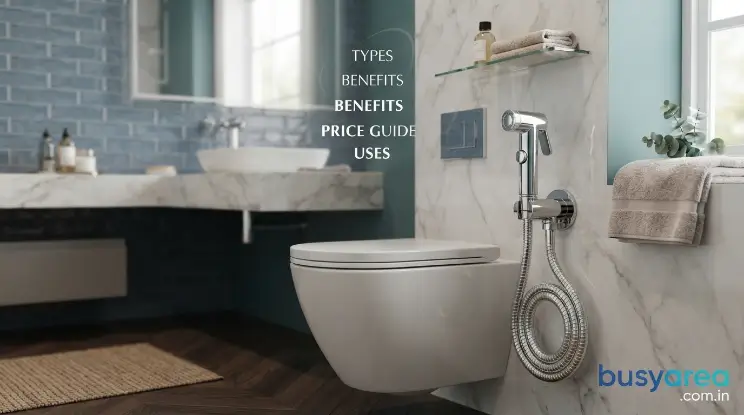
Welcome to Busy Area. A health faucet is a useful bathroom fitting designed for personal cleaning after toilet use. It uses a handheld spray connected to a water supply, making cleaning simple and convenient. It is also commonly called a toilet jet spray or bidet spray.
Different health faucet models are available in ABS plastic, stainless steel, and brass. Before buying one, it is important to consider the material, hose length, water pressure, trigger quality, price, and installation requirements. The right choice can provide comfortable daily use and long-lasting performance.
What Is a Health Faucet?
A health faucet is a handheld water spray fitted near a toilet for easy and controlled cleaning. It usually has a spray head, trigger, flexible hose, and water connection. When the trigger is pressed, water flows through the hose and comes out through the spray nozzle. Its compact size makes it practical for both small and large modern bathrooms. A health faucet is mainly used for personal hygiene after toilet use, but it can also be useful for simple bathroom cleaning. Unlike a fixed fixture, it can be moved and directed where needed. This gives users better control over the water flow while taking up very little space beside the toilet.
Health Faucet Meaning
The basic health faucet meaning is a handheld bathroom spray that delivers a controlled stream of water for cleaning. It is normally connected to the bathroom water supply and operated with a trigger on the spray head. This simple design makes it easy to use without requiring a large or separate bathroom fixture.
A health faucet is also commonly called a toilet jet spray, bidet spray, handheld bidet, or toilet spray. These terms can describe similar handheld fixtures, although their design and features may differ between products. The main purpose remains controlled water cleaning near the toilet.
How Does a Health Faucet Work?
A health faucet works by connecting its flexible hose to a nearby water supply through a suitable valve. When the trigger is pressed, water travels through the hose and exits from the spray head. The user can control the flow by pressing or releasing the trigger, while the wall holder keeps the spray safely stored after use.
The main parts include:
- Spray head: Directs the water toward the required area.
- Trigger: Starts and controls the water flow.
- Flexible hose: Carries water from the supply to the spray head.
- Wall holder: Keeps the spray securely in place when not in use.
- Water valve: Controls the water supply and helps shut it off when needed.
Types of Health Faucets
The main health faucet types differ mainly because of their material, build quality, finish, durability, and price. The most common choices are ABS plastic, stainless steel, and brass. Each material has different benefits, so the right option depends on your budget, bathroom use, and preferred level of durability.
ABS Plastic Health Faucet
An ABS health faucet is lightweight, affordable, and easy to handle, making it suitable for budget-friendly bathroom setups. It is available in different shapes, colours, and finishes, so users can choose a design that matches their bathroom fittings.
However, plastic models can differ in quality and strength. Before buying, check the spray head, trigger, hose connection, and overall construction to make sure the faucet is suitable for regular use.
Stainless Steel Health Faucet
A stainless steel health faucet provides strong construction and is suitable for frequent bathroom use. Its resistance to corrosion and relatively easy maintenance make it a practical choice for areas exposed to regular water contact.
Stainless steel models may cost more than basic ABS options, but their durability can make them suitable for long-term use. Check the steel quality, hose, trigger mechanism, and finish before making a purchase.
Brass Health Faucet
A brass health faucet offers solid construction and a premium appearance. It is often chosen for bathrooms where strength, durability, and a quality finish are important. Brass models are available with different surface finishes to match other bathroom fittings.
These faucets can have a higher price than plastic models, so compare the build quality, finish, warranty, and included components. A well-made brass faucet can be a suitable option for regular and long-term bathroom use.
Benefits of a Health Faucet
A health faucet can make everyday bathroom cleaning more convenient. Its handheld design gives users direct control over the direction and amount of water.
Key benefits include:
- Better personal hygiene: Water can provide convenient cleaning after toilet use.
- Easy operation: The handheld trigger makes water control simple.
- Controlled water flow: Users can adjust the flow according to their needs.
- Less dependence on toilet paper: Water cleaning can reduce paper use in some households.
- Compact design: It takes very little bathroom space.
- Versatile use: It can also help with certain light bathroom cleaning tasks.
Read also: Maharashtra Health and Technical Common Entrance Test: MHT CET Guide
Health Faucet Price in India
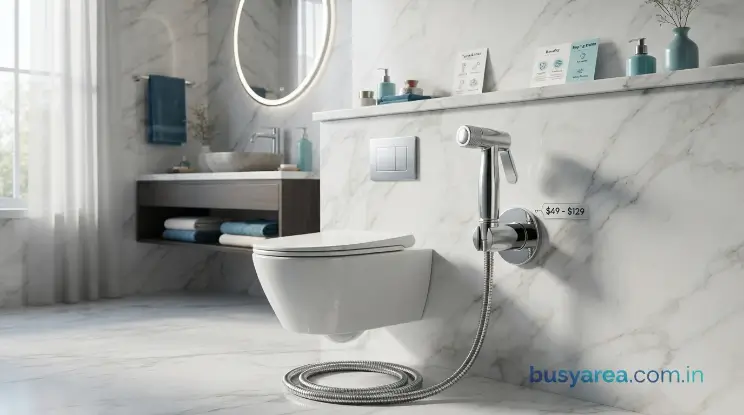
The health faucet price in India depends on several factors, including material, brand, design, finish, hose quality, and included accessories. Basic models are usually more affordable, while stainless steel and brass options can cost more because of their stronger construction and finish. Buyers should compare overall quality and features instead of choosing only by price.
Budget Health Faucets
Budget health faucet models are commonly made from ABS plastic or basic metal and focus on essential functions. They can work well for buyers who want a simple and affordable option for everyday bathroom use.
Before purchasing, check the spray head, trigger, hose, and water connections carefully. A low price is useful only when the main components are reliable enough for regular use.
Mid-Range Health Faucets
Mid-range health faucet models usually offer better materials, stronger hoses, improved finishes, and more reliable construction. They are designed to provide a balance between affordability and everyday durability.
These models can be suitable for regular household use where users want better build quality without paying for premium features. Check the warranty and component quality along with the listed price.
Premium Health Faucets
Premium health faucet models may feature brass or high-quality stainless steel construction, refined finishes, and stronger components. They are generally aimed at buyers who want a more durable and polished bathroom fitting.
When comparing premium options, look beyond appearance and price. Check the warranty, replacement-part availability, hose quality, trigger performance, and compatibility with existing bathroom fittings.
How to Choose the Right Health Faucet
Choosing the right health faucet depends on more than its price. Consider the material, bathroom layout, water pressure, hose length, trigger quality, and how often the faucet will be used. Checking these details before buying can help you select a model that is comfortable to use and suitable for your bathroom setup.
Check the Material and Build Quality
Choose a material according to your budget and expected use. ABS can be a practical choice for affordable installations, while stainless steel and brass generally provide stronger construction. The overall build quality is also important for regular use.
Check the spray head, trigger, hose connections, and fittings for solid construction. A well-made health faucet should feel secure in the hand and operate smoothly without loose or weak components.
Choose the Right Hose Length
The hose should be long enough to reach the toilet comfortably while still being easy to handle and store. A hose that is too short can limit movement, while an unnecessarily long one can become difficult to manage.
A flexible hose of around 1 to 1.5 metres is common, but the ideal length depends on the toilet position and water connection. Measure the required distance before purchasing.
Check Water Pressure Compatibility
Water pressure directly affects health faucet performance. Low pressure may produce a weak spray, while excessive pressure can make the water difficult to control and put additional stress on the connections.
Check the product specifications and consider your existing water pressure before installation. Choose a model that can work comfortably with your bathroom’s water supply.
Look at the Trigger and Spray Control
A smooth trigger makes a health faucet easier and more comfortable to operate. The spray should provide controlled water flow without requiring excessive pressure on the trigger.
The trigger should return properly after release and should not feel loose or difficult to press. Good spray control also helps prevent unnecessary splashing during use.
Consider Finish, Warranty, and Spare Parts
Choose a finish that matches your existing bathroom fittings and is simple to maintain. A suitable finish can also help the faucet maintain a neat appearance with regular cleaning.
Warranty coverage and spare-part availability are equally useful, especially for frequently used components such as the hose, washer, and spray head. These factors can make future maintenance easier.
How to Install a Health Faucet
Installing a health faucet involves connecting the spray to a suitable water supply and securing the holder near the toilet.
Things You Need for Installation
Depending on the existing plumbing, you may need:
- Health faucet spray head
- Flexible hose
- Wall holder
- Suitable water valve or connector
- Adjustable wrench
- Thread-sealing tape
Turn off the water supply before beginning the work.
Step-by-Step Health Faucet Installation
- Turn off the bathroom water supply.
- Identify the suitable water connection near the toilet.
- Install the required valve or connector.
- Connect one end of the flexible hose to the water supply.
- Connect the other end to the spray head.
- Secure the wall holder at a convenient height.
- Place the spray head in the holder.
- Turn the water supply back on.
- Test the spray and check every connection for leaks.
- Adjust the water pressure if necessary.
If the existing plumbing is complicated or the connection does not fit correctly, professional plumbing help can prevent damage and leakage.
Common Health Faucet Problems and Solutions
A health faucet can develop simple problems after regular use, especially when its hose, trigger, connections, or spray nozzle are not maintained. Checking the fitting regularly can help identify leaks, blockages, and damaged parts before they affect normal use.
Health Faucet Leaking
A leaking health faucet is often caused by a loose connection, worn washer, damaged hose, or faulty valve. Water may appear around the joints or continue dripping after the spray is released.
Turn off the water supply before checking the fittings. Tighten loose connections and replace damaged washers, hoses, or valves instead of continuing to use a leaking component.
Low Water Pressure
Low water pressure can make a health faucet produce a weak or uneven spray. Common causes include a partly closed valve, blocked nozzle, restricted hose, or low pressure in the household water supply.
Start by checking the valve and spray nozzle for restrictions. If other bathroom fixtures also have low pressure, the problem may be with the main water supply rather than the faucet itself.
Damaged or Kinked Hose
A damaged or sharply bent hose can restrict water flow and may eventually cause leakage. Frequent bending near the connections can also place extra stress on the hose.
Keep the flexible hose in a natural position and avoid twisting it during use. Replace it if you notice cracks, swelling, corrosion, or other signs of damage.
Blocked Spray Nozzle
Mineral deposits and dirt can collect around the small openings of the spray nozzle and reduce water flow. This is more common in areas with hard water.
Clean the nozzle carefully and remove visible buildup without damaging the openings. If the blockage continues after cleaning, replacing the spray head may provide a better solution.
Faulty Trigger
A faulty trigger may stick, leak, or fail to control the water flow properly. This can happen because of internal wear, mineral buildup, or damage from regular use.
Clean the trigger area if buildup is visible and check whether it moves smoothly. If the problem continues, replacing the spray head or damaged internal component may restore normal operation.
Health Faucet vs Bidet
A health faucet and a bidet both provide water-based personal cleaning, but their designs and installation requirements are different.
| Feature | Health Faucet | Bidet |
| Design | Handheld spray | Separate or integrated fixture |
| Installation | Usually simple | Can require more plumbing |
| Space | Requires little space | May require additional space |
| Water control | Controlled by handheld trigger | Depends on the bidet design |
| Electricity | Usually not required | Depends on the model |
| Placement | Usually beside the toilet | Separate or integrated with the toilet |
A health faucet is often chosen when bathroom space is limited or a simple handheld solution is preferred. A bidet can be a different option when the bathroom layout and installation setup support it.
Health Faucet Maintenance Tips
Regular maintenance can help keep a health faucet working properly.
- Clean the spray nozzle regularly.
- Check the flexible hose for damage.
- Inspect connections for leaks.
- Remove mineral buildup when necessary.
- Avoid unnecessarily high water pressure.
- Check the trigger for smooth operation.
- Replace worn washers, hoses, or spray heads.
- Keep the spray head stored properly in its wall holder.
Simple maintenance can improve reliability and help identify problems before they cause water damage.
Frequently Asked Questions About Health Faucets
What is a health faucet used for?
A health faucet is mainly used for personal cleaning after toilet use. Its handheld design allows users to control the direction and flow of water.
Which material is best for a health faucet?
Stainless steel and brass can provide strong construction, while ABS plastic is a more affordable option. The right material depends on your budget, usage, and desired durability.
How much does a health faucet cost in India?
The health faucet price varies by material, brand, finish, and features. Basic models cost less, while premium brass and stainless steel models generally cost more.
Can a health faucet be installed in any bathroom?
Most bathrooms can accommodate a health faucet if there is a suitable water connection and enough space beside the toilet. Plumbing compatibility should be checked before installation.
How can I prevent a health faucet from leaking?
Use compatible fittings, avoid excessive water pressure, check connections regularly, and replace worn washers or hoses when needed.
Conclusion
A health faucet is a compact and convenient bathroom fitting that can make personal cleaning easier. Its main components include a spray head, trigger, flexible hose, water connection, and wall holder. Different materials such as ABS plastic, stainless steel, and brass provide options for different budgets and usage needs.
Before buying a health faucet, compare the material, build quality, hose length, water pressure compatibility, trigger operation, finish, warranty, and spare-part availability. Proper installation and regular maintenance are equally important. Choosing a model that matches your bathroom setup can provide reliable performance and comfortable everyday use.
