
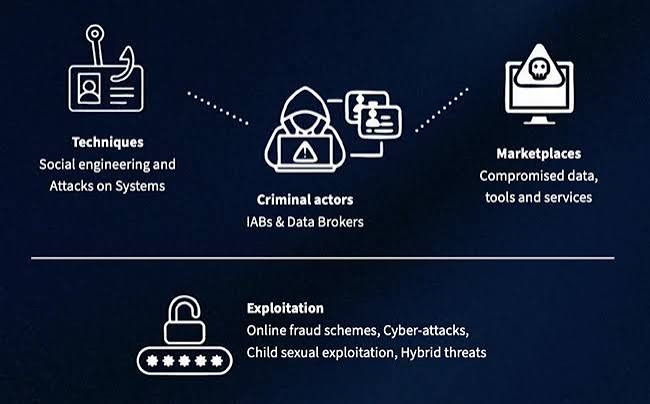
The internet has transformed how people shop, communicate, work, and manage personal information. However, the same digital environment that creates convenience also creates opportunities for cybercriminals to exploit stolen data sharkshop.vc. Underground markets that trade compromised personal and financial information have become a serious concern for individuals, businesses, and organizations worldwide.
The term “sharkshop” is often associated with discussions about illicit stolen-data marketplaces. Understanding how these markets affect online security can help people recognize risks, improve their digital habits, and take practical steps to protect sensitive information.
What Are Stolen Data Markets?
Stolen data markets are underground platforms where criminals attempt to buy, sell, or exchange information obtained through cyberattacks, phishing campaigns, malware, data breaches, and other illegal activities.
The types of information involved may include:
- Compromised account credentials
- Personal identifying information
- Payment-related information
- Email addresses and passwords
- Business login details
- Data obtained from previous security breaches
These markets are part of a broader cybercrime ecosystem. Information stolen in one attack may later be used for identity theft, account takeover attempts, fraud, phishing campaigns, or additional criminal activity.
Why Stolen Data Markets Are a Security Concern
The impact of stolen data extends far beyond the original breach. Once sensitive information is exposed, it may be reused across multiple attacks.
For example, a leaked email address and password combination may be tested against other online services. This is particularly dangerous when people reuse the same password across multiple accounts.
A single compromised account can potentially lead to:
- Unauthorized access
- Identity theft
- Financial fraud
- Social engineering attacks
- Business email compromise
- Further exposure of personal information
This is why data security is not only about protecting information at the moment it is collected. It also involves reducing the potential impact if that information is ever exposed.
How Data Is Commonly Stolen
Cybercriminals use a variety of methods to obtain sensitive information. Some of the most common include:
Phishing
Phishing messages are designed to trick users into revealing sensitive information. These messages may imitate banks, online services, delivery companies, employers, or other trusted organizations.
Malware
Malicious software can be used to compromise devices and potentially expose stored information. Infected devices may create serious risks for both individuals and organizations.
Data Breaches
A data breach occurs when unauthorized parties gain access to information held by an organization. Even companies with strong security programs can become targets of sophisticated attacks.
Weak or Reused Passwords
Password reuse remains a major security weakness. If one service is compromised, attackers may attempt to use the same credentials elsewhere.
Social Engineering
Social engineering attacks manipulate people rather than relying solely on technical vulnerabilities. Attackers may impersonate trusted individuals or organizations to persuade victims to disclose confidential information.
The Connection Between Data Exposure and Account Takeover
One of the most significant risks associated with stolen data is account takeover.
Attackers may use exposed information to attempt access to email accounts, shopping accounts, social media profiles, financial services, and business systems. If additional security controls are not in place, compromised credentials can create a chain reaction across multiple accounts.
This is why using unique passwords and multi-factor authentication is so important.
How Individuals Can Improve Their Online Security
People can take several practical steps to reduce their exposure to stolen-data risks.
Use Unique Passwords
Every important online account should have a unique password. A password manager can help create and store strong credentials without requiring users to memorize every password.
Enable Multi-Factor Authentication
Multi-factor authentication adds an additional layer of protection beyond a password. Depending on the service, this may involve an authentication app, security key, or another verification method.
Be Careful With Unexpected Messages
Users should be cautious when receiving unexpected emails, messages, or links that request personal information or urgent action.
Before clicking a link or responding, verify the message through an official channel.
Keep Software Updated
Operating system and application updates frequently include security improvements. Delaying updates can leave devices exposed to known vulnerabilities.
Monitor Accounts Regularly
Regularly reviewing account activity can help identify suspicious logins, unexpected transactions, or other unusual behavior.
How Businesses Can Reduce the Risk
Organizations face additional challenges because they often manage large amounts of customer, employee, and business data.
Effective security programs may include:
- Employee security awareness training
- Strong access controls
- Multi-factor authentication
- Regular software updates
- Network monitoring
- Data encryption
- Incident response planning
- Regular security assessments
- Data minimization practices
Businesses should also follow the principle of least privilege, ensuring that users and systems only have access to the information required for their legitimate responsibilities.
Why Security Awareness Matters
Technology alone cannot eliminate every cyber threat. Human behavior remains an important part of the security equation.
Employees and consumers who understand common risks are more likely to recognize suspicious activity. Security awareness can help people identify:
- Fake login pages
- Suspicious attachments
- Impersonation attempts
- Unusual payment requests
- Requests for sensitive information
- Messages designed to create panic or urgency
A well-informed user can often prevent an attack before it becomes a serious incident.
What to Do If You Suspect Your Data Has Been Compromised
If you believe your information may have been exposed, act quickly.
Recommended steps include:
- Change affected passwords immediately.
- Change any reused passwords on other accounts.
- Enable multi-factor authentication.
- Review recent account activity.
- Contact the relevant service provider through official channels.
- Monitor financial and online accounts for suspicious activity.
- Be alert for follow-up phishing attempts.
People should also be cautious of anyone claiming they can “recover” stolen information or provide special access to compromised accounts. These offers may themselves be scams.
The Importance of Responsible Online Behavior
Awareness of stolen-data markets should not encourage people to explore illegal services or attempt to access compromised information. Such activity can create serious legal, financial, and security risks.
The most valuable purpose of understanding these markets is prevention. By learning how stolen information can be abused, individuals and organizations can make better decisions about passwords, authentication, privacy, and data protection.
Final Thoughts
The risks associated with stolen data markets are part of a larger online security challenge. Cybercriminals continue to look for ways to obtain and exploit sensitive information, but strong security habits can significantly reduce exposure.
Using unique passwords, enabling multi-factor authentication, recognizing phishing attempts, keeping software updated, and monitoring accounts are practical steps that can make a meaningful difference.
The best defense is awareness combined with consistent security practices. Understanding how stolen data can circulate through criminal ecosystems helps individuals and businesses take proactive steps to protect their digital identities and sensitive information.
