

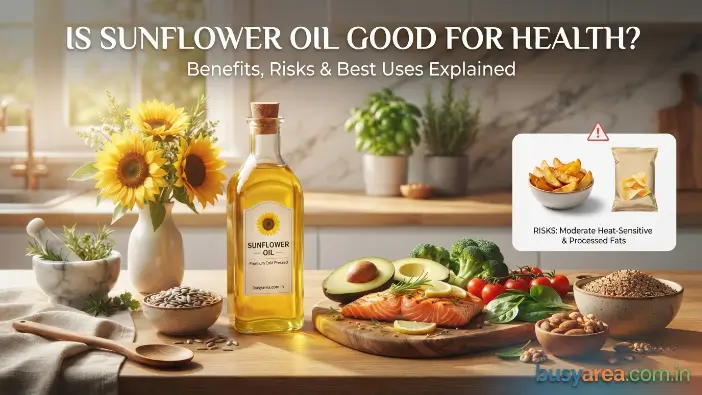
Welcome to Busy Area. Cooking oils are a staple in almost every kitchen, but not all oils offer the same nutritional value or health benefits. Among the many options available, sunflower oil has become one of the most popular choices because of its light flavor, versatility, and ability to withstand high cooking temperatures. It is commonly used for frying, baking, roasting, sautéing, and even in processed foods. However, with increasing awareness about healthy eating, many people are asking a crucial question: Is sunflower oil good for health? The answer is not as simple as a yes or no. Its impact on health depends on factors such as the type of sunflower oil, how it is processed, the cooking method used, and how it fits into your overall diet.
When discussing is sunflower oil is good for health, it is important to understand that not all sunflower oils are created equal. Some varieties, particularly those rich in monounsaturated fats, are associated with better heart health and greater stability during cooking, while others contain higher amounts of omega-6 fatty acids, which should be consumed as part of a balanced diet that also includes sufficient omega-3 fatty acids. In addition, sunflower oil is naturally rich in vitamin E, a powerful antioxidant that helps protect cells from oxidative damage and supports immune and skin health. These nutritional qualities make sunflower oil an attractive option for many households, but they also highlight the importance of choosing the right variety.
What Is Sunflower Oil?
Sunflower oil is a popular vegetable oil extracted from the seeds of the sunflower plant (Helianthus annuus). It is widely used in households and the food industry because of its mild flavor, light texture, and versatility in cooking. Whether you’re frying, roasting, baking, or preparing salad dressings, sunflower oil is valued for its ability to enhance food without overpowering its natural taste. Many people researching is sunflower oil good for health are interested in understanding its nutritional value, processing methods, and whether it is a healthier alternative to other cooking oils. Since different varieties contain different amounts of monounsaturated fats, polyunsaturated fats, and vitamin E, learning about sunflower oil is the first step toward making informed dietary choices.
How Sunflower Oil Is Made
The production of sunflower oil begins with harvesting mature sunflower seeds from the Helianthus annuus plant. Once harvested, the seeds are cleaned to remove dirt, dust, and other impurities before their outer shells are separated. The cleaned seeds are then prepared for oil extraction using specialized equipment designed to preserve the oil’s quality while maximizing yield. This process ensures that the final product is safe for consumption and suitable for a wide variety of cooking applications.
There are two primary methods used to extract sunflower oil: cold pressing and refining. Cold-pressed sunflower oil is produced by mechanically pressing the seeds without excessive heat, helping preserve more natural nutrients, antioxidants, and flavor. Refined sunflower oil, on the other hand, undergoes additional processing such as filtration, deodorization, and purification to improve shelf life, create a neutral taste, and increase its smoke point. While both methods produce safe and high-quality oils, they differ in nutritional content, flavor, and ideal cooking uses.
Refined vs. Cold-Pressed Sunflower Oil
Both refined and cold-pressed sunflower oil have their own advantages, and the better choice depends on how you plan to use the oil. Cold-pressed sunflower oil undergoes minimal processing, allowing it to retain more of its natural nutrients, antioxidants, and flavor. It is an excellent option for people who prefer less processed foods and use oil in salad dressings, dips, or other low-heat recipes.
Refined sunflower oil, on the other hand, is processed to remove impurities, resulting in a neutral flavor, longer shelf life, and a higher smoke point. These qualities make it more suitable for frying, roasting, sautéing, and other high-temperature cooking methods. While refining may reduce some naturally occurring antioxidants, refined sunflower oil remains a practical and versatile choice for everyday cooking.
| Feature | Cold-Pressed Sunflower Oil | Refined Sunflower Oil |
| Extraction Method | Mechanically pressed without excessive heat or chemicals | Processed using heat, filtration, and refining techniques |
| Processing Level | Minimal | Highly processed |
| Flavor | Rich, nutty, and slightly earthy | Mild and neutral |
| Color | Golden yellow with a natural appearance | Light yellow and clear |
| Nutrient Retention | Higher levels of vitamin E and natural antioxidants | Slightly lower due to the refining process |
| Smoke Point | Moderate (around 320–350°F / 160–177°C) | High (around 440–450°F / 227–232°C) |
| Best For | Salad dressings, marinades, dips, and low-heat cooking | Frying, roasting, sautéing, baking, and stir-frying |
| Shelf Life | Shorter because of minimal processing | Longer due to increased stability |
| Cost | Usually more expensive | Generally more affordable |
| Health Benefits | Retains more natural compounds and antioxidants | Offers excellent heat stability and everyday cooking convenience |
If your goal is to maximize nutritional value, cold-pressed sunflower oil is the better choice because it preserves more natural nutrients and antioxidants. However, if you regularly cook at high temperatures, refined sunflower oil is the more practical option due to its higher smoke point and greater stability. For the best of both worlds, many nutrition experts recommend keeping both varieties in your kitchen, using cold-pressed sunflower oil for uncooked dishes and refined sunflower oil for high-heat cooking.
Sunflower Oil Nutrition Facts
Understanding the nutritional profile of sunflower oil is essential when evaluating is sunflower oil good for health. Like most vegetable oils, sunflower oil is almost entirely composed of fat and provides a concentrated source of energy. However, the type of fat it contains is more important than the total amount. Depending on the variety, sunflower oil can be rich in monounsaturated fats or polyunsaturated fats, while also providing a generous amount of vitamin E, a powerful antioxidant that supports overall health. These nutrients make sunflower oil a valuable ingredient when consumed in moderation as part of a balanced diet.
Calories
Sunflower oil is an energy-dense food, providing approximately 120 calories per tablespoon (14 grams). Since fat contains 9 calories per gram, all cooking oils, including sunflower oil, contribute a significant number of calories even when used in small amounts. While these calories provide energy for the body, excessive consumption can contribute to weight gain if overall calorie intake exceeds daily energy needs.
Despite its calorie content, sunflower oil can still fit into a healthy eating plan when used in moderation. Measuring portions instead of pouring directly from the bottle is a simple way to control calorie intake while still enjoying its nutritional benefits. Replacing solid fats like butter or shortening with moderate amounts of sunflower oil may also help improve the overall quality of dietary fat intake.
Healthy Fats
One of the biggest nutritional advantages of sunflower oil is its content of healthy unsaturated fats. Depending on the variety, it contains monounsaturated fats (MUFAs) and polyunsaturated fats (PUFAs), both of which are considered healthier alternatives to saturated fats. High-oleic sunflower oil, in particular, is rich in monounsaturated fats, which are associated with supporting heart health when they replace saturated fats in the diet.
These healthy fats play several important roles in the body. They help build healthy cells, support brain function, aid hormone production, and improve the absorption of fat-soluble vitamins such as vitamins A, D, E, and K. Including moderate amounts of healthy fats from sunflower oil alongside foods like nuts, seeds, fish, and avocados contributes to a balanced and nutritious eating pattern.
Vitamin E
Sunflower oil is one of the richest natural dietary sources of vitamin E, a fat-soluble antioxidant that helps protect the body’s cells from damage caused by free radicals. This nutrient supports a healthy immune system, promotes skin health, contributes to normal vision, and helps maintain healthy blood vessels. A single tablespoon of sunflower oil provides a significant portion of an adult’s recommended daily intake of vitamin E.
Because vitamin E functions as an antioxidant, it helps reduce oxidative stress that naturally occurs during metabolism and exposure to environmental factors. Including vitamin E-rich foods like sunflower oil as part of a varied diet may contribute to long-term health, particularly when combined with other antioxidant-rich foods such as fruits, vegetables, and whole grains.
Fatty Acid Profile
The fatty acid composition of sunflower oil varies depending on the type of sunflower seed used. In this blog, you’ll learn that traditional sunflower oil is typically higher in omega-6 fatty acids, a form of polyunsaturated fat that the body requires for normal growth and development. Meanwhile, high-oleic sunflower oil contains significantly more monounsaturated fats, making it more stable during cooking and a preferred option for those seeking heart-friendly cooking oils.
Although omega-6 fatty acids are essential nutrients, they should be consumed as part of a balanced diet that also includes adequate omega-3 fatty acids. Eating a variety of healthy fat sources including oily fish, walnuts, flaxseeds, olive oil, and sunflower oil helps create a better nutritional balance. Understanding the fatty acid profile of sunflower oil allows consumers to choose the variety that best matches their health goals and preferred cooking methods.
Sunflower Oil Nutrition Facts
Sunflower oil is a nutrient-dense vegetable oil that provides energy, healthy fats, and essential nutrients. Although it contains no carbohydrates or protein, it is an excellent source of vitamin E and beneficial unsaturated fats. The exact nutritional composition can vary depending on the type of sunflower oil, particularly whether it is high-oleic or high-linoleic. The table below shows the approximate nutritional values for 1 tablespoon (14 g) of sunflower oil.
| Nutrient | Amount (Per 1 Tbsp / 14 g) | Health Benefit |
| Calories | 120 kcal | Provides energy for daily activities |
| Total Fat | 14 g | Essential for cell function and hormone production |
| Saturated Fat | 1.4 g | Naturally present in small amounts |
| Monounsaturated Fats (MUFAs) | 2.7–11 g* | Supports heart health and healthy cholesterol levels |
| Polyunsaturated Fats (PUFAs) | 1.7–9 g* | Provides essential omega-6 fatty acids |
| Omega-6 Fatty Acids | Varies by type | Supports normal growth and development |
| Omega-3 Fatty Acids | Trace amounts | Very low compared to other cooking oils |
| Vitamin E | 5.6 mg (about 37% DV)** | Powerful antioxidant that protects cells from oxidative stress |
| Carbohydrates | 0 g | Naturally carbohydrate-free |
| Protein | 0 g | Does not contain protein |
| Cholesterol | 0 mg | Naturally cholesterol-free |
| Sodium | 0 mg | Naturally sodium-free |
*The amount of monounsaturated and polyunsaturated fats varies depending on whether the sunflower oil is high-oleic, mid-oleic, or high-linoleic.
****Daily Value (DV) percentages are based on general adult nutrition guidelines and may vary depending on local recommendations.
Key Nutritional Highlights
| Nutrient | Why It Matters |
| Calories | Supplies concentrated energy, making sunflower oil suitable for cooking and baking. |
| Healthy Fats | Rich in monounsaturated fats and polyunsaturated fats, which are healthier alternatives to saturated fats. |
| Vitamin E | Acts as a powerful antioxidant that supports the immune system, skin health, and healthy cells. |
| Fatty Acid Profile | High-oleic varieties contain more heart-healthy monounsaturated fats, while traditional varieties contain higher levels of omega-6 fatty acids. |
Read Also: is paneer good for health
Health Benefits of Sunflower Oil
Understanding the health benefits of sunflower oil can help answer the common question, is sunflower oil good for health. When consumed in moderation as part of a balanced diet, sunflower oil provides several important nutrients that support overall well-being. It is naturally rich in unsaturated fats, vitamin E, and essential fatty acids, making it a healthier alternative to many sources of saturated fat. However, the greatest benefits are associated with high-oleic sunflower oil, which contains a higher proportion of monounsaturated fats and offers greater stability during cooking.
Supports Heart Health
One of the most well-known benefits of sunflower oil is its ability to support heart health when used as a replacement for saturated fats such as butter or lard. High-oleic sunflower oil is particularly rich in monounsaturated fats (MUFAs), which are associated with maintaining healthy blood vessels and supporting normal cardiovascular function. Including healthy fats in place of saturated fats is widely recommended as part of a heart-friendly eating pattern.
Research suggests that replacing foods high in saturated fat with oils rich in unsaturated fats may help improve overall heart health and reduce the risk factors associated with cardiovascular disease. While sunflower oil alone cannot prevent heart disease, incorporating it into a balanced diet rich in fruits, vegetables, whole grains, legumes, and lean proteins can contribute to better long-term cardiovascular health.
Rich Source of Vitamin E
Sunflower oil is one of the richest natural sources of vitamin E, a powerful fat-soluble antioxidant that plays a vital role in protecting the body’s cells from damage caused by free radicals. Oxidative stress is a natural process that can contribute to aging and various chronic health conditions, making antioxidant-rich foods an important part of a healthy diet.
A single tablespoon of sunflower oil provides a significant portion of the recommended daily intake of vitamin E. This essential nutrient supports a healthy immune system, promotes normal cell function, contributes to healthy skin and eyes, and helps protect blood vessels from oxidative damage. Including vitamin E-rich foods like sunflower oil alongside a varied diet can help maintain overall health and wellness.
May Help Maintain Healthy Cholesterol Levels
Another important reason many people choose sunflower oil is its favorable fat composition. High-oleic sunflower oil contains a greater amount of monounsaturated fats, which may help maintain healthy cholesterol levels when used to replace foods high in saturated fats. Maintaining a healthy balance of dietary fats is an important part of supporting cardiovascular health.
Rather than focusing solely on reducing total fat intake, nutrition experts recommend replacing saturated fats with healthier unsaturated fats. When combined with regular exercise and a balanced diet, sunflower oil may help support healthy levels of LDL (“bad”) cholesterol while maintaining HDL (“good”) cholesterol. However, it should be viewed as one component of an overall healthy lifestyle rather than a standalone solution for managing cholesterol.
Supports Skin Health
The nutritional benefits of sunflower oil extend beyond internal health and may also contribute to healthier skin. Its high content of vitamin E and essential fatty acids helps support the skin’s natural protective barrier, allowing it to retain moisture and defend against environmental stressors such as pollution and UV exposure.
In addition to being consumed as part of a healthy diet, sunflower oil is also commonly used in skincare products because of its lightweight texture and moisturizing properties. While eating sunflower oil contributes nutrients that support skin health from within, topical application of sunflower oil-based products may help improve hydration and maintain softer, smoother skin for many individuals.
Neutral Flavor for Healthy Cooking
One of the practical advantages of sunflower oil is its mild, neutral flavor, which makes it suitable for a wide variety of recipes. Unlike oils with strong or distinctive tastes, sunflower oil enhances cooking without altering the natural flavor of ingredients. This versatility allows it to be used in everything from stir-fries and roasted vegetables to baked goods and homemade salad dressings.
Its relatively high smoke point, particularly in refined high-oleic varieties, also makes sunflower oil an excellent choice for high-temperature cooking methods such as frying, sautéing, roasting, and baking. Because it remains stable under heat, it offers both convenience and versatility, making it one of the most widely used healthy cooking oils in kitchens around the world.
Potential Risks of Sunflower Oil
Although sunflower oil offers several nutritional benefits, it is important to understand its potential drawbacks before making it a regular part of your diet. Like any cooking oil, sunflower oil is healthiest when consumed in moderation and used appropriately. Factors such as the type of sunflower oil, its fatty acid profile, the cooking temperature, and your overall dietary habits all influence its impact on health. Understanding these potential risks will help you make informed choices while still enjoying the benefits of sunflower oil as part of a balanced eating plan.
High Omega-6 Content
One of the most discussed concerns about sunflower oil is its high concentration of omega-6 fatty acids, particularly in traditional high-linoleic varieties. Omega-6 fatty acids are essential nutrients that support normal growth, brain function, and overall cell health. However, because they are already abundant in many processed foods, most people consume far more omega-6 than they actually need.
The concern arises when a diet is high in omega-6 fatty acids but low in omega-3 fatty acids. An imbalanced intake may contribute to inflammation-related processes in the body over time. Rather than eliminating sunflower oil completely, nutrition experts generally recommend maintaining a healthy balance by including omega-3-rich foods such as salmon, sardines, walnuts, chia seeds, and flaxseeds alongside moderate amounts of sunflower oil.
Can Heating Damage the Oil?
Like all vegetable oils, sunflower oil can begin to break down when exposed to extremely high temperatures or when it is heated repeatedly. Excessive heat may cause the oil to oxidize, leading to the formation of undesirable compounds that can reduce its nutritional quality and negatively affect its flavor and aroma. This is especially true when the same batch of oil is reused multiple times for deep frying.
Using the correct type of sunflower oil for the intended cooking method can minimize this risk. Refined high-oleic sunflower oil has a higher smoke point and greater heat stability than traditional varieties, making it better suited for frying, roasting, and sautéing. To preserve quality, avoid overheating the oil until it smokes and discard frying oil that has become dark, thick, or develops an unpleasant odor.
Refined vs. Highly Processed Oils
Many people assume that all refined oils are unhealthy, but refining itself does not automatically make sunflower oil harmful. Refining is a food manufacturing process that removes impurities, moisture, odors, and unwanted compounds to improve shelf life, stability, and cooking performance. As a result, refined sunflower oil is often the preferred choice for high-temperature cooking because it has a neutral flavor and a higher smoke point.
However, the refining process can reduce some naturally occurring antioxidants and beneficial plant compounds found in cold-pressed sunflower oil. While refined sunflower oil still provides healthy unsaturated fats and vitamin E, individuals who prefer minimally processed foods may choose cold-pressed varieties for salad dressings, dips, and other low-heat applications. The healthiest option depends on how the oil will be used rather than simply whether it is refined.
When Sunflower Oil May Not Be the Best Choice
Although sunflower oil can be part of a healthy diet, it may not always be the ideal choice for every situation. Individuals who already consume a large amount of processed foods containing omega-6 fatty acids may benefit from using a wider variety of cooking oils to create a more balanced fat intake. In some cases, oils naturally richer in monounsaturated fats, such as olive oil or avocado oil, may be better suited to specific dietary preferences.
Similarly, if you’re preparing cold dishes such as salads or homemade vinaigrettes, cold-pressed olive oil or cold-pressed sunflower oil may offer more flavor and a higher concentration of naturally occurring antioxidants than refined oils. Rotating different healthy cooking oils instead of relying on just one type can help diversify your intake of beneficial nutrients and fatty acids.
Who Should Limit Intake?
Most healthy adults can safely include sunflower oil in their diet when used in moderation. However, individuals who consume excessive amounts of fried foods, processed snacks, or calorie-dense meals should be mindful of their overall oil intake. Since sunflower oil contains approximately 120 calories per tablespoon, consuming large amounts can contribute to excess calorie intake and make weight management more challenging.
People following specialized dietary plans or those advised by healthcare professionals to monitor fat intake may also benefit from using sunflower oil in measured portions. Regardless of the type of cooking oil you choose, moderation remains the key to maintaining a balanced diet. Combining sunflower oil with nutrient-rich foods such as vegetables, whole grains, legumes, lean proteins, nuts, and omega-3-rich foods provides a healthier overall eating pattern than focusing on any single ingredient alone.
Types of Sunflower Oil Explained
Not all sunflower oil is the same. The nutritional value, cooking performance, and health benefits of sunflower oil depend largely on its fatty acid profile. Different sunflower seed varieties produce oils with varying amounts of monounsaturated fats and polyunsaturated fats, making some types better suited for high-heat cooking while others are ideal for cold dishes. Understanding these differences is essential if you’re trying to determine is sunflower oil is good for health and want to choose the right option for your cooking needs. The three main types of sunflower oil are high-oleic, mid-oleic, and high-linoleic, each offering unique characteristics and uses.
High-Oleic Sunflower Oil
High-oleic sunflower oil is widely regarded as the healthiest variety because it contains a high concentration of monounsaturated fats (oleic acid) and a lower amount of polyunsaturated fats. This composition makes the oil more resistant to oxidation and breakdown during cooking, allowing it to maintain its quality even at higher temperatures. As a result, it is commonly used in both home kitchens and commercial food production for frying, roasting, grilling, and sautéing.
In addition to its excellent cooking stability, high-oleic sunflower oil is often recommended as part of a heart-healthy diet. Replacing saturated fats with monounsaturated fats may help support healthy cholesterol levels and cardiovascular health when combined with an overall balanced eating pattern. If you’re looking for the most nutritious and versatile sunflower oil, choosing a bottle labeled “High-Oleic Sunflower Oil” is generally the best option.
Mid-Oleic Sunflower Oil
Mid-oleic sunflower oil contains a balanced combination of monounsaturated fats and polyunsaturated fats, placing it between high-oleic and high-linoleic varieties in terms of nutritional composition. This balanced fat profile provides good heat stability while maintaining a mild flavor, making it suitable for a wide range of everyday cooking methods. It is frequently used in restaurants, bakeries, and packaged food products because it offers a practical balance between performance and cost.
Although it does not contain as much oleic acid as the high-oleic variety, mid-oleic sunflower oil is still considered a healthier option than many cooking fats that are high in saturated fat. It performs well for baking, roasting vegetables, light frying, and sautéing, making it a versatile choice for households seeking an all-purpose cooking oil. For people who want a balance of nutrition, affordability, and cooking performance, mid-oleic sunflower oil is an excellent alternative.
High-Linoleic Sunflower Oil
High-linoleic sunflower oil is the traditional form of sunflower oil and is naturally rich in omega-6 fatty acids, a type of polyunsaturated fat that plays an essential role in normal growth and development. This variety has been widely used for decades in home cooking and is also a common ingredient in processed foods, snack products, and commercial baking. While omega-6 fats are important for overall health, the modern diet often contains much higher amounts of these fats than omega-3 fatty acids, making balance an important consideration.
Compared with high-oleic sunflower oil, high-linoleic sunflower oil is less stable when exposed to prolonged high temperatures and may oxidize more quickly during repeated heating. For this reason, it is often better suited for low-heat cooking, homemade salad dressings, marinades, and recipes that do not require extended frying. If you regularly use high-linoleic sunflower oil, consider balancing your diet by including omega-3-rich foods such as salmon, walnuts, flaxseeds, and chia seeds to support a healthier fatty acid intake.
Is Sunflower Oil Better Than Other Cooking Oils?
Choosing the best cooking oil depends on your nutritional goals, cooking methods, and personal preferences. While sunflower oil is an excellent source of unsaturated fats and vitamin E, other oils such as olive oil, avocado oil, canola oil, coconut oil, and vegetable oil each offer their own unique benefits and limitations. Factors like smoke point, heart health, flavor, and fatty acid profile play an important role in determining which oil is most suitable for frying, baking, roasting, or salad dressings. Rather than relying on a single oil, many nutrition experts recommend using a variety of healthy cooking oils to enjoy a wider range of nutrients and achieve a more balanced diet.
Compression Table
| Cooking Oil | Approx. Smoke Point | Heart Health | Best Cooking Use | Nutritional Profile |
| Sunflower Oil (High-Oleic) | 440–450°F (227–232°C) | Excellent – Rich in monounsaturated fats and vitamin E | Frying, roasting, sautéing, baking | High in monounsaturated fats, moderate polyunsaturated fats, rich in vitamin E |
| Olive Oil (Extra Virgin) | 375–410°F (190–210°C) | Excellent – Supports cardiovascular health and is rich in antioxidants | Salad dressings, light sautéing, roasting | High in monounsaturated fats, rich in polyphenols and antioxidants |
| Avocado Oil | 480–520°F (249–271°C) | Excellent – High in heart-healthy monounsaturated fats | High-heat cooking, grilling, roasting, frying | Very high in monounsaturated fats, contains vitamin E and lutein |
| Canola Oil | 400–450°F (204–232°C) | Very Good – Low in saturated fat and contains some omega-3 fatty acids | Baking, stir-frying, sautéing | Balanced mix of monounsaturated, polyunsaturated, and small amounts of omega-3 fats |
| Coconut Oil | 350–400°F (177–204°C) | Moderate – High in saturated fat; best consumed in moderation | Baking, light frying, tropical recipes | High in saturated fats, contains medium-chain triglycerides (MCTs) |
| Vegetable Oil (Blend) | 400–450°F (204–232°C) | Varies depending on the blend | General cooking, frying, baking | Usually a blend of soybean, corn, canola, or sunflower oils; nutritional value varies by brand |
Best Ways to Use Sunflower Oil
Sunflower oil is one of the most versatile cooking oils, making it suitable for a variety of cooking methods, from frying and baking to roasting and preparing fresh salad dressings. Its mild flavor, high smoke point, and rich content of unsaturated fats and vitamin E make it an excellent choice for everyday cooking. Whether you choose high-oleic sunflower oil for high-heat recipes or cold-pressed sunflower oil for uncooked dishes, using the right type can enhance both the taste and nutritional value of your meals.
- Frying: Ideal for deep frying and pan-frying because of its high smoke point and excellent heat stability.
- Baking: A great substitute for butter or margarine, producing soft, moist cakes, muffins, and breads.
- Roasting: Perfect for coating vegetables, potatoes, chicken, and fish to achieve even browning and crispy textures.
- Salad Dressings: Cold-pressed sunflower oil adds a light, delicate flavor to homemade vinaigrettes, marinades, and dips.
- Daily Cooking Tips: Measure portions, avoid overheating, store the oil properly, and rotate it with other healthy cooking oils for a balanced diet.
Common Mistakes When Using Sunflower Oil
Although sunflower oil is a healthy and versatile cooking oil, improper use can reduce its nutritional value, affect food quality, and shorten its shelf life. Many people unknowingly make mistakes such as reusing frying oil too many times, overheating it, choosing the wrong variety for a specific cooking method, or storing it incorrectly. Understanding these common errors and following proper cooking practices will help you preserve the beneficial unsaturated fats, vitamin E, and overall quality of sunflower oil while getting the best results in your kitchen.
Reusing Frying Oil
Reusing sunflower oil after frying may seem economical, but repeated heating causes the oil to break down and lose its nutritional quality. Each time the oil is heated and cooled, it undergoes oxidation, which can produce undesirable compounds that negatively affect both flavor and cooking performance. Oil that has been used multiple times may also become darker, thicker, and develop an unpleasant smell.
To maintain food quality and safety, avoid reusing frying oil more than once or twice, especially after cooking heavily breaded or battered foods. If you plan to reuse oil, strain it through a fine filter to remove food particles and store it in a clean, airtight container. Discard the oil immediately if it begins to smoke excessively, foam, or develop a rancid odor.
Overheating
Heating sunflower oil beyond its smoke point is another common mistake that can reduce its health benefits. When oil reaches extremely high temperatures, it begins to break down, causing the loss of some vitamin E and other naturally occurring antioxidants. Overheated oil may also produce smoke, unpleasant flavors, and compounds that reduce the overall quality of your meals.
To prevent overheating, use the appropriate type of sunflower oil for your cooking method. High-oleic sunflower oil is more heat-stable and better suited for frying, roasting, and sautéing than traditional varieties. Monitor cooking temperatures carefully and remove the pan from the heat if the oil starts to smoke.
Buying the Wrong Variety
Many consumers purchase sunflower oil without realizing that different varieties have different nutritional profiles and cooking properties. Traditional high-linoleic sunflower oil contains more omega-6 fatty acids, while high-oleic sunflower oil is richer in monounsaturated fats and offers greater stability during high-temperature cooking. Choosing the wrong type may result in less effective cooking performance or nutritional benefits.
Before buying sunflower oil, read the product label carefully to identify the specific variety. If you frequently fry, roast, or bake, high-oleic sunflower oil is generally the best option because of its higher smoke point and heart-friendly fat composition. For salad dressings and other uncooked dishes, cold-pressed sunflower oil is an excellent choice due to its richer flavor and higher antioxidant content.
Ignoring Storage Conditions
Proper storage plays a crucial role in preserving the freshness and nutritional quality of sunflower oil. Exposure to heat, sunlight, oxygen, and moisture accelerates oxidation, which can cause the oil to become rancid and lose its pleasant flavor. Improper storage may also reduce the stability of its healthy fats and shorten its shelf life.
To keep sunflower oil fresh for as long as possible, store it in a tightly sealed container in a cool, dark cupboard away from direct sunlight and heat sources such as ovens or stovetops. Always close the bottle immediately after use to minimize air exposure, and avoid purchasing oversized containers if you are unlikely to use them before the expiration date.
Expert Tips for Choosing the Healthiest Sunflower Oil
Choosing the right sunflower oil can significantly improve both the nutritional quality of your meals and your cooking experience. Since varieties differ in their fatty acid profiles, processing methods, and heat stability, selecting the most suitable option depends on how you plan to use it. By choosing high-quality sunflower oil, storing it properly, and using it alongside other healthy cooking oils, you can enjoy its benefits while maintaining a balanced, nutritious diet.
Expert Tips
- Choose high-oleic sunflower oil for everyday cooking, as it contains more monounsaturated fats, offers better heat stability, and supports heart health.
- Prefer cold-pressed sunflower oil for salad dressings, dips, and marinades, as it retains more natural antioxidants, vitamin E, and flavor due to minimal processing.
- Store sunflower oil away from heat, light, and moisture in a tightly sealed container to preserve freshness, prevent oxidation, and extend its shelf life.
- Rotate different healthy cooking oils such as sunflower, olive, and avocado oil to enjoy a wider variety of beneficial nutrients and healthy fats.
Frequently Asked Questions
Is sunflower oil good for health?
Yes. Sunflower oil can be a healthy choice when consumed in moderation. High-oleic sunflower oil is the best option for everyday cooking due to its heart-friendly fats.
Which sunflower oil is the healthiest?
High-oleic sunflower oil is considered the healthiest because it contains more monounsaturated fats and has better heat stability.
Can sunflower oil be used for frying?
Yes. Refined high-oleic sunflower oil has a high smoke point, making it suitable for frying, roasting, and sautéing.
Is sunflower oil better than olive oil?
Both are healthy options. Olive oil is ideal for salads and low-heat cooking, while sunflower oil performs better for high-heat cooking.
How should sunflower oil be stored?
Store sunflower oil in a cool, dark place with the bottle tightly sealed to maintain its freshness and quality.
Conclusion
So, is sunflower oil good for health? The answer is yes—when you choose the right variety and use it in moderation as part of a balanced diet. Rich in vitamin E and healthy unsaturated fats, sunflower oil can support heart health, provide antioxidant benefits, and serve as a versatile option for everyday cooking. High-oleic sunflower oil is generally the best choice because of its higher monounsaturated fat content and excellent heat stability.
To get the most benefits, select high-quality sunflower oil, use cold-pressed varieties for salads and dressings, and choose refined high-oleic sunflower oil for frying and roasting. Pair it with a diet rich in fruits, vegetables, whole grains, lean proteins, and omega-3-rich foods for the best overall health. When used wisely, sunflower oil can be a nutritious and practical addition to a healthy lifestyle.
