
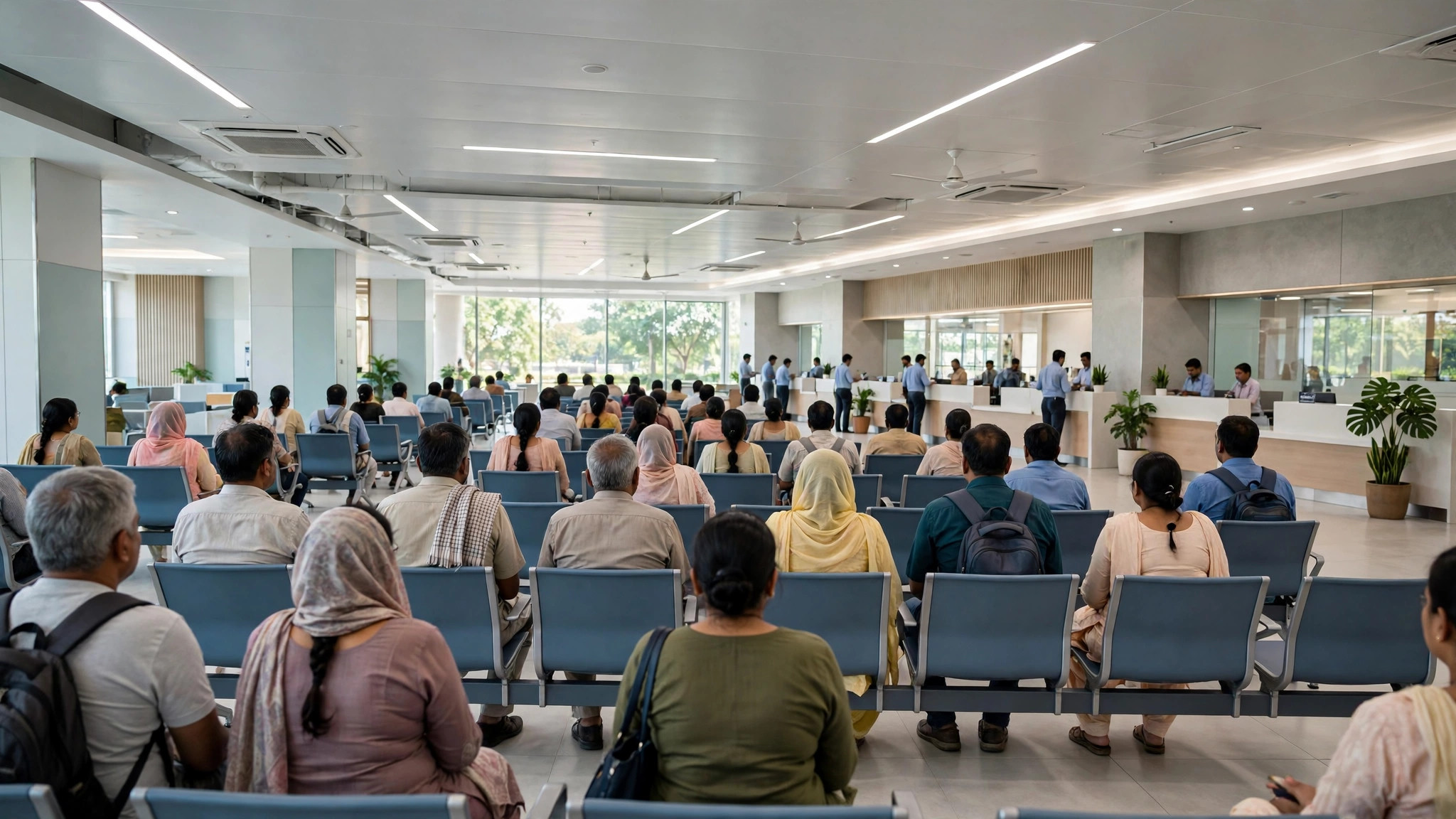
Anyone who has taken a parent to a hospital outpatient department in India knows the scene: the registration queue is already long at 8 a.m., the waiting hall is full by nine, and the doctor you came for sees sixty people before your number is called. Hospital crowds feel chaotic, but the OPD runs on strong patterns — registration batches, specialist clinic days, lab-report cycles and the working patient’s evening clinic. Understanding hospital OPD busiest times turns an unpredictable ordeal into a visit you can plan.
This guide maps the daily and weekly rhythm of hospital OPDs and smaller clinics, explains which hours to target for a shorter wait, and shows how Google Maps busyness data can help at the margin — with the honest caveat that at a hospital, the appointment system matters more than any crowd graph.
The morning registration rush
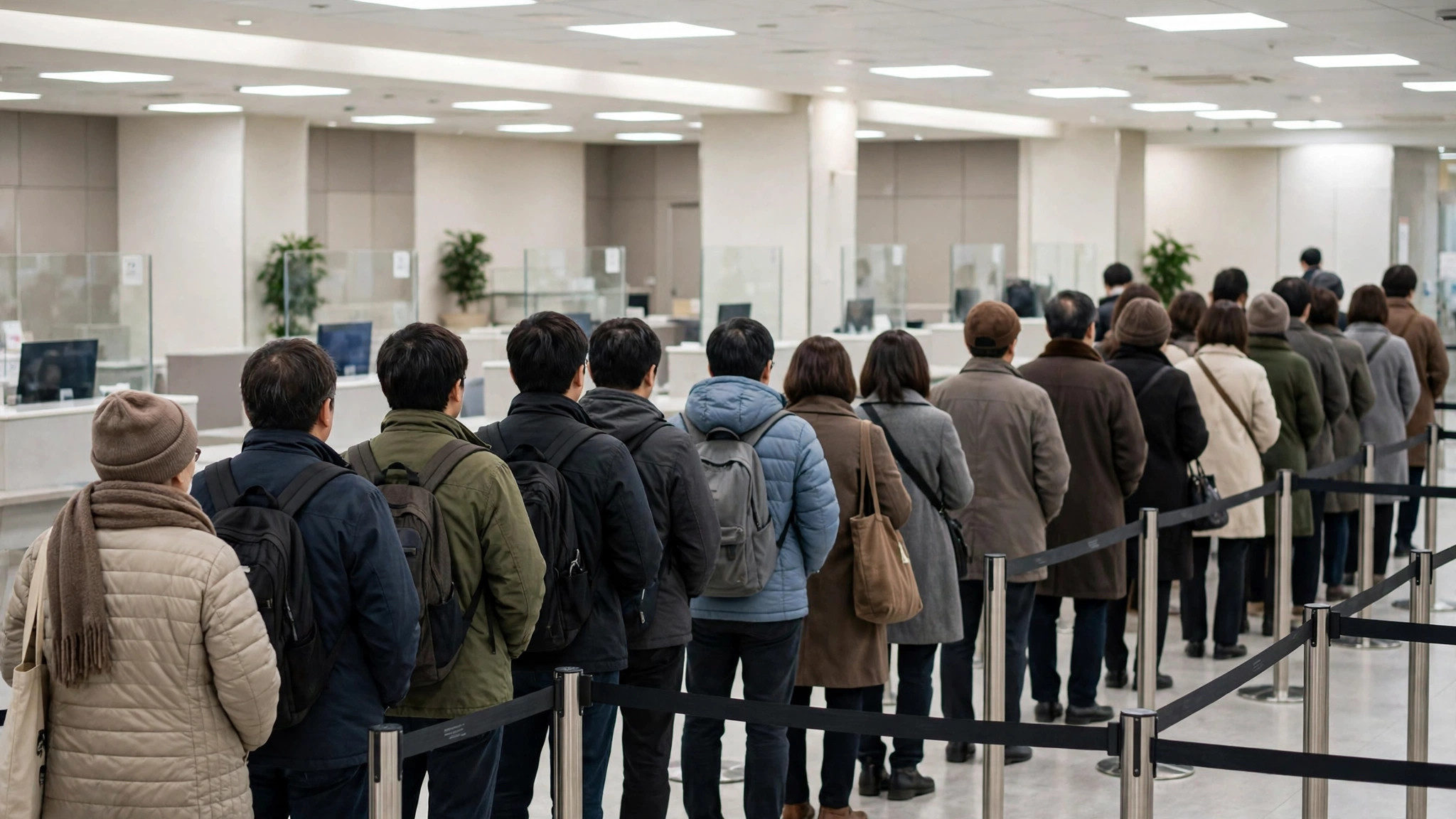
The OPD day starts before the doctors arrive. Registration and billing counters typically open well before the first consultation, and patients — many travelling from outside the city — queue early to secure a low token number. By the time consultations begin, the first batch of the day is already large, and it moves at the speed of the slowest step: registration, file creation, vitals, and then the consultation itself.
This creates the OPD’s defining pattern: a heavy front-loaded morning. The waiting hall looks worst between about 9 a.m. and 12 noon, not because more people keep arriving, but because the entire morning batch is present at once, waiting. New arrivals after midday often find a thinner hall — yet their wait is not always shorter, because the doctors are still working through the morning’s registrations.
For follow-up visits where the hospital lets you choose, the practical lesson is to separate the two queues in your mind. Arriving early helps only if registration order decides consultation order. Where the hospital runs timed appointments, arriving at your slot — not hours before — is the better strategy.
Specialist clinic days: the weekly spikes
Many hospital departments do not run every clinic every day. A senior consultant may hold OPD on specific weekdays, and those days pull crowds from the whole region. The diabetes clinic, the ortho clinic, the paediatric specialist day — each creates a weekly spike on its own weekday, while the same department is comparatively calm on other days when junior doctors run general consultations.
Patients travelling for a named specialist have no flexibility, but everyone else does. If your problem is routine and any doctor in the department can see you, ask at the help desk which days are general-clinic days and book those. Government hospitals publish their OPD schedules, and large private hospitals list doctor days on their websites and listings; checking before you book is worth more than any arrival-time trick.
Mondays carry an extra load everywhere: the weekend’s deferred problems arrive together, and patients discharged or referred on Friday return for follow-up. Fridays, in contrast, often thin out by afternoon as people avoid starting a treatment cycle just before the weekend.
The evening clinic pattern
Private clinics and hospital evening OPDs serve the working patient, and their curve is the mirror image of the morning hospital. A solo practitioner’s clinic typically fills from about 6 p.m., peaks between 7 p.m. and 9 p.m., and the wait grows with every walk-in who arrived just before you. Saturday evenings are the busiest of the week at many neighbourhood clinics, because the week’s postponed complaints finally get attention.
Evening clinics reward booking discipline. A confirmed appointment slot, even a rough one, beats a walk-in almost every evening of the week. If the clinic works purely on walk-in tokens, the two calmer windows are the first half hour after opening — before the peak builds — and the last stretch before closing, when new arrivals stop coming but the doctor is still clearing the list.
Labs, reports and the second-visit queue
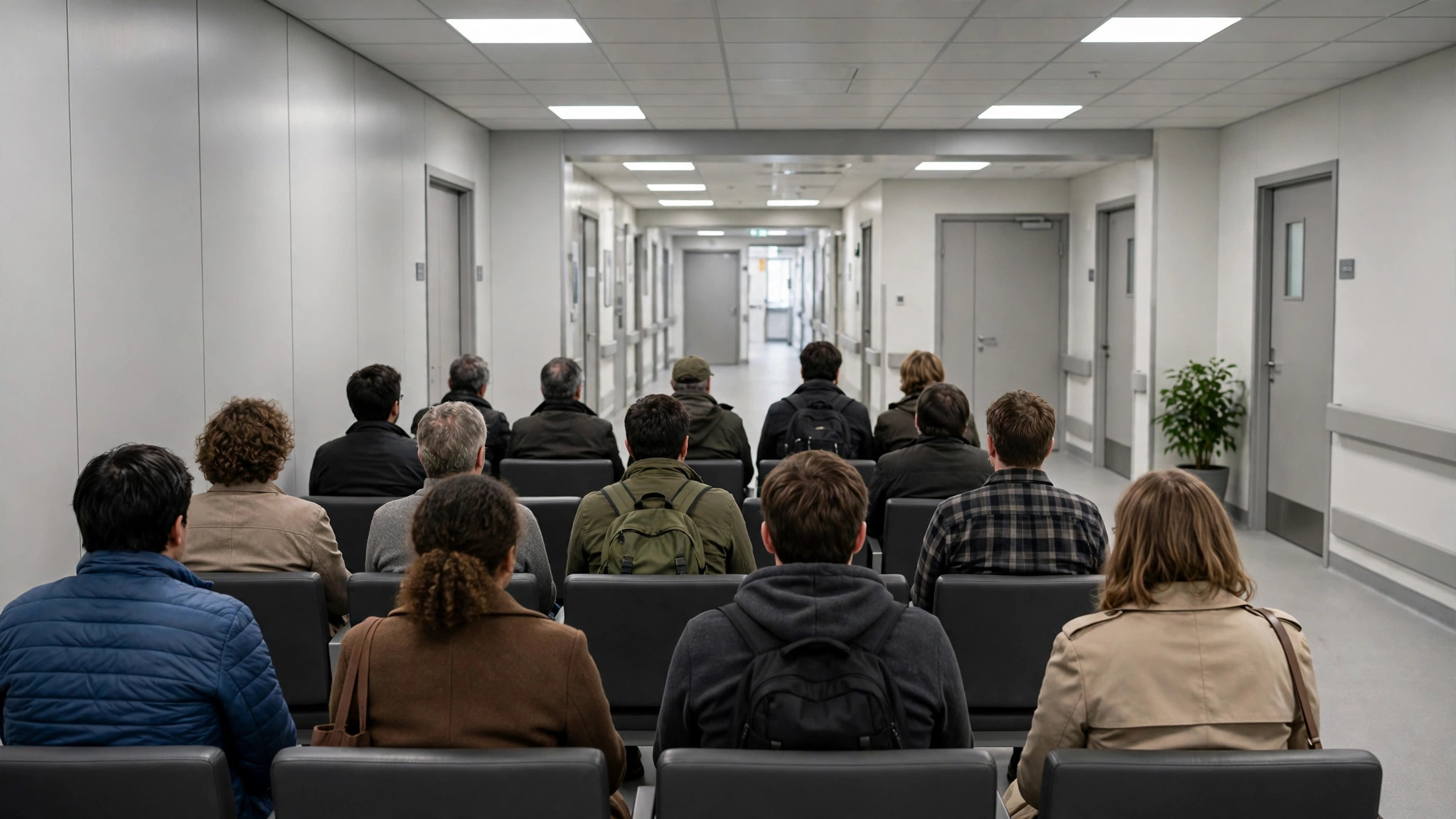
A hospital visit often generates a second visit: blood tests in the morning, reports in the afternoon, a review consultation the next day. Each step has its own crowd. The sample-collection counters peak in the early morning with fasting patients — the pattern covered in the guide to diagnostic lab busiest times — while report-collection and review queues build in the late afternoon when results are ready.
The pharmacy is the final bottleneck of almost every visit. Hospital pharmacies and the medical shops outside the gate peak exactly when the OPD batches end, late morning and again in the evening; the guide to pharmacy peak hours explains how to step around that rush. Planning your day so the pharmacy is your last stop — and not the whole morning batch’s last stop too — saves a surprising amount of time.
Hospital OPD Busiest Times on Google Maps: What the Graph Can Tell You
Large hospitals usually have Popular Times graphs on their Maps listings, and the graphs do capture the morning OPD build-up and the evening clinic peak. They are most useful for the places around the consultation itself: the hospital’s pharmacy, its diagnostic centre, nearby medical shops and the parking area. For the consultation queue itself, treat the graph as background colour, not a plan — your token or appointment governs your wait far more than the building’s overall footfall does.
Maps is genuinely helpful for one more thing: the journey. Checking live traffic before leaving for a morning appointment protects the slot you booked, and the general method in the explainer on how to see how busy a place is on Google Maps shows where each of these signals lives on a listing. Google only shows these graphs for listings with enough visit data, as Google’s documentation on popular times and visit data explains, which is why big multi-speciality hospitals show them and small clinics usually do not.
Seasonal surges: fever season, monsoon and post-festival weeks
Hospital crowds also move with the calendar. In much of India, the monsoon weeks bring a surge of fever, dengue, malaria and water-borne illness cases, and OPDs in affected cities run visibly hotter from July to September. Winter brings its own wave in the north — respiratory complaints, joint problems in older patients, and smog-related visits in Delhi and the Indo-Gangetic plain.
Festival seasons cut both ways. The weeks before a major festival are busy with people trying to finish treatment courses, while the festival days themselves can be strangely quiet in the OPD even as emergency departments fill. The week after a long festival break is one of the most crowded of the year, as deferred appointments land together.
Elective work follows a different logic again. Families often schedule planned consultations and procedures around school holidays, so paediatric and elective departments peak in the summer break even when general medicine does not. If your visit is plannable and not urgent, the calmest OPD weeks of the year are usually the unremarkable ones: no festival, no school break, no fever season, mid-month and midweek.

Government hospitals and private hospitals crowd differently
The patterns above hold everywhere, but intensity varies sharply by hospital type. Large government hospitals and medical colleges run the biggest OPDs in the country, with daily outpatient counts in the thousands. Their crowds start earliest, their registration queues are longest, and their specialist days are the sharpest spikes of all — patients travel overnight from surrounding districts for a named consultant’s clinic day. At these hospitals, arriving for registration well before counters open is genuinely necessary for walk-in patients, and the midday lull mainly helps the follow-up and report counters rather than fresh registrations.
Private hospitals run smaller, appointment-led OPDs. Their peaks are softer and later, clustered around the hours before and after office time, because their patients are fitting consultations around jobs. The bottleneck there is less the registration desk and more the individual consultant’s list: one popular doctor’s clinic can run ninety minutes behind while the rest of the floor is calm. In a private hospital, asking the desk about your specific doctor’s current queue position tells you more than any building-wide pattern.
Trust and charitable hospitals sit between the two — appointment systems of varying strictness, heavy genuine demand, and evening clinics that behave like private ones. Whichever type you use, the reading method is the same: identify which queue governs your visit — registration order, appointment slot, or a named doctor’s list — and time that queue, not the building.
Practical habits that shorten any hospital visit
- Book, don’t drift in. Use the hospital’s app, portal or phone line for an appointment wherever one exists; in many Indian states, government hospital OPD registration is also available online before you arrive.
- Front-load the paperwork. Carry previous reports, prescriptions and your health ID in one file; the review queue moves at the speed of the least organised file in it.
- Split the visit. Where the hospital allows it, do tests on a quieter afternoon and the consultation on a general-clinic day instead of forcing everything into one morning.
- Ask about teleconsultation for follow-ups. Stable follow-ups, report reviews and prescription renewals are exactly the visits many hospitals now happily move online.
- Plan the exit. Collect prescriptions and reports before heading to the pharmacy, and consider a quieter pharmacy near home for non-urgent medicines.
Frequently asked questions
What are the busiest hours in a hospital OPD?
Typically 9 a.m. to 12 noon, when the morning registration batch is waiting together. Mondays and specialist clinic days are the busiest days of the week.
Is it better to go to the OPD early in the morning?
Only if consultation order follows registration order. With timed appointments, arriving at your slot is better than arriving hours early and joining the waiting-hall crowd.
When are private clinics busiest?
Evenings, roughly 7 p.m. to 9 p.m., and Saturday evenings in particular. The first half hour after a clinic opens is usually its calmest window.
Can Google Maps tell me how long I will wait at a hospital?
Not reliably. The listing shows typical and live busyness for the building, but your actual wait depends on tokens, appointments and your department’s clinic day.
What is the quietest day for a routine OPD visit?
For most departments, a midweek day on a general-clinic schedule, in a week with no festival or school break, is the calmest option. If you can also split the visit — tests on one afternoon, consultation on another morning — you dodge both the sample-collection rush and the consultation peak instead of stacking them into a single crowded morning.
The bottom line
Hospital OPD busiest times follow the logic of batches and clinic days: a front-loaded morning, weekly spikes when senior specialists sit, and evening peaks at neighbourhood clinics. Book where booking exists, choose general-clinic days when the specialist’s name does not matter, split tests and consultations when you can, and use the Maps graph for the pharmacy, the parking and the journey rather than the consultation itself.
