
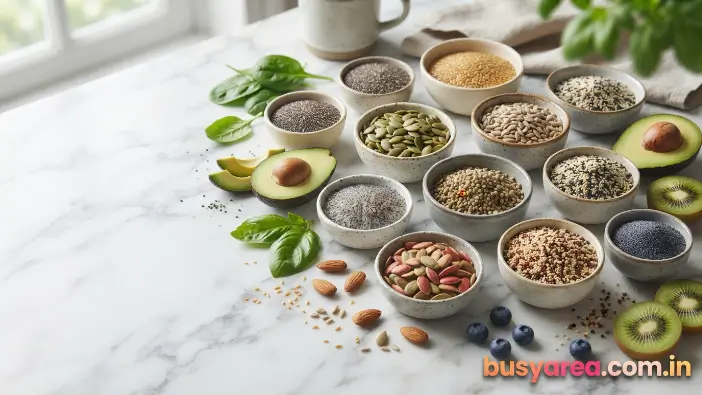
Welcome to Busy Area. Seeds are small nutritional powerhouses that provide essential nutrients needed for a healthy body. They contain a combination of fiber, protein, healthy fats, vitamins, minerals, and antioxidants that can support overall wellness. Unlike processed snacks, seeds offer natural nutrition in a compact form and can easily be added to everyday meals.
Many people ask which seeds are good for health because different seeds provide different benefits. Some seeds support digestion, some help maintain heart health, and others provide nutrients that support skin, hair, immunity, and energy levels. Choosing the right seeds can make your daily diet more balanced and nutrient-rich. Popular choices such as chia seeds, flax seeds, pumpkin seeds, sunflower seeds, and sesame seeds are considered nutrient-rich seeds and healthy superfoods because of their impressive nutritional profiles. When consumed in the right amount, these seeds can become a simple addition to a healthy lifestyle.
Why Are Seeds Good for Health?
Seeds are small but powerful sources of nutrition. People searching which seeds are good for health want foods that support digestion, heart health, energy, and overall wellness. Seeds provide protein, fiber, healthy fats, vitamins, minerals, and antioxidants that help maintain a balanced diet. Chia seeds, flax seeds, pumpkin seeds, and sunflower seeds are nutrient-rich seeds and popular superfoods. Adding these healthy diet foods to daily meals can improve nutrient intake and support a healthier lifestyle.
Nutrients Found in Healthy Seeds
Healthy seeds contain essential nutrients like protein, which supports muscle repair, and fiber, which improves digestion and helps control hunger. They are also rich in healthy fats, including omega-3 fatty acids that support heart and brain health.
Seeds provide important vitamins and minerals such as magnesium, zinc, calcium, iron, and vitamin E. These nutrients make seeds a valuable part of a balanced diet and a simple way to add more nutrient-rich foods to daily meals.
Healthy seeds provide essential nutrients that support overall health:
- Protein: Helps muscle growth, repair, and body strength.
- Fiber: Supports digestion, improves fullness, and helps maintain gut health.
- Healthy fats: Provide energy and support heart and brain function.
- Omega-3 fatty acids: Help support heart health and reduce inflammation.
- Vitamins and minerals: Provide nutrients like magnesium, zinc, calcium, iron, and vitamin E for overall wellness.
Health Benefits of Eating Seeds
Eating seeds regularly can provide many health benefits because they contain essential nutrients like fiber, protein, healthy fats, vitamins, and minerals. Including seeds in your daily diet may support digestion, heart health, weight management, skin health, and overall wellness. Seeds like chia, flax, pumpkin, and sunflower are considered nutrient-rich seeds and superfoods that can improve the quality of a balanced diet.
Health Benefits of Eating Seeds
- Better digestion: Seeds are high in fiber, which supports healthy digestion, improves bowel movement, and promotes gut health.
- Heart support: Healthy fats and omega-3 fatty acids in seeds help support heart health and maintain healthy cholesterol levels.
- Weight management: Fiber and protein in seeds help increase fullness, reduce cravings, and support healthy weight goals.
- Skin and hair health: Nutrients like vitamin E, zinc, and healthy fats help maintain healthy skin and stronger hair.
- Blood sugar support: Fiber and healthy fats in seeds may help maintain balanced blood sugar levels.
Top 10 Seeds That Are Good for Health
Different seeds provide different nutrients that support overall wellness. If you are looking for which seeds are good for health, options like chia, flax, pumpkin, sunflower, sesame, and other seeds can improve your daily nutrition. These nutrient-rich seeds contain protein, fiber, healthy fats, vitamins, minerals, and antioxidants that support a balanced lifestyle.
Chia Seeds
Chia seeds are one of the most popular superfoods because they contain fiber, plant-based protein, omega-3 fatty acids, calcium, and antioxidants. The chia seeds benefits include better digestion, improved fullness, and support for heart health. They are also commonly used as healthy diet foods for people focusing on chia seeds for weight loss.
Chia seeds can be added to smoothies, yogurt, oatmeal, or soaked in water to make chia pudding. Soaking chia seeds helps create a gel-like texture that may support digestion and hydration.
Flax Seeds
Flax seeds are a rich source of omega-3 fatty acids, fiber, and plant compounds called lignans. The benefits of flax seeds include supporting heart health, improving digestion, and adding essential nutrients to your diet. Flaxseed nutrition makes it a valuable choice for people looking for plant-based sources of healthy fats.
Ground flax seeds are easier for the body to absorb than whole seeds. They can be mixed into smoothies, cereals, salads, or baked foods for a simple nutritional boost.
Pumpkin Seeds
Pumpkin seeds are packed with magnesium, protein, zinc, and antioxidants. The pumpkin seeds benefits include supporting immunity, muscle function, energy production, and overall health. Their high mineral content makes them a popular choice among nutrient-rich seeds.
You can eat pumpkin seeds as a snack or add them to salads, oatmeal, and homemade energy bars. A small serving provides important nutrients while adding a crunchy texture to meals.
Sunflower Seeds
Sunflower seeds are rich in vitamin E, healthy fats, selenium, and antioxidants. They help protect cells from damage and support skin health. The antioxidants in these healthy diet foods make them a useful addition to a balanced eating plan.
Regular consumption of sunflower seeds may support glowing skin and overall wellness. They can be eaten alone, added to salads, or mixed with other seeds for a nutritious snack.
Sesame Seeds
Sesame seeds contain calcium, magnesium, healthy fats, and antioxidants. They support bone health and provide important minerals needed for strong bones and body functions. Their nutritional value makes them a popular choice among superfoods.
Sesame seeds can be added to salads, breads, sauces, and traditional dishes. They are a simple way to increase mineral intake while improving the flavor of meals.
Hemp Seeds
Hemp seeds are known for their high plant protein content and healthy fats. They contain essential amino acids that support muscle health and body repair. These nutrient-rich seeds are a good option for people following plant-based diets.
Hemp seeds have a mild nutty flavor and can be added to smoothies, yogurt, salads, and protein bowls. They provide balanced nutrition in a small serving.
Basil Seeds (Sabja Seeds)
Basil seeds, also called sabja seeds, are known for their fiber content, hydration benefits, and cooling properties. They are often used in drinks and desserts because they absorb water and create a refreshing texture.
These seeds may support digestion and help maintain hydration during hot weather. Adding soaked basil seeds to beverages is a simple way to include these healthy diet foods in your routine.
Pomegranate Seeds
Pomegranate seeds are rich in antioxidants, vitamins, and plant compounds that support overall health. They are known for helping protect cells and supporting heart health as part of a balanced diet.
These seeds can be eaten fresh, added to salads, yogurt, or smoothies. Their sweet flavor and antioxidant content make them a healthy addition to daily meals.
Watermelon Seeds
Watermelon seeds contain protein, healthy fats, magnesium, iron, and other minerals. They provide energy-supporting nutrients and can be a beneficial part of a balanced diet.
Roasted watermelon seeds make a healthy snack option. They can also be added to trail mixes or eaten with other nutrient-rich seeds for extra nutrition.
Quinoa Seeds
Quinoa seeds are known as a complete protein source because they contain all essential amino acids. They provide fiber, minerals, and balanced nutrition, making them a popular choice for healthy diets.
Quinoa can be used in salads, bowls, and meals as a nutritious alternative to refined grains. Its combination of protein and nutrients makes it one of the most valuable superfoods for balanced eating.
Read Also: which bread is good for health
Healthy Seeds Comparison Table
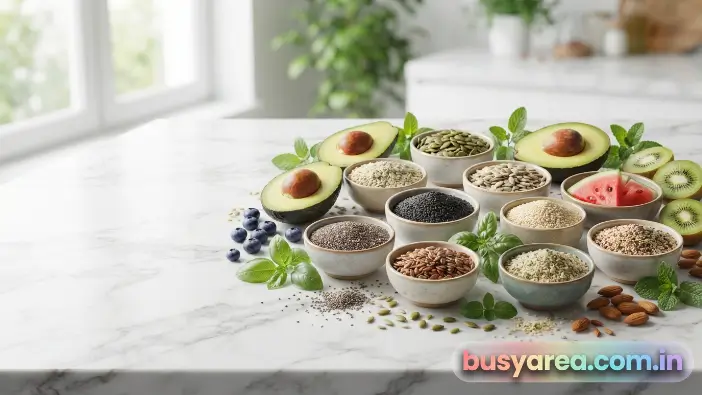
Different seeds provide different nutrients and health benefits. If you are exploring which seeds are good for health, this comparison table helps you choose the right seeds based on your nutrition needs. These nutrient-rich seeds can support digestion, heart health, immunity, skin health, and bone strength.
| Seed | Main Nutrients | Main Benefits |
| Chia Seeds | Fiber, Omega-3 | Digestion support |
| Flax Seeds | Omega-3, Fiber | Heart health |
| Pumpkin Seeds | Magnesium, Protein | Immunity support |
| Sunflower Seeds | Vitamin E | Skin health |
| Sesame Seeds | Calcium | Bone health |
Best Seeds for Different Health Goals
Different seeds provide specific nutrients that support different health needs. If you are searching which seeds are good for health, choosing seeds according to your goal can help improve nutrition. These nutrient-rich seeds provide fiber, healthy fats, vitamins, minerals, and antioxidants.
Best Seeds for Weight Loss
Chia seeds and flax seeds are popular choices for weight management because they are high in fiber. Fiber helps increase fullness, control hunger, and support healthy eating habits.
Benefits:
- Chia seeds: High in fiber, support fullness, and help reduce cravings.
- Flax seeds: Provide fiber and healthy fats that support weight management.
- High fiber benefits: Improve digestion and help maintain a balanced diet.
Best Seeds for Heart Health
Flax seeds, pumpkin seeds, and sesame seeds contain nutrients that support heart health. They provide omega-3 fatty acids, healthy fats, and minerals that support cardiovascular wellness.
Benefits:
- Flax seeds: Rich in omega-3 fatty acids and fiber for heart support.
- Pumpkin seeds: Provide magnesium and healthy fats that support heart function.
- Sesame seeds: Contain healthy fats and antioxidants for overall heart health.
Best Seeds for Skin and Hair
Sunflower seeds, pumpkin seeds, and chia seeds contain nutrients that support healthy skin and hair. They provide vitamin E, zinc, antioxidants, and healthy fats.
Benefits:
- Sunflower seeds: Rich in vitamin E to support healthy skin.
- Pumpkin seeds: Provide zinc and nutrients for stronger hair.
- Chia seeds: Contain omega-3 fats that support skin health.
Best Seeds for Digestion
Chia seeds, basil seeds, and flax seeds are rich in fiber and support a healthy digestive system. They help improve digestion and maintain gut health.
Benefits:
- Chia seeds: Provide fiber that supports regular digestion.
- Basil seeds: Help with hydration and digestive comfort.
- Flax seeds: Improve fiber intake and support bowel health.
How to Eat Seeds Daily
Adding seeds to your daily diet is an easy way to increase nutrients like protein, fiber, healthy fats, vitamins, and minerals. If you are searching which seeds are good for health, including different seeds in your meals can support digestion, energy, heart health, and overall wellness. These nutrient-rich seeds are simple to use and provide valuable nutrition in small amounts.
Easy Ways to Add Seeds to Meals
Seeds are versatile and can be added to everyday meals without much preparation. Mixing different seeds with regular foods is a simple way to increase nutrient intake and make meals more filling.
Ways to add seeds:
- Smoothies: Add chia, flax, or hemp seeds for extra fiber, protein, and omega-3 fatty acids.
- Yogurt: Mix seeds with yogurt for a healthy snack with added nutrients.
- Oatmeal: Sprinkle seeds on oatmeal for more fiber, minerals, and healthy fats.
- Salads: Add pumpkin, sunflower, or sesame seeds for extra crunch and nutrition.
- Energy bars: Include mixed seeds in homemade energy bars for a healthy snack.
You can also add seeds to soups, sandwiches, baked foods, and homemade granola. Combining different seeds creates a balanced mix of nutrients and makes your diet more varied.
Recommended Daily Amount
Eating seeds in the right amount helps you get benefits without digestive problems. A balanced intake of seeds can support a healthy lifestyle.
Tips:
- Start with small amounts: Begin with 1–2 tablespoons daily and increase slowly.
- Avoid overeating: Too many seeds may add extra calories or cause digestive discomfort.
- Drink enough water: Proper hydration helps fiber-rich seeds support digestion.
- Choose variety: Mix different seeds to get a wider range of nutrients.
A daily combination of different healthy diet foods and seeds can help create a balanced and nutritious eating pattern.
Common Mistakes When Eating Seeds
Eating seeds incorrectly can reduce their benefits and may cause digestive problems. If you know which seeds are good for health, it is also important to understand the right quantity, storage, and preparation methods. These nutrient-rich seeds provide better results when consumed properly.
Eating Too Many Seeds
Seeds are healthy but high in calories and fiber. Eating too many seeds may increase calorie intake and cause bloating, gas, or stomach discomfort, especially for people who are not used to high-fiber foods.
To avoid these issues, start with small amounts and increase gradually. Eating a balanced quantity of different seeds helps you get benefits without unnecessary calories or digestive problems.
Poor Storage
Proper storage is important to maintain the freshness and nutrition of seeds. Exposure to air, heat, moisture, and sunlight can reduce their quality and affect their taste.
Store seeds in airtight containers and keep them in a cool, dry place. Seeds like flax seeds can be refrigerated to maintain freshness and protect their healthy fats.
Not Preparing Seeds Properly
Some seeds need proper preparation to improve digestion and nutrient absorption. Eating seeds without preparation may reduce their nutritional benefits and make them harder to digest.
Soak chia seeds and basil seeds before eating to improve texture and digestion. Grinding flax seeds helps the body absorb their nutrients more effectively.
Possible Side Effects of Eating Seeds
Seeds are healthy and provide important nutrients like fiber, protein, healthy fats, vitamins, and minerals. However, eating too many seeds or consuming them without considering your health needs may cause some problems. Although many people benefit from which seeds are good for health, it is important to eat nutrient-rich seeds in the right amount and choose seeds that suit your body.
Allergies
Some people may be allergic to certain seeds, especially if their body reacts negatively to specific foods. Eating allergic seeds may cause symptoms like itching, skin irritation, swelling, stomach discomfort, or breathing problems in severe cases.
If you experience any allergic reaction after eating seeds, stop consuming them and seek medical advice. Always choose healthy diet foods that match your body’s tolerance and avoid seeds that trigger allergies.
Digestive Problems
Seeds contain a high amount of fiber, which is beneficial for digestion but may cause discomfort when consumed in large quantities. Eating too many seeds at once can lead to bloating, gas, constipation, or stomach pain.
To prevent digestive issues, start with small portions and increase intake slowly. Drinking enough water also helps your body process the fiber found in these superfoods more easily.
Excess Calories
Seeds are rich in healthy fats and nutrients, but they are also high in calories. Eating large amounts daily can increase calorie intake and may affect weight management goals.
To get the benefits without extra calories, consume seeds in moderate portions. Include them as part of a balanced diet instead of treating them as unlimited snacks.
Medication Concerns
Some seeds may affect how certain medicines work because of their high fiber content or nutrient properties. For example, large amounts of fiber may reduce the absorption of some medications.
People who take regular medicines or have health conditions should consult a healthcare professional before increasing seed intake. Eating the right amount of seeds helps maintain benefits while avoiding possible concerns.
Frequently Asked Questions
Which seeds are good for health?
Chia, flax, pumpkin, sunflower, and sesame seeds provide essential nutrients like fiber, protein, healthy fats, vitamins, and minerals.
How many seeds should I eat daily?
Eating 1–2 tablespoons of seeds daily is enough to gain health benefits without consuming excessive calories.
Which seeds help with weight loss?
Chia and flax seeds are high in fiber, helping control hunger, improve fullness, and support healthy weight management.
Can I eat different seeds together?
Yes, mixing different seeds provides a variety of nutrients and improves overall nutritional value in daily meals.
Should seeds be soaked before eating?
Chia and basil seeds benefit from soaking, while flax seeds are better consumed after grinding for absorption.
Conclusion
Choosing the right seeds can improve your daily nutrition and support overall wellness. If you are searching for which seeds are good for health, chia, flax, pumpkin, sunflower, and sesame seeds are excellent options because they provide fiber, protein, healthy fats, vitamins, and minerals.
Including these nutrient-rich seeds in a balanced diet can support digestion, heart health, weight management, skin, and hair health. Eat seeds in moderate amounts, prepare them properly, and choose varieties that match your health goals for the best benefits.
