

Cooking oil is one of the most overlooked yet essential parts of everyday nutrition. The type of oil you choose can significantly influence long-term well-being, especially when it comes to heart function, cholesterol balance, and overall dietary quality. Many people use oil daily without realizing that different oils behave very differently inside the body, depending on their fat composition and processing method
Understanding which oils are good for health is important because not all oils support the same health goals. Some oils promote better heart health, while others are more suitable for high-heat cooking or weight management. In today’s world, where processed foods and refined ingredients are common, choosing the right oil becomes a key part of maintaining healthy cooking oils in your daily diet and supporting overall nutrition.
What Makes an Oil Healthy?
Understanding what makes an oil healthy is essential before deciding which one to use in daily cooking. Not all oils affect the body in the same way, and their health impact depends on their fat composition, processing method, and how they react at different cooking temperatures. When people evaluate which oil is good for health, they often overlook key scientific factors such as fatty acid balance, stability during heating, and nutrient retention, all of which directly influence long-term wellness.
Types of Fats in Oils
Oils contain different types of fats, and each type plays a unique role in human health. The three main categories are saturated fats, monounsaturated fats, and polyunsaturated fats. Saturated fats are typically solid at room temperature and are found in oils like coconut and palm oil. Monounsaturated fats are considered heart-friendly and are present in olive and avocado oils. Polyunsaturated fats include essential omega-3 and omega-6 fatty acids, which the body cannot produce on its own and must obtain from the diet.
From a health perspective, the balance between these fats is more important than eliminating any single type. Excess saturated fat intake may increase cholesterol levels, while monounsaturated fats help support heart health. Polyunsaturated fats contribute to brain function and inflammation control, but imbalance—especially too much omega-6 compared to omega-3—can negatively affect oxidation processes in the body. This is why choosing oils with a healthy fat profile is critical when determining which oil is good for health.
Smoke Point Explained
The smoke point refers to the temperature at which an oil begins to break down and produce smoke. This is important because when oil exceeds its smoke point, it loses nutritional value and can release harmful compounds. Understanding this concept helps you choose the right oil for different cooking methods, especially when considering cooking temperature and food safety.
High smoke point oils like avocado oil and peanut oil are suitable for frying and grilling, while low smoke point oils like extra virgin olive oil are better for salads and light sautéing. Using the wrong oil at high heat can lead to degradation and reduced health benefits. Therefore, matching oil type with cooking method is essential when evaluating which oil is good for health for everyday use.
Refined vs Cold-Pressed Oils
Refined oils undergo heavy processing involving high heat and chemical treatment to improve shelf life and stability. While this makes them suitable for high-temperature cooking, it often reduces their natural nutrients and antioxidants. In contrast, cold-pressed oils are extracted without heat, preserving more natural compounds, including vitamins and beneficial fatty acids.
The processing method also affects how oils behave in the body. Refined oils may be more stable during cooking, but they can lose some nutritional value due to oxidation during processing. Cold-pressed oils retain more nutrients but may have a lower smoke point, making them better suited for raw or low-heat applications. Choosing between these two depends on your cooking habits and health priorities when deciding which oil is good for health.
Top Healthy Oils for Daily Use
Choosing the right cooking oil plays a major role in overall nutrition and long-term wellness. Different oils offer different benefits depending on their fat composition, stability, and cooking suitability. When evaluating which oil is good for health, it is important to consider the best cooking oils that provide a balance of nutrition, flavor, and safety for everyday use. Below are some of the most commonly used heart-friendly oils and how they support different health needs.
Olive Oil – Best for Heart Health
Olive oil is widely regarded as one of the healthiest oils in the world, especially extra virgin olive oil, which is minimally processed and nutrient-rich. It is a staple in Mediterranean diets and is known for supporting cardiovascular wellness and reducing inflammation.
- Rich in monounsaturated fats: These fats help lower bad cholesterol (LDL) and improve good cholesterol (HDL), supporting long-term heart health.
- Anti-inflammatory properties: Olive oil contains antioxidants like polyphenols that help reduce inflammation in the body, which is linked to many chronic diseases.
- Best for salads & low-heat cooking: It is ideal for drizzling over salads, dips, and light sautéing, as high heat can reduce its nutritional quality.
Overall, olive oil is one of the top choices when deciding which oil is good for health, especially for those focusing on heart protection and clean eating. Its rich antioxidant profile and healthy fat composition make it one of the most reliable sources of healthy fats.
Avocado Oil – High Smoke Point & Nutrients
Avocado oil is a nutrient-dense oil that has gained popularity due to its versatility and high smoke point. It is extracted from avocado pulp and is packed with essential nutrients that support overall well-being.
- Ideal for frying and grilling: Its high smoke point makes it suitable for high-heat cooking methods without breaking down or producing harmful compounds.
- Rich in vitamin E and healthy fats: It contains antioxidants and monounsaturated fats that help support skin health and cardiovascular function.
Avocado oil is considered one of the most balanced cooking oils because it combines heat stability with strong nutritional value. It is a great option for people who want a flexible oil that fits multiple cooking styles while still supporting health goals.
Coconut Oil: Controversial but Popular
Coconut oil is widely used in both traditional and modern diets, especially in tropical regions. It is unique due to its high content of medium-chain triglycerides (MCTs), which are metabolized differently compared to other fats.
- Medium-chain triglycerides: These fats are quickly converted into energy by the body and may support metabolism and energy levels.
- Benefits and concerns for cholesterol: While it may provide quick energy, its high saturated fat content can raise LDL cholesterol in some individuals, making moderation important.
Coconut oil remains a debated choice when discussing which oil is good for health, as it offers both potential metabolic benefits and cardiovascular concerns. It should be used carefully within a balanced diet.
Mustard Oil – Traditional Healthy Choice
Mustard oil is a traditional cooking oil commonly used in South Asian cuisine, known for its strong flavor and medicinal properties. It has been used for generations in cooking and therapeutic applications.
- Common in South Asian cooking: It is widely used for frying, sautéing, and pickling, especially in Indian, Pakistani, and Bangladeshi cuisines.
- Good for heart health in moderation: It contains omega-3 fatty acids and monounsaturated fats that may support cardiovascular health when used appropriately.
Mustard oil is often included in discussions about heart-friendly oils due to its nutritional profile and cultural significance. It is a strong contender for people seeking traditional yet healthy cooking options.
Sunflower Oil – Widely Used but Moderation Needed
Sunflower oil is one of the most commonly used cooking oils worldwide due to its light flavor and affordability. However, its health impact depends on how it is used and balanced within the diet.
- High omega-6 content: While omega-6 fatty acids are essential, excessive intake without enough omega-3 balance may contribute to inflammation.
- Balanced use recommendations: It is best used in moderation and combined with other oils to maintain a healthy fatty acid balance.
Sunflower oil is often considered a standard option among the best cooking oils, but it requires mindful usage to ensure it supports rather than disrupts health goals. Proper balance is key when evaluating which oil is good for health.
Groundnut (Peanut) Oil – Stable for Cooking
Groundnut oil, also known as peanut oil, is widely used for deep frying and everyday cooking due to its stability at high temperatures. It has a mild flavor that does not overpower food.
- Good smoke point: It remains stable at high temperatures, making it suitable for frying and stir-frying without breaking down easily.
- Suitable for frying: Its neutral taste and heat resistance make it a practical choice for everyday cooking and restaurant use.
Groundnut oil is considered one of the most reliable heart-friendly oils when used appropriately. It offers a good balance of flavor, stability, and nutritional value, making it a practical option in determining which oil is good for health in daily cooking.
Oils to Limit or Avoid
Oils to limit or avoid are often highly processed, repeatedly heated, or contain unhealthy fats that negatively affect heart health, cholesterol levels, and overall nutrition. Regular consumption of such oils can increase inflammation and raise long-term health risks. Understanding which oils fall into this category helps you make better dietary decisions when choosing which oil is good for health and maintaining a balanced, nutritious lifestyle for long-term well-being and overall health.
- Hydrogenated oils contain trans fats that significantly increase bad cholesterol levels and should always be avoided for better heart health.
- Reused frying oils break down at high temperatures, producing toxic compounds that can harm the digestive system and long-term cardiovascular health.
- Palm oil in excess contributes to high saturated fat intake, increasing cholesterol levels, and raising the risk of heart-related diseases.
- Refined vegetable oils lose nutrients during processing and may contain unhealthy oxidized compounds when repeatedly used in the cooking process, such as heating.
- Excess omega-6-rich oils can create an imbalance with omega-3, leading to inflammation and poor metabolic health over time in the body.
- Deep-frying oils used multiple times degrade rapidly, increasing free radicals that negatively affect liver and heart function.
- Cheap industrial seed oils are heavily processed, lacking natural antioxidants, and often contribute to chronic inflammation in the body long term.
- Cooking oils stored improperly can oxidize quickly, reducing nutritional value and increasing harmful compounds that affect overall health, quality, and safety.
- Animal-based saturated fats in processed oils can raise LDL cholesterol levels and significantly increase the risk of cardiovascular issues.s
- Fast food oils are often reheated many times, reducing nutritional quality and creating harmful compounds linked to disease long exposure
Read also: Which oil is good for health
Best Oil for Different Health Goals
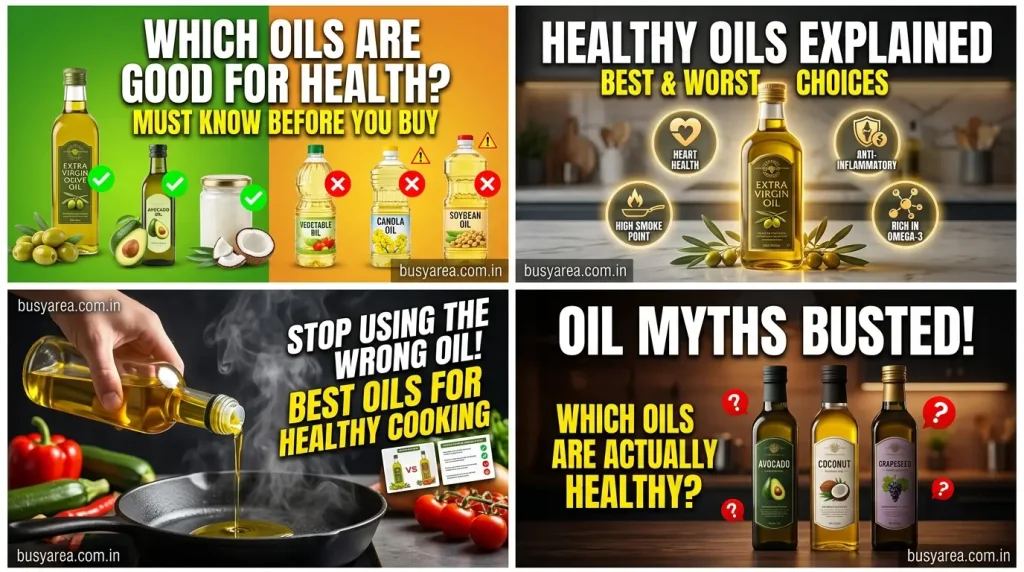
Choosing the right cooking oil depends on individual health goals, dietary habits, and cooking methods. Different oils provide different benefits, and no single oil is perfect for every purpose. When understanding which oil is good for health, it is important to match oils with specific needs, such as heart protection, weight management, or cooking temperature requirements. Using the right cooking oils for each goal ensures better nutrition and long-term wellness.
For Heart Health
For maintaining a healthy heart, oils that are rich in monounsaturated fats and omega fatty acids are the best choice. These oils help manage cholesterol levels and support overall cardiovascular function when used regularly in balanced amounts. Olive oil and mustard oil, these oils are rich in heart-friendly fats and antioxidants that help reduce bad cholesterol and support healthy blood circulation.
Using these oils consistently in daily meals can significantly improve heart-friendly oils intake and reduce risks associated with cardiovascular diseases. They are especially effective when used in place of highly processed or refined cooking oils.
For Weight Loss
Weight management depends not only on calorie intake but also on the type of fats consumed. Certain oils can support metabolism and help the body use energy more efficiently when used in moderation. Avocado oil and coconut oil may support quick energy release due to MCTs, while avocado oil provides healthy fats that promote satiety and better nutrient absorption.
Including these oils in a controlled diet can help improve fat metabolism and support a healthy balance of fats. However, portion control is important to avoid excess calorie intake.
For High-Heat Cooking
High-heat cooking methods such as frying, grilling, and roasting require oils that remain stable at high temperatures. Using the wrong oil in such conditions can lead to breakdown and harmful compounds. Avocado oil and peanut oil are oils that have high smoke points, making them stable and safe for frying, sautéing, and other high-temperature cooking methods.
Choosing stable oils for cooking ensures better retention of nutrients and reduces the risk of oxidation. This is especially important when deciding which oil is good for health in everyday cooking practices involving heat.
For Salad & Raw Use
Raw consumption of oils requires nutrient-rich, minimally processed options that retain their natural antioxidants and flavor. These oils are not exposed to heat, so their nutritional value remains intact. Extra virgin olive oil and flaxseed oil are rich in antioxidants and omega-3 fatty acids that support overall health and reduce inflammation in the body.
Using these oils in salads and cold dishes helps maximize intake of the best cooking oils in their purest form. They are ideal for improving nutrient absorption and supporting long-term wellness when used regularly in raw applications.
Common Mistakes People Make When Using Oils
Many people assume that simply switching to a “healthy” cooking oil automatically improves overall nutrition, but the reality is more complex. The way oil is stored, heated, reused, and consumed has a major impact on its health benefits. Even high-quality oils can become harmful when used incorrectly. That is why understanding these mistakes is essential when deciding which oil is good for health, especially if you want to maintain a balanced diet using healthy cooking oils in everyday meals.
Overheating oils beyond the smoke point
Overheated oil happens when it is used at a temperature higher than its smoke point, causing it to break down chemically. At this stage, the oil loses its beneficial nutrients and starts producing harmful compounds that can affect food quality and safety. This is especially common during frying or high-heat cooking when people do not monitor temperature properly.
When oils are overheated, they undergo rapid oxidation, leading to the formation of free radicals and toxic byproducts. These substances can contribute to inflammation in the body and may negatively impact heart and digestive health over time. Choosing the right oil for the right cooking temperature is essential, because even the healthiest oil can become unhealthy if it is repeatedly overheated.
Reusing frying oil
Reusing frying oil multiple times is a widespread practice, especially in households and small food businesses, but it significantly reduces oil quality. Every time oil is heated, its chemical structure changes, making it thicker, darker, and less stable. This process also strips away nutrients and increases the formation of harmful compounds.
Repeated heating leads to increased oxidation and the buildup of polar compounds, which are linked to digestive stress and cardiovascular risks. Over time, reused oil becomes one of the least safe forms of cooking oils for consumption. Even if the oil originally had health benefits, continuous reuse transforms it into a potentially harmful substance that should be avoided.
Assuming “natural” means always healthy.
A common misconception is that all natural oils are automatically good for health. While natural oils may come from plants or seeds, their nutritional value depends on fat composition, processing method, and usage. Some natural oils can still be high in saturated fats or unbalanced in fatty acid ratios.
This misunderstanding often leads people to overuse certain heart-friendly oils without considering moderation or suitability for specific cooking methods. For example, an oil may be natural but still unsuitable for deep frying or daily heavy use. Therefore, the label “natural” is not enough—understanding nutritional structure is more important when deciding which oil is good for health.
Excess daily consumption
Even healthy oils can become harmful when consumed in large quantities because oils are extremely calorie-dense. One tablespoon of oil contains a significant number of calories, which can quickly add up if used without control in daily cooking.
Excess intake disrupts the balance of healthy fats in the body and may contribute to weight gain, high cholesterol, and metabolic issues over time. Many people unknowingly exceed their daily oil requirement by using it generously in multiple meals. Proper portion control is essential because moderation plays a bigger role than oil type when determining which oil is good for health in the long run.
Expert Tips for Healthier Oil Consumption
Healthily using cooking oil is just as important as choosing the right type of oil. Even the best oils can lose their nutritional value if not stored, heated, or consumed properly. Experts recommend focusing on balance, moderation, and proper cooking methods to maximize benefits. When understanding which oil is good for health, following expert guidance helps you get the most from healthy cooking oils while reducing risks linked to poor usage habits and improving long-term nutrition.
Expert Tips for Healthier Oil
- Rotate oils like olive, mustard, and avocado to maintain balanced fatty acids and improve overall heart health naturally
- Use minimal oil in cooking to reduce calorie intake while still preserving flavor and essential nutrients effectively.
- Store oils in dark, cool places to prevent oxidation and maintain freshness, quality, and nutritional value over time
- Prefer cold-pressed oils for salads and light cooking as they retain more vitamins, antioxidants, and natural healthy fats
- Avoid overheating oils beyond their smoke point to prevent toxic compound formation and maintain safe cooking temperature control. Choose high smoke point oils like avocado or peanut oil for frying and grilling to ensure safer cooking methods
- .Limit processed and refined oils because they often lose nutrients and may contain less beneficial fatty acids overall
- Avoid reusing frying oil multiple times since it degrades quickly and produces harmful substances that negatively affect heart health. Balance omega-3 and omega-6 intake through diet to support anti-inflammatory processes and better metabolic health in the body
- Measure oil portions carefully in daily meals to prevent excess calorie consumption and maintain healthy weight management goals
Frequently Asked Questions
Which oil is best for daily cooking?
Olive oil, mustard oil, avocado oil, and peanut oil are among the best options for daily cooking, depending on heat and usage needs.
Is coconut oil healthy or not?
Coconut oil can be healthy in moderation due to MCTs, but it is high in saturated fats, so excessive use is not recommended.
Which oil is best for heart health?
Extra virgin olive oil and mustard oil are widely considered best for heart health because they contain beneficial unsaturated fats and antioxidants.
Can I use the same oil for frying and salad?
It is not ideal. High-heat oils like avocado or peanut oil should be used for frying, while olive or flaxseed oil is better for salads.
How many types of oils should I use daily?
Experts recommend rotating 2–3 types of oils to maintain a balance of fatty acids and improve overall nutrition.
Conclusion
Choosing the right cooking oil plays a crucial role in maintaining long-term health, especially when it comes to heart function, weight management, and overall nutrition. Every oil has a different fat composition, smoke point, and processing level, which means there is no single “perfect” oil for all purposes. Understanding which oils are good for health helps you make informed decisions and select the right option for each cooking method while maintaining balance in your diet using healthy cooking oils.
The key to better health is not only selecting the right oil but also using it correctly in daily life. Moderation, proper storage, and avoiding overheating or reusing oil can significantly improve its benefits. By rotating different oils and focusing on quality rather than quantity, you can support better heart health, reduce health risks, and build a more balanced and nutritious lifestyle over time..
