
Introduction
The growth of online shopping and digital payments has made financial transactions faster and more convenient. Consumers can purchase products, pay bills, and manage accounts from almost anywhere. At the same time, this digital transformation has created new opportunities for criminals to steal and misuse payment information.
One name that has appeared in online discussions about underground payment-card markets is bclub. It has been associated in some online sources with the unauthorized trade of payment-card information, including data connected with CVV2 codes. This makes the subject relevant to cybersecurity researchers, businesses, financial institutions, and everyday internet users.
Understanding bclub.tk does not require interacting with underground services. In fact, learning about the risks surrounding card-data markets is most useful from a defensive perspective. By understanding how payment information can be compromised and what CVV2 fraud can mean for victims, people can take practical steps to protect their finances and personal information.
Note: This article discusses Bclub and CVV2 fraud from a cybersecurity and consumer-safety perspective. It does not provide instructions for accessing, purchasing, validating, or using stolen payment-card information, and it does not independently verify the current operation or ownership of any particular Bclub website.
What Is Bclub?
Bclub is a name that has been referenced in discussions concerning underground marketplaces associated with stolen payment-card information.
Underground card-data markets are part of a broader cybercrime ecosystem in which financial information obtained without authorization may be distributed or offered to other criminals. These environments can be difficult to investigate because operators may use anonymous identities, constantly changing infrastructure, and other methods intended to make attribution difficult.
It is also important to approach online claims about Bclub carefully. A website name or domain does not, by itself, prove who operates it, whether it is currently active, or whether every claim made about it is accurate.
Websites can disappear, change domains, change ownership, or be replaced by imitation sites. As a result, discussions about Bclub should be separated from independently verified cybersecurity findings.
The broader issue, however, is clear: unauthorized access to payment information presents substantial risks to cardholders and businesses.
What Is CVV2?
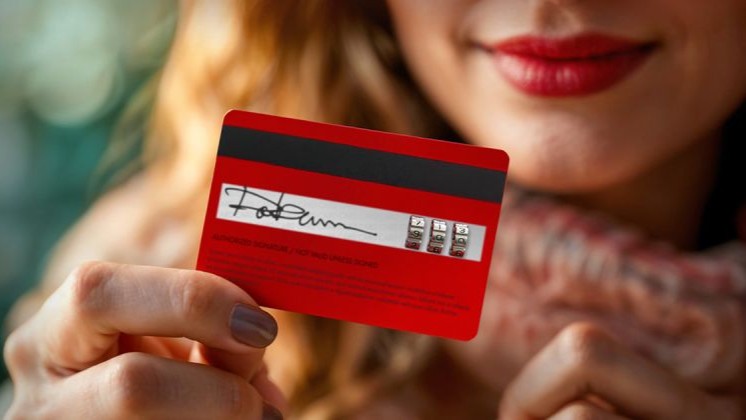
CVV2 stands for Card Verification Value 2. It is a security code associated with many payment cards and is commonly used as an additional verification measure for card-not-present transactions.
For many Visa and Mastercard cards, the CVV2 is a three-digit number printed on the back of the card. Other payment networks may use different names or systems.
The purpose of a security code is to provide an additional piece of information that can help verify a payment-card transaction. It is not a replacement for other security measures, and the presence of a CVV2 does not make a payment card completely immune to fraud.
When payment-card information is stolen, criminals may attempt to use it for unauthorized transactions. This is one reason consumers should treat card details and security codes as sensitive information.
How Does CVV2 Fraud Happen?
CVV2 fraud can be connected to several different types of cybercrime.
Data Breaches
A data breach occurs when unauthorized individuals gain access to information held by an organization.
Businesses that process payments have a responsibility to implement appropriate security controls. Nevertheless, breaches can occur when attackers exploit vulnerabilities, compromise accounts, or gain unauthorized access to systems.
A compromised database can potentially expose information belonging to many customers at once.
Phishing
Phishing attacks attempt to persuade people to voluntarily provide sensitive information.
A criminal may impersonate a bank, retailer, delivery company, or other trusted organization. The victim might receive an email or message claiming that an account needs verification.
The message may direct the person toward a fraudulent website designed to collect payment information.
Being cautious with unexpected requests for card information is therefore an important part of financial security.
Malicious Software
Malware can compromise computers, smartphones, and other devices.
Depending on its capabilities, malicious software may attempt to steal credentials or other sensitive information.
Users can reduce exposure by keeping software updated, avoiding suspicious downloads, and obtaining applications from reputable sources.
Compromised Online Services
Security weaknesses in websites, payment systems, or third-party services can sometimes expose customer information.
This highlights why businesses need secure development practices, vulnerability management, access controls, monitoring, and appropriate payment-security procedures.
The Financial Impact of CVV2 Fraud
The most obvious consequence of payment-card theft is financial fraud.
If criminals obtain usable payment information, they may attempt unauthorized transactions. Affected cardholders may have to dispute charges, replace cards, and monitor their accounts.
Fortunately, many financial institutions have processes for investigating unauthorized transactions and protecting customers. The exact protections and procedures vary depending on the country, financial institution, card network, and circumstances.
Even when a victim ultimately receives financial assistance, however, fraud can still create inconvenience and stress.
For businesses, fraudulent transactions can also produce financial losses, administrative costs, investigations, and customer-service demands.
Identity Theft and Privacy Risks
CVV2 fraud should not be viewed only as a payment problem.
Payment-card information may be associated with additional personal information, such as a person’s name, address, telephone number, or email address. When multiple types of information are exposed together, criminals may attempt further forms of fraud or impersonation.
This creates a broader privacy issue.
A person whose information has appeared in a breach may need to take precautions beyond simply replacing a payment card. They may also need to change passwords, monitor important accounts, and watch for suspicious communications.
Risks of Visiting Underground Card-Data Websites
People sometimes assume that the greatest danger comes from buying or using stolen information. However, simply interacting with suspicious online environments can create additional cybersecurity risks.
Phishing and Credential Theft
A suspicious website may attempt to collect usernames, passwords, email addresses, or other personal details.
Information submitted to an untrusted website can potentially be reused for additional scams.
Malware
Untrusted websites can expose visitors to malicious files, deceptive links, or other harmful content.
Users should avoid downloading unknown software or opening suspicious files.
Financial Scams
Underground markets do not provide the consumer protections associated with legitimate businesses.
People interacting with such services may encounter fraudulent operators, fake listings, or attempts to steal money or information.
Legal Risks
The unauthorized acquisition, sale, or use of payment-card information may violate criminal laws and financial regulations.
The exact legal consequences depend on the jurisdiction and the individual’s actions. Avoiding involvement with stolen financial information is therefore important from both a security and legal perspective.
Warning Signs of Payment-Card Scams
Internet users should learn to recognize common warning signs.
Be cautious when a message or website:
- Requests payment-card information unexpectedly.
- Demands immediate action using threats or unusual urgency.
- Uses a suspicious or unfamiliar web address.
- Promises unrealistic financial benefits.
- Requests sensitive information through an unsolicited message.
- Encourages users to download unknown software.
- Asks for passwords or security codes without a legitimate reason.
- Attempts to bypass normal banking or payment procedures.
A professional appearance does not guarantee that a website is trustworthy. Users should verify important requests through independently obtained contact information.
How Consumers Can Protect Their Cards
Monitor Transactions Regularly
Review bank and card statements frequently.
Transaction notifications can also provide an early warning when an unfamiliar purchase occurs.
Use Multifactor Authentication
Enable multifactor authentication on banking, email, and other important accounts whenever available.
This adds another layer of protection if a password becomes compromised.
Use Unique Passwords
Avoid using the same password across multiple accounts.
If credentials from one service are exposed, password reuse can increase the potential impact.
Be Careful With Phishing Messages
Do not follow unexpected links requesting financial information.
Instead, access your bank or financial service through its official application or a trusted website address.
Keep Devices Updated
Install security updates for operating systems, browsers, and applications.
Security patches can address vulnerabilities that attackers may otherwise exploit.
Contact Your Card Issuer Quickly
If you believe your card information has been exposed, contact your bank or card issuer through an official communication channel.
The institution can explain whether the card should be blocked or replaced and what monitoring or dispute options are available.
What Businesses Can Do
Businesses also have an important role in preventing CVV2-related fraud.
Organizations that process payments should use appropriate security controls, restrict access to sensitive systems, monitor suspicious activity, and keep software and infrastructure updated.
Employee education is equally important. Staff should understand phishing, social engineering, account compromise, and proper handling of sensitive information.
Businesses should also have an incident-response plan that explains how to identify, contain, investigate, and communicate a security incident.
Following applicable payment-security requirements can provide organizations with a structured framework for protecting customer information.
Why Cybersecurity Awareness Matters
Technology is only one part of payment security.
Many attacks depend on human decisions, such as clicking an unexpected link, reusing passwords, or providing sensitive information to someone pretending to represent a trusted organization.
Cybersecurity awareness helps people pause and verify suspicious requests before taking action.
For consumers, simple habits such as monitoring accounts and using multifactor authentication can make a meaningful difference. For businesses, employee training and security policies can reduce opportunities for attackers to exploit human error.
Conclusion
Bclub has been discussed in connection with underground payment-card markets, making it a useful subject for understanding the broader cybersecurity risks surrounding stolen financial information. However, claims about particular websites, operators, or current activities should be treated cautiously unless supported by reliable and independently verified evidence.
The larger issue is the risk created when payment-card information, including sensitive security data, is obtained or distributed without authorization.
CVV2 fraud can lead to unauthorized transactions, financial disruption, identity-theft risks, privacy concerns, and significant costs for businesses and financial institutions.
Consumers can reduce their exposure by monitoring accounts, using strong and unique passwords, enabling multifactor authentication, avoiding suspicious links and downloads, and contacting their financial institution promptly if card information may have been compromised.
Ultimately, the best defense against card-data fraud is a combination of security awareness, responsible online behavior, strong technical protections, and rapid action when suspicious activity is discovered.
